Pavel Durov and more than 100 children: what his sperm donation story reveals
More than 100 biological children, a plan involving DNA and a promised inheritance: Telegram founder Pavel Durov has made his sperm donations international news. The figures reflect his own account; the available sources do not independently confirm them. The story starts with a friend asking for help and reaches an IVF offer marketed with Durov's name.

A quick overview
- Durov publicly disclosed his sperm donations in 2024. The claim that he has more than 100 biological children comes from his own account.
- His announced inheritance plan would include children conceived through donation on equal terms with his other children. The details of its legal implementation remain publicly unknown.
- AltraVita advertises an IVF offer using his sperm. Its advertising does not establish the number of resulting children or guarantee admission to the program.
- A donor's famous name does not explain how the children involved could later obtain information about their origins or locate half-siblings.
How Pavel Durov went public about donating sperm
On 29 July 2024, Telegram founder Pavel Durov wrote on his own channel that he had discovered he had more than 100 biological children. He said the story began roughly 15 years earlier: a friend who had been unable to have a child asked him to donate sperm through a clinic. At the clinic's encouragement, he subsequently donated for other families too. Durov's original Telegram announcement
Durov said the donations had helped couples in twelve countries and that frozen sperm remained available. He wanted going public to encourage other men to donate as well. He framed the donations as help for people whose hopes of having children remained unfulfilled and wanted to reduce the shame surrounding the topic.
The unusual aspect is less an individual donation than choosing to speak about it publicly. Durov drew attention to something that had until then primarily concerned the individual families and the clinic.
How many children does Durov actually have?
The sources linked in this article do not allow an independently confirmed total. In June 2025, he told Le Point about six children with three partners, as well as more than 100 children conceived through sperm donation. For that second number, he referred to information from the clinic. The Le Point interview
On Lex Fridman's podcast in September 2025, he made the uncertainty more explicit: he did not know his exact number of biological children. An apparently specific total such as 106 is therefore uncertain too. Six plus more than 100 does not make an exact, verified count. Podcast transcript, section on children
The count also concerns biological parentage, not necessarily the everyday role of a father. Durov mentioned in the podcast that some genetically related children were children he had never seen. Having more than 100 biological children does not mean raising more than 100 children.
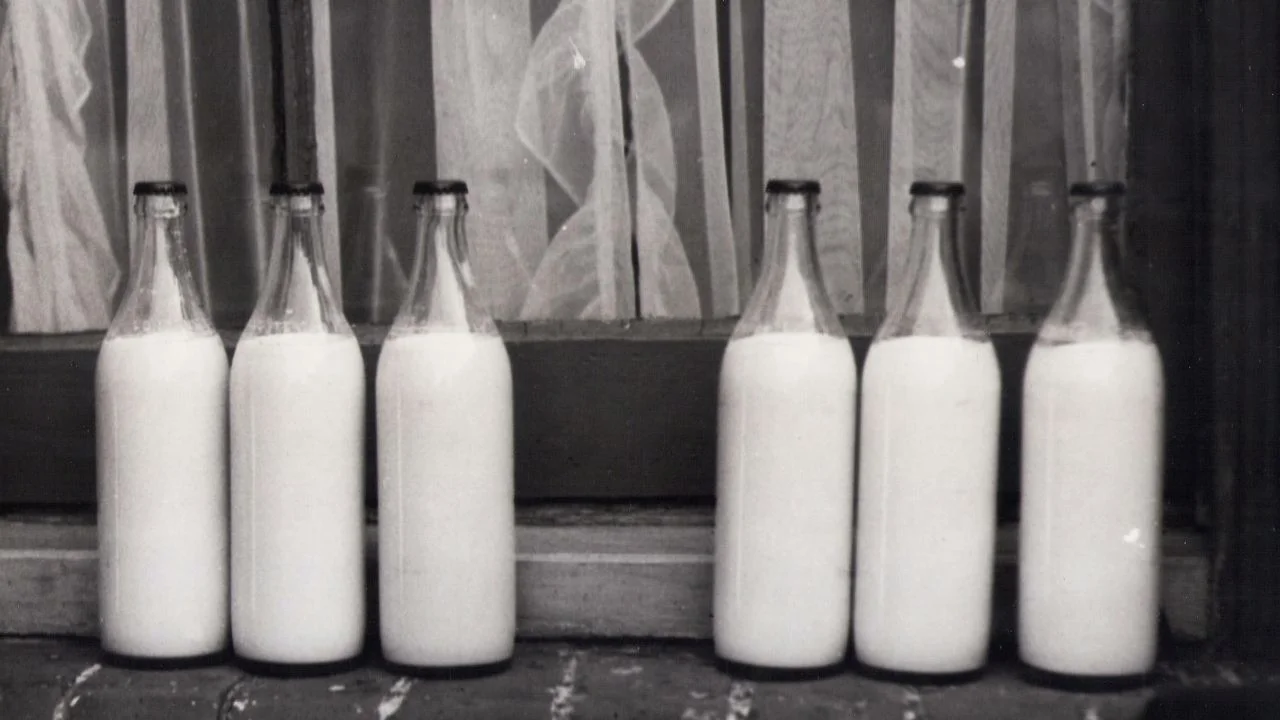
Why past donations can still result in new births
In 2024, Durov said he had stopped actively donating years before. He also said frozen sperm was still available. Both can be true: a sample may be used years after it was provided. A new story about a child or a clinic's offer therefore would not automatically mean he had donated again.
Cryopreservation is the freezing of sperm for later treatment. The British fertility regulator HFEA explains that a sample is typically divided among several containers. That way, it does not all have to be thawed at once, and material from one donation can remain available for different treatments. HFEA information about freezing sperm
Applied to Durov's case, donation visits, treatments and children born represent three distinct numbers. His reported number of children cannot reveal a precise number of samples, and it cannot be used to predict how many children might be born later.
The inheritance promise Durov made in 2025
Le Point published its interview on 18 June 2025. Durov described a will that was intended to give all his children equal treatment. He said they would not gain access to his wealth until 30 years after the interview. Durov's statements on his will
The period was therefore measured from the conversation, not from each child's birth to their 30th birthday. It remains a public announcement. The interview does not provide the entire will or clarify how a claim would eventually be proven and addressed in different countries.
When speaking with Lex Fridman, Durov said the plan depended on people being able to demonstrate their genetic relationship with him. He expressed his wish that they should share in his estate after his death. This is not enough to determine a reliable payment amount for an individual child. Durov on DNA proof and his estate
His reason for waiting is a personal one: he wants the children to become self-reliant. He believes access to wealth too early could reduce their drive to build something themselves. This accounts for his plan; it does not establish a general rule about what is best for children. Durov on wealth and self-reliance
Why there is no fixed inheritance amount to calculate
It may seem natural to divide an estimated fortune in the billions by the number of children. But that approach would be misleading here. In Le Point, Durov explained that reports of his wealth were largely based on a theoretical valuation of Telegram, not money simply available in a bank account. Durov on the value of his wealth
The total number of potential descendants is also unclear, and the will's conditions are unknown. There is no sound way to infer a specific amount for each child. Families could not therefore treat this promise as a dependable financial foundation.
Understanding the IVF offer with his sperm
The story includes a particular clinic's offer. AltraVita, a Moscow clinic, promotes free IVF with Durov's sperm on its website. According to the clinic, he is to pay for the treatments, and places are limited. The page sets a maximum age of 37 and requires medical eligibility after a physician's examination. AltraVita's advertised offer
This website confirms that the clinic is promoting the program. It does not independently establish how many women have received treatment, how many children have resulted or how funding works in an individual case. The offer also does not promise acceptance to everyone interested.
The general success figures shown on the website are not data specifically measuring Durov's program. The page does not substantiate a claim that 100 children have already been born through this offer. The earlier figure about his donations and the later advertised treatment should be understood as separate matters.
Our article about in vitro fertilization explains the treatment process. The striking point in Durov's story is the shift from a previously anonymous donation to an offer that uses his name. The donor's public profile becomes central to a medical choice.
Why sperm donation and IVF are different
Some headlines make it sound as if choosing the donor is the whole process. AltraVita's offer specifically involves IVF treatment, however. Sperm donation provides genetic material, while IVF is a medical procedure in which eggs are fertilized outside the body.
This generally includes hormone stimulation, egg retrieval, fertilization in the laboratory and the transfer of an embryo to the uterus. The exact steps depend on the individual situation. Treatment does not necessarily result in a pregnancy or a birth. HFEA explanation of how IVF works
Readers considering Durov's offer should therefore distinguish the donor's publicly known identity from an individual's medical decision about treatment. Even when someone promises to pay, the physical demands remain, as does the need to weigh personal chances and wishes.
How a donation turned into a celebrity offer
With many donations, people first learn about a donor's health, personal traits or motivation. In this case, a world-famous name comes before those questions. It changes perceptions: a medical possibility becomes a story about success, wealth and the supposed opportunity for an exceptional future.
The Wall Street Journal described the deliberate promotion of this association in December 2025. The reporting covered the clinic's advertising at events and on social media, along with a website featuring Durov's image and Telegram's logo. Wall Street Journal coverage
This is a notable change. What Durov describes as initially helping a friend is now being marketed using his fame. Readers should separate his own motivation from the clinic's commercial message and the interests of any children born later.
Can a donor's intelligence and success be inherited?
For a successful technology entrepreneur, the assumption can be tempting: perhaps his child would have particularly favourable prospects. Science does not support that as a promise. Intelligence is a complex characteristic affected by many genes and by the environment, including education, nutrition and childhood living conditions. MedlinePlus Genetics on intelligence and heredity
A famous person's biography is not a medical quality assessment or a blueprint for a child's personality. Business success also depends on decisions, opportunities and social circumstances that a sperm donation cannot transmit. Children who have the same biological father can develop very differently.
This distinction is especially relevant to Durov because his image accounts for so much of the interest. A child would be genetically connected to him, without being obliged to resemble him, pursue the same work or become exceptionally successful. Keeping those choices open matters more for families than having a famous biological origin.
Why the story received so much attention
Durov's case combines several strong narratives: a prominent technology entrepreneur, a striking number of children, a potential large inheritance and a fertility clinic promoting his name. Any of these could be news in itself. Together, they explain the sustained attention.
A small but revealing addition came towards the end of 2025: Durov posted a sketch of a logo for his donation program on Telegram. He raised the topic again himself and gave it a recognizable public brand. Durov's logo-sketch post
Years later, a child might encounter interviews, headlines and expectations that were created long before the child began exploring their own origins. The distance between the donor directing his public story and the children's privacy is what makes the case particularly significant.
The DNA plan and the search for half-siblings
In his 2024 post, Durov also said he wanted to make his DNA accessible so his biological children could find each other more easily. The sources linked here do not establish whether that has since resulted in useful genetic data or a protected process for contact. Durov's proposed DNA plan
Even a genetic match answers only some questions. It can suggest relatedness, but it does not establish whether contact is wanted or how individual families want to respond. This is still true when the donor himself chooses publicity.
The British regulator HFEA points out that home DNA tests can produce unexpected discoveries through relatives too. It also emphasizes that donor-conceived people can choose whether to learn more about their origins or seek contact. HFEA guidance on DNA testing and biological origins
For Durov, a public proposal involving DNA would not replace protected access to information and voluntary choices by the people affected. More about what is possible and what remains limited appears in our article on home DNA testing and exploring your origins.
The two uses of DNA in this story should also be distinguished. The 2024 proposal is about finding biological relatives. The later statements about inheritance involve proving parentage. A system for contacting half-siblings would not by itself provide an established process for handling an estate.
What having more than 100 biological children could mean between families
If Durov's account is correct, a large group of people would have the same biological father. Some might be curious about each other; others might feel their family story is already clear and not want more contact. Both are understandable. Sharing DNA does not automatically create closeness or the same idea of family.
The mention of twelve countries raises practical issues too. Which languages do people speak? Where is information held, and how could it be kept current over time? A search might involve the donor, half-siblings in other countries and families with very different expectations.
Knowing the donor's identity is therefore not enough on its own. A useful process would verify information, protect privacy and enable contact only with consent. The reviewed sources do not establish whether any such process exists for Durov's donations. That unanswered question affects the children's future daily lives more than many headlines about his wealth.
Questions his statements have not answered
Public fame makes a donor recognizable. It does not provide transparency about the donation process. In Durov's case, important questions remain behind the broad announcements:
- How were the reported births documented, and how recent is the count?
- What were the families told about the donor and any potential half-siblings?
- How could new medical information be passed on to all the families involved later?
- How could children prove their parentage and request information without making themselves publicly identifiable?
These details would be necessary to understand the families' situations. The interviews and offer page provide only some of the answers. The contrast between public visibility and private documentation is central to the case.
What the case offers families to think about
A famous name says little about whether a donation arrangement is sound. If you are considering sperm donation, verifiable records of identity and medical screening, clear family numbers and a reliable way to seek information later matter more than the donor's image.
The child's perspective matters from the beginning too. A child should not have to assemble their story of conception from headlines. The article How do I explain sperm donation to my child? describes how parents can discuss the subject in ways suited to a child's age.
Durov's statements have brought a great deal of attention to sperm donation. What matters most personally to families, though, is reliable information about their origins and the freedom to decide what role the story will play in their lives.
Related reading
More on exploring origins, openness, and family conversations.