In vitro fertilization: IVF steps, timeline, success rates, and costs explained
In vitro fertilization, usually called IVF, is a medically guided fertility treatment with clear steps but many decisions: which protocol to use, timing, transfer strategy, safety management, and budget. This guide explains IVF so you truly understand the process, can plan realistic timeframes, and know what to ask at your fertility clinic in Canada.


What is in vitro fertilization?
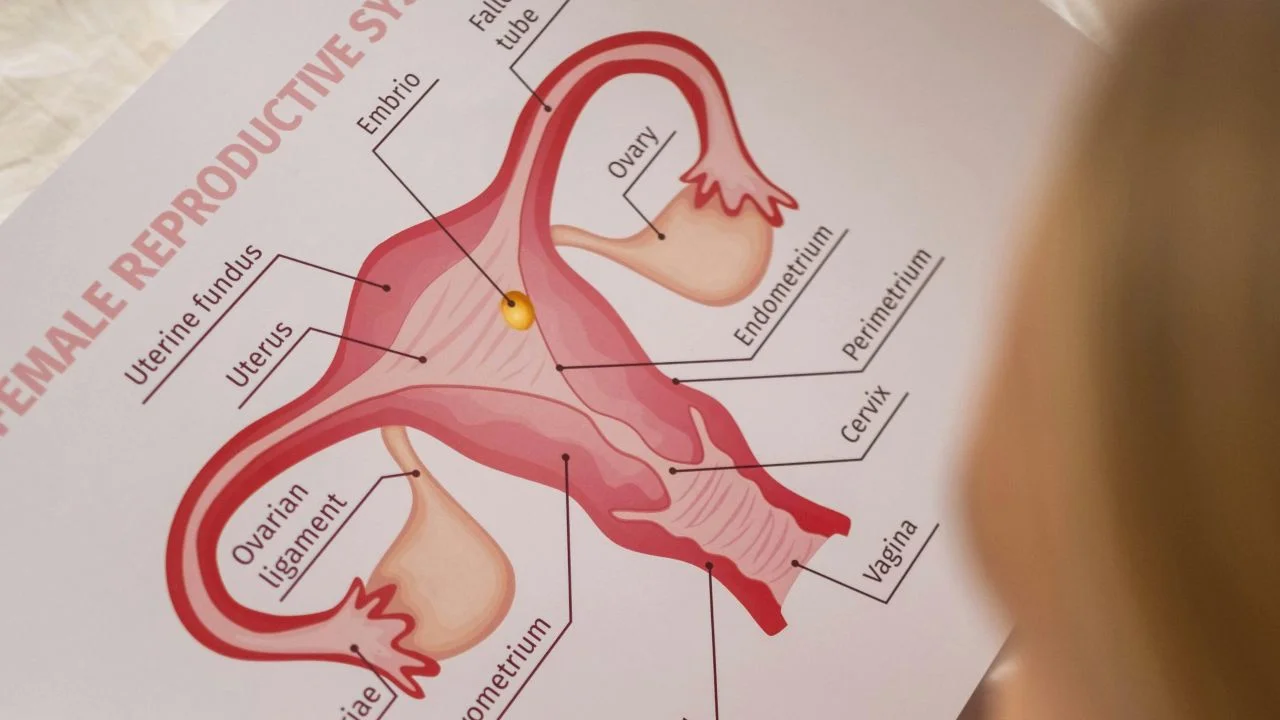
In vitro fertilization, IVF, is a form of assisted reproduction. The name is literal: in vitro means in glass, outside the body under laboratory conditions. With hormonal stimulation, several follicles can mature in the same cycle. Mature eggs are collected through a follicle aspiration procedure, fertilized in the lab, and then an embryo is transferred into the uterus. Any additional suitable embryos can be frozen and used later in a frozen embryo transfer cycle, often called FET.
The process can feel highly technical, but the logic is simple: retrieving more eggs in one cycle increases the chance that at least one embryo develops well, and it often creates additional options for future transfers without repeating egg retrieval.
Who IVF is often a good option for?
IVF is commonly recommended when fertilization in the body is unlikely, or when less invasive treatments have not worked. The best method depends on diagnosis, age, time pressure, ovarian reserve, semen analysis, and your treatment history.
- Tubal factor infertility, when fallopian tubes are blocked or severely damaged.
- Endometriosis, when fertility is significantly affected or when time pressure is high after prior treatment.
- Unexplained infertility, when pregnancy does not occur after well planned stepwise treatment.
- Male factor infertility, depending on findings as conventional IVF or as ICSI.
- Treatment involving donated eggs or sperm, or fertility preservation, when medically indicated and supported by local rules.
A strong fertility clinic does not only recommend IVF or ICSI, it explains alternatives and how the plan will be adjusted if the ovarian response is weaker or stronger than expected.
The medical principle behind IVF
IVF is not one rigid technique, it follows a clear medical principle: the chance of pregnancy increases when multiple eggs are retrieved in a cycle. Instead of allowing only one egg to mature, stimulation encourages several follicles to grow at once, creating more opportunities for fertilization and embryo development in the lab.
What matters is not only the number of eggs, but their biological quality. Markers such as AMH and antral follicle count help estimate likely egg yield and guide individualized dosing. Real world chances of pregnancy and live birth are still driven most by age, embryo development, and your overall clinical situation.
IVF step by step
1 Pre testing and treatment plan
Before starting, your clinic reviews your history and results, such as cycle patterns, ultrasound, hormone testing, semen analysis, medical conditions, and prior fertility treatments. Consent forms, screening, medication planning, and scheduling are then organized so the cycle runs safely and predictably.
- What is the leading diagnosis, and why IVF or ICSI makes sense in your case.
- Which stimulation protocol is planned, and what the goal is.
- How OHSS risk is estimated, and which concrete prevention steps are planned.
- Which transfer strategy is planned, and when the clinic would switch strategies.
- Which costs are fixed, which are optional, and what realistic ranges look like.
2 Stimulation and monitoring
Over several days, medications support the growth of multiple follicles. Ultrasound monitoring, and sometimes bloodwork, guides dosing and timing. This phase drives both safety and planning, because appointments can be frequent and adjustments may happen quickly.
3 Trigger and egg retrieval
When follicles look ready, final maturation is triggered with medication. About 34 to 36 hours later, egg retrieval is performed, usually with sedation. The eggs are collected and immediately processed in the lab.
4 Fertilization in the lab: conventional IVF or ICSI
In conventional IVF, eggs and many sperm are placed together for fertilization. In ICSI, a single sperm is injected directly into an egg. ICSI is mainly used for significant male factor infertility or when there were prior fertilization issues. Without a clear indication, ICSI is not automatically better on average.
5 Embryo culture and transfer strategy
Embryos develop in an incubator. Transfer may happen earlier, often day 2 to 3, or later as a blastocyst transfer around day 5 to 6. The best approach depends on egg numbers, embryo development, prior outcomes, lab practice, and how the clinic plans for frozen cycles.
For embryo transfer practice and the safety logic behind limiting multiple pregnancy risk, the ESHRE guidance is a solid reference: ESHRE.

6 Luteal support and pregnancy test
After transfer, progesterone support is commonly used. The pregnancy test is typically scheduled about 10 to 14 days after transfer. Testing too early often creates stress, because early hormone changes and medications can affect results.
7 Freezing and frozen embryo transfer
If suitable embryos remain, they can be frozen for later use. A frozen embryo transfer is its own cycle with endometrial timing and preparation, either in a natural cycle or with hormonal preparation. For many people, FET feels physically easier than repeating stimulation and retrieval and it can be more predictable for scheduling.
IVF timeline: typical time windows
An IVF cycle is often more predictable than it feels. The exact schedule depends on the protocol and your individual response, but these time windows are common in practice.
- Stimulation often starts around cycle day 2 to 3, sometimes after pre treatment depending on protocol.
- Stimulation usually lasts about 8 to 12 days, sometimes shorter or longer.
- Egg retrieval is about 34 to 36 hours after the trigger.
- Transfer is often 2 to 6 days after retrieval, or later as a frozen transfer.
- Pregnancy test is usually 10 to 14 days after transfer.
For real life planning, it helps to build buffer time for appointment changes, especially during monitoring. This reduces stress and keeps logistics from driving medical decisions.
IVF success rates: how to read the numbers realistically
Success rates are only comparable when you know what is being measured. Some numbers refer to a biochemical pregnancy, others to a clinical pregnancy, and others to live birth. The denominator matters too: per transfer, per retrieval, or per started cycle. For decision making, what matters is which metric your clinic uses and whether it matches your profile.
Age is the strongest driver because egg quality and the chance of chromosomal issues change over time. As a broad frame, outcomes tend to be higher under 35, often decline more noticeably from 35 to 37, more clearly from 38 to 40, and can become more challenging over 40. This is not a personal prediction, but it is a useful reality check for clinic discussions.
Practical questions to ask are: which outcome is reported, which denominator is used, and how the clinic estimates your chances based on diagnosis, response to stimulation, and prior cycles.
Risks and safety: what actually matters
IVF is a medical treatment. Most cycles are uncomplicated, but risks should be actively managed. Good counselling is not optional, it is part of safe care.
- OHSS: less common with modern protocols, but it should be prevented proactively.
- Post retrieval complications: rare bleeding or infection that must be taken seriously.
- Multiple pregnancy: risk increases mainly when more than one embryo is transferred.
- Ectopic pregnancy: uncommon but possible even after IVF.
- Mental load: common, especially after negative tests or repeated cycles.
A strong clinic gives clear warning signs, an emergency contact pathway after retrieval, and a plain language overview of what happens when. If those basics are unclear, it is worth clarifying before the cycle starts.
IVF costs in Canada: realistic ranges in CAD
IVF costs are made of several parts. What matters is not only one total number, but how the base cycle, medications, freezing, storage, and follow up transfers add up. In Canada, coverage varies by province and by insurance plan, and some provinces fund parts of IVF while others do not. Private clinic pricing also varies widely by region and by included services.
- Clinic and lab fees for one IVF cycle: often roughly 10,000 to 18,000 CAD for monitoring, retrieval, lab work, and embryo transfer, depending on what is included.
- Stimulation medications: commonly about 3,000 to 7,000 CAD, depending on dose, duration, and pharmacy pricing.
- Freezing embryos: often about 500 to 1,500 CAD for vitrification and initial lab handling.
- Storage fees: commonly about 300 to 800 CAD per year.
- Frozen embryo transfer cycle: often about 2,000 to 5,000 CAD plus medications, depending on monitoring and lab components.
- Optional add ons: can add hundreds to several thousand CAD depending on what is proposed.
That means one complete attempt including medications often lands around 13,000 to 25,000 CAD, with additional costs for frozen transfers or additional retrieval cycles. If you expect multiple attempts, budget as a total plan rather than a single cycle.
Before starting, ask for a written cost estimate that lists what is included, what is optional, and what happens financially if the plan shifts from fresh transfer to freeze all or to a frozen transfer strategy.
For a global overview of infertility and access to care, the World Health Organization summary is helpful: WHO.
Law and regulation in Canada: what shapes IVF and assisted reproduction
In Canada, assisted reproduction is governed by federal law in key areas, and provincial systems influence access and coverage. The practical result is that documentation, consent, donor material handling, and clinic processes follow a regulated framework, but funding and availability can differ by province.
The federal foundation is the Assisted Human Reproduction Act: Justice Laws Website.
For consent and rules around the use of human reproductive material and embryos in vitro, Canada also has federal regulations, including the Consent for Use of Human Reproductive Material and In Vitro Embryos Regulations: Justice Laws Website.
For donor sperm and ova safety requirements and screening rules, see the Safety of Sperm and Ova Regulations: Justice Laws Website.
If you are planning across provinces or internationally, clarify early what documentation your clinic requires, how storage and transport are handled, and what implications a change of clinic has for records, timelines, and costs. This is not legal advice, it is a practical reminder that regulation and paperwork directly affect day to day planning.
Myths and facts about IVF
- Myth: IVF automatically leads to twins or triplets. Fact: Multiple pregnancy risk is mainly driven by how many embryos are transferred, so transfer decisions are a major safety tool.
- Myth: IVF is always the best or fastest option. Fact: Whether IVF, IUI, or ICSI is right depends on diagnosis, age, time pressure, and treatment history, not a simple ranking.
- Myth: ICSI always improves success rates. Fact: ICSI is most useful for significant male factor infertility or prior fertilization problems, without those reasons it is not automatically superior on average.
- Myth: More eggs always means a high chance of pregnancy. Fact: More eggs can increase options, but live birth outcomes depend strongly on embryo development and age.
- Myth: One failed cycle means it will not work. Fact: IVF is a probability based treatment, one result does not define the overall chance.
- Myth: Add ons clearly raise success rates. Fact: Many extras do not show consistent live birth benefit and should be used only with clear indication and transparent evidence.
- Myth: You must stay in bed after transfer. Fact: Normal daily activities are usually fine unless your clinic gives specific restrictions.
Clinic visit checklist: questions worth asking
- What diagnosis is driving the plan, and what realistic alternatives exist.
- What is our exact timeline, including monitoring appointments.
- How is OHSS risk assessed, and what prevention steps are planned.
- What transfer strategy is planned and why: day 3, blastocyst, fresh, or frozen transfer.
- How many embryos are recommended for transfer in our situation and why.
- Which add ons are proposed, what is the live birth benefit, and what are the costs.
- What will be changed after an unsuccessful cycle.
- What costs are on top of base fees, including medications, freezing, storage, and frozen transfers.
- How do we reach the clinic after retrieval, what warning signs matter, and what is the emergency pathway.
Conclusion
IVF is a standardized assisted reproduction treatment, but the best strategy is individualized. When you understand the steps and timeline, interpret success rates correctly, and clarify costs and safety plans, you can make calmer and usually better decisions. A strong fertility clinic explains the logic, alternatives, safety, documentation, and any proposed extras in plain language and with transparent reasoning.
Keep reading
More on preparing for fertility treatment, its stages, and the time afterwards.