Am I pregnant? How to get clarity: risk, timing, tests, and next steps
If you’re wondering whether you could be pregnant, you do not need a symptom checklist; you need a clear plan. This article gives you exactly that: assess risk, consider emergency contraception, test at the right time, and know red flags.

The quick plan: 3 decisions instead of spiralling
When you feel uncertain, it helps to turn one big question into three small decisions. You don’t need every detail, you just need the next right step.
- Was there a real chance that semen got into the vagina?
- If you want to prevent pregnancy, are you still within the time window for emergency contraception?
- When will a pregnancy test actually be meaningful, so you don’t test too early and panic?
Everything else is secondary. If you answer these three points, you get your footing back fast.
Time windows: what matters today, in a few days, and in 3 weeks
Most confusion happens because people do the right thing at the wrong time. This timeline helps you plan without guesswork.
Today
- If you want to avoid pregnancy: clarify emergency contraception as soon as possible.
- If you’re not sure whether it was a real risk: reconstruct only what you need, then choose one clear next action.
- If you have pain, heavy bleeding, or an injury: get medical care.
Over the next few days
- Symptoms can be misleading here. A test plan beats symptom detective work.
- If you want to roughly place your cycle, read ovulation.
From the day your period is late
- Urine pregnancy tests become much more informative around this point.
- If it’s negative and you tested early, re-testing a few days later often makes more sense than over-interpreting one result.
About 3 weeks after the last risk
- If you don’t know when your period should come, this is a practical marker for a more meaningful test.
What has to happen before a test can turn positive?
Pregnancy doesn’t start the moment sex happens. Several steps have to work: ovulation, fertilization, transport, and then implantation in the uterus.
Only after implantation does the body produce the hormone that pregnancy tests detect. That’s why testing too early is the most common reason for false reassurance or unnecessary panic.
How risky was it really?
Most searches come from a handful of common situations. The goal here isn’t to diagnose you, but to help you assess risk realistically so you don’t miss time windows or spiral.
Common scenarios
- A condom broke or slipped: relevant if semen could have entered the vagina. For a step-by-step plan, see condom broke.
- Sex without a condom: risk depends strongly on cycle timing, especially close to ovulation.
- Pre-cum: often overestimated, but risk can’t be reduced to zero with unprotected contact. More in pre-cum.
- Missed or inconsistent hormonal contraception: it depends on the method, timing, and how many doses were missed.
- Petting, clothes, brief contact without penetration: usually very low risk unless semen gets into the vagina.
If you’re unsure, treat it pragmatically as a real risk. That’s usually better than swinging between worst-case thinking and denial.
Emergency contraception: if you want to prevent pregnancy
If this happened recently and you want to avoid pregnancy, time matters most. Emergency contraception works best when you don’t wait and decide today.
- There are options for up to 3 days and, depending on the method, up to 5 days after unprotected sex.
- Emergency pills mainly work by delaying ovulation, so effectiveness often drops the later you act.
- If you’re unsure what fits your timing, get quick advice from a chemist or a gynaecologist so you don’t end up with the weaker option for your situation.
A good starting point is emergency contraception. Official information is also available at familienplanung.de: Pille danach.
When does a pregnancy test make sense?
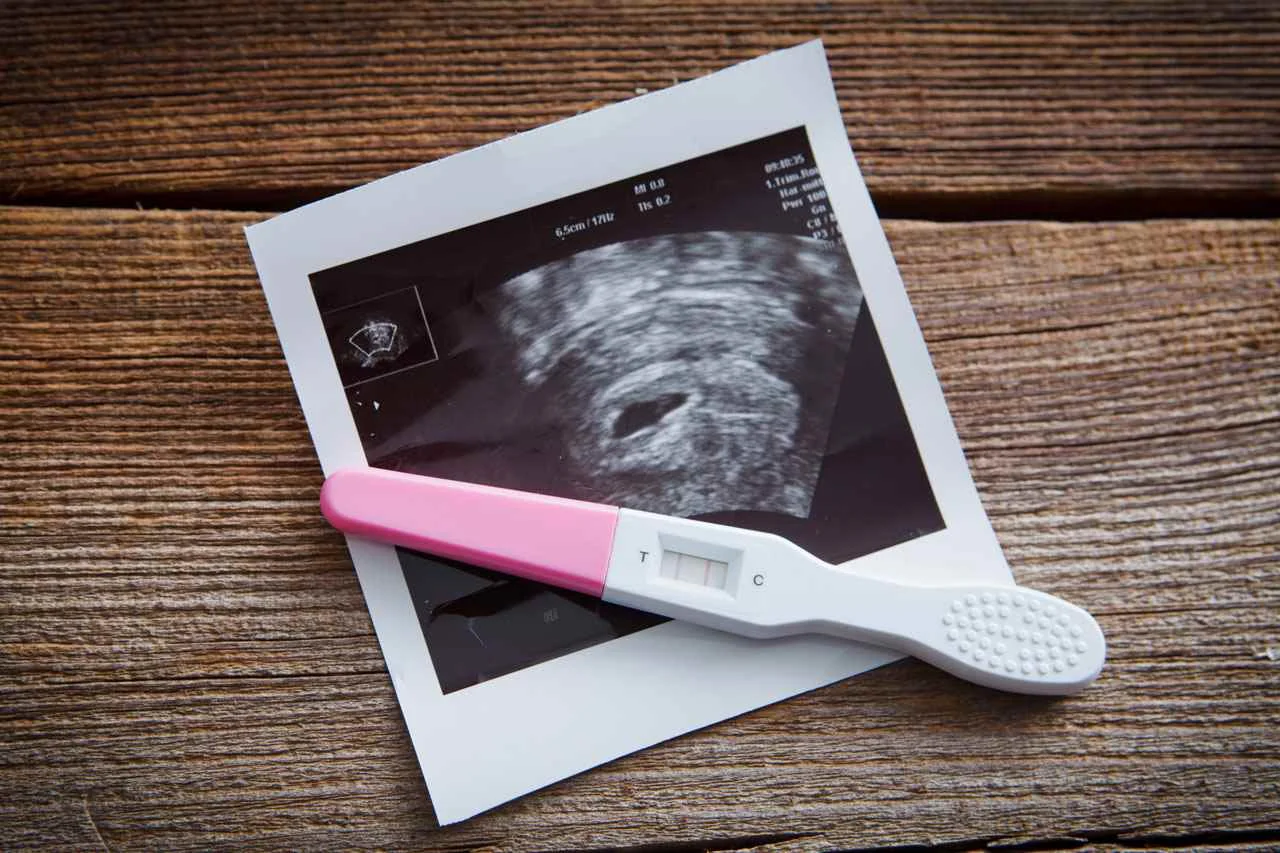
A test makes sense when it can truly give you clarity. As a rough guide, it’s often most reliable from the first day of a missed period or, if you don’t know when your period should be due, often only around 3 weeks after the last unprotected sex.
If you test very early, false negatives are common. That doesn’t necessarily mean all clear, it can simply mean too early.
Practical tips for clearer results
- If you’re testing very early, first morning urine can help because it’s usually more concentrated.
- Follow the instructions exactly and stick to the read time.
- If it’s negative but you tested early, set a calm re-test date instead of testing every day.
- If results are confusing or contradictory, medical follow-up with a blood test and an ultrasound scan can help.
If you want to place timing better, ovulation helps.
For a simple, trustworthy overview of test timing, the NHS is a good entry point: NHS: Doing a pregnancy test.
If the test is positive: what now?
A positive test is clear, but you don’t have to solve your entire life in an hour. What matters now is safety and getting real support.
- Book an appointment with a gynaecologist for confirmation and advice, especially if you have pain or bleeding.
- If you have severe or one-sided pain, dizziness, or fainting, don’t wait. Get urgent medical help.
- If you’re unsure what you want, confidential counselling can help without pressure.
If you don’t know where to start in India, a gynaecology clinic, a hospital, or a trusted doctor can be a good first step.
Symptoms: what’s common, and what proves almost nothing?
Many early symptoms can also be PMS, stress, an infection, poor sleep, or a shifted cycle. That’s why symptoms alone are a weak path to clarity.
- Common but non-specific: tiredness, nausea, breast tenderness, lower abdominal pulling, mood changes.
- Can go either way: spotting or light bleeding, especially if your cycle is irregular.
- Mind effect: when anxiety is high, normal body signals feel loud and meaningful.
If you want certainty, testing at the right time is more reliable than constant symptom checking.
Negative, but your period is still late: what then?
A negative test is only reassuring if you tested at a meaningful time. If you tested early, the most common explanation is simply that it was too soon.
- Set one clear re-test date instead of testing daily.
- If your cycle is irregular, plan from the last risk, not from a feeling.
- If your period stays absent and tests remain negative, medical follow-up is sensible.
Red flags: when you shouldn’t wait
Most situations can be clarified with calm planning. But some symptoms need quick medical evaluation, especially if an ectopic pregnancy is possible.
- Severe or one-sided lower abdominal pain that is new or clearly worsening.
- Shoulder-tip pain, weakness, dizziness, collapse, or fainting.
- Very heavy bleeding, or bleeding together with strong pain.
If you have these signs and pregnancy is possible, seek help urgently. More details are here: ACOG: Ectopic Pregnancy. For a calm overview in the app, see ectopic pregnancy.
If anxiety is the main issue right now
Uncertainty can take over, especially if you feel alone or already stressed. A few small steps often help more than another hour of searching.
- Write down what happened and set a test date so your brain can stop recalculating.
- Reduce symptom checks, because they can amplify anxiety.
- Talk to a calm person who won’t escalate your fear.
Conclusion
The most reliable way to know whether you’re pregnant is a clear sequence: assess risk, consider emergency contraception if needed, test at the right time, and take red flags seriously. That’s how you get clarity without getting stuck in symptoms or catastrophic thoughts.
Keep reading
If you want to turn uncertainty into a concrete plan, these articles help with timing and options after a risk.