Luteal phase deficiency: causes, symptoms and evidence-based treatment
Luteal phase deficiency means progesterone is too low or too short-acting in the second half of the menstrual cycle; it is often discussed as “luteal insufficiency”. In this article, you’ll learn which symptoms are typical, how to test in a sensible way, and which treatments are truly evidence-based depending on the underlying cause.

Definition and basics
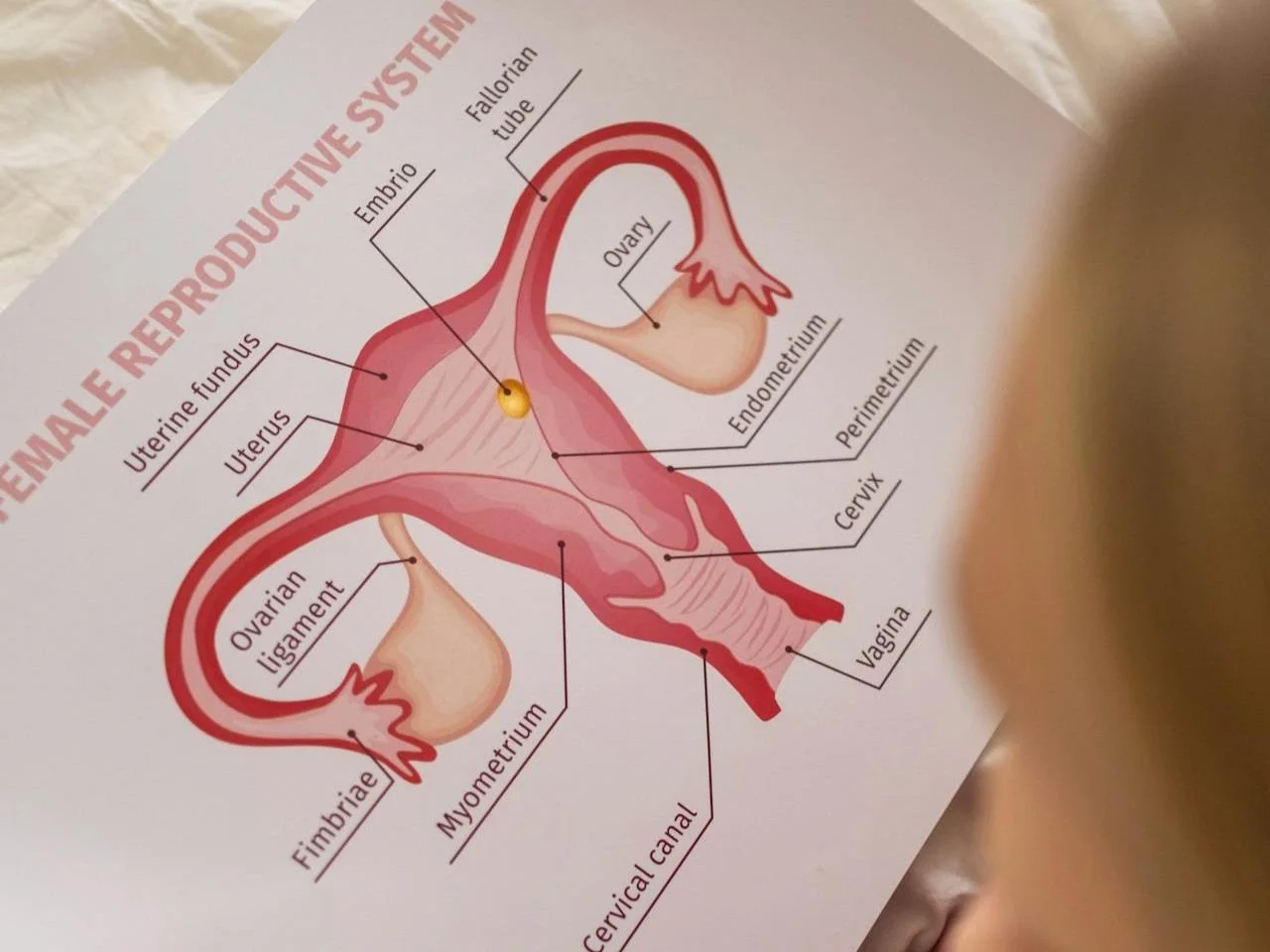
After ovulation, the follicle becomes the corpus luteum. It produces progesterone, which prepares the uterine lining for implantation and supports early pregnancy processes.
The term luteal phase defect is often used for a shortened luteal phase of ≤ 10 days. At the same time, the diagnosis is controversial: in most cases, neither a single progesterone value nor a single cycle is enough to reliably conclude luteal phase deficiency. A practical orientation is a 2021 committee opinion published in Fertility and Sterility: PubMed.
In everyday language, luteal phase deficiency is often used interchangeably with luteal insufficiency. You may also see terms like corpus luteum insufficiency.
Evidence and key figures
- Infertility: estimates are around 1 in 6 people worldwide. PubMed.
- Luteal phase deficiency as an independent cause: progesterone is important for implantation, but luteal phase deficiency has not been proven as an independent cause of infertility or recurrent miscarriage; diagnostics and treatment benefit remain debated. PubMed.
- Luteal support in in vitro fertilisation: in fresh cycles, progesterone is commonly used for luteal support; route and protocol vary by setting. PubMed.
- Progestogens in unexplained recurrent pregnancy loss: a Cochrane review probably found little to no difference in miscarriage and live birth rates; decisions should be individual after counselling. PubMed.
Diagnosis: how to test for luteal phase deficiency
- Start with cycle data: luteal phase length across multiple cycles, bleeding pattern, for example spotting, and ovulation timing.
- Time progesterone correctly: serum progesterone should be measured in the mid-luteal phase based on your own cycle; single values vary and are hard to interpret without context. PubMed.
- Combine tracking methods: record LH tests, cervical mucus and basal body temperature together. Orientation: LH surge and ovulation tests.
- Ultrasound and targeted labs: depending on the clinical question, assess endometrium and corpus luteum on ultrasound and pick targeted labs such as TSH and prolactin, instead of broad panels without a clear reason.
Practical point: avoid a rigid “day-21” approach if your cycle length varies. Repeated, well-timed measurements plus a clearly documented cycle pattern are usually more informative.
Causes and risk factors
- Insufficient follicle maturation or ovulatory disorders, for example with polycystic ovary syndrome
- Thyroid disorders such as underactive thyroid, as well as hyperprolactinaemia
- Endometriosis, chronic inflammation, uterine factors
- Perimenopause or hormonal adjustment after stopping contraception
- Lifestyle factors such as smoking, high alcohol intake, obesity, poor sleep and ongoing stress
If you feel symptoms increase noticeably after stopping hormonal contraception, see also: stopping the pill.
Treatment: what actually helps
Treatment depends on the cause, age, cycle data and associated factors. The goal is not progesterone at any cost, but good timing and a plan that matches your situation.
- Progesterone: in fertility treatment settings such as in vitro fertilisation, luteal support with progestogens is common; outside these settings, the benefit depends on the context and should be weighed clinically. PubMed.
- Ovulation induction: for ovulation/follicle maturation issues, letrozole or clomifene may be considered, always with monitoring and an individual indication.
- Trigger and stimulation protocols: in treatment cycles, trigger strategies can affect the luteal phase; the benefit–risk balance, including the risk of ovarian hyperstimulation syndrome, depends on the protocol.
- Recurrent pregnancy loss context: in unexplained recurrent pregnancy loss, the expected benefit of progestogens is probably small; decide after counselling. PubMed.
Safety: progesterone can cause tiredness, breast tenderness or dizziness. In fertility treatment protocols, side effects and risks should always be discussed with your care team.
Herbal and complementary options
- Chaste tree (Vitex agnus-castus): often used for cycle complaints; evidence for a clear effect on luteal phase deficiency is limited.
- Acupuncture and other approaches: may help subjectively, but do not replace proper diagnostics or evidence-based treatment.
- Homeopathy: no convincing data for an effect on clinically relevant outcomes.
If you want to use complementary methods, clarify interactions and set realistic expectations, especially if you take medication or are in treatment.

Practical tips
- Optimise timing: use LH tests, cervical mucus and basal body temperature together to identify the mid-luteal window more reliably.
- Documentation: keep a clean record of cycles, bleeding, tests and symptoms. It helps clinicians identify patterns rather than over-interpreting single values.
- Lifestyle as the foundation: sleep, stress management, stopping smoking and a stable routine are not miracle cures, but they are often the most effective levers for steadier cycle patterns.
- Be cautious with supplements: “hormone boosters” without a clear indication can create more confusion than benefit.
Comparing common options
Progesterone in different forms
- Goal: luteal support, mainly in fertility treatment cycles
- Evidence: established, but protocol-dependent
- Typical points: form/dose depend on the setting; side effects are usually mild
Letrozole/clomifene
- Goal: ovulation induction
- Evidence: established in ovulatory disorders
- Typical points: monitoring is needed; selection is individual
Trigger and stimulation adjustments
- Goal: control timing and luteal phase
- Evidence: context-dependent
- Typical points: consider risks such as ovarian hyperstimulation syndrome depending on the protocol
Progestogens in recurrent pregnancy loss
- Goal: miscarriage prevention
- Evidence: probably little to no effect
- Typical points: only consider after counselling
Preparing for an appointment: a practical checklist
If you want to have possible luteal phase deficiency assessed, a well-prepared appointment often helps more than additional isolated lab results. With these details, your general practitioner or gynaecologist can more quickly judge whether timing, ovulation, or another factor is the priority.
What you can bring
- A cycle overview of the last few months: cycle length, bleeding days, spotting
- Ovulation evidence: LH tests, cervical mucus and basal temperature, plus when you tested positive
- If available: lab results with date and cycle day, and ultrasound reports
- Medication and supplements you take, or recently stopped
- Relevant medical history and symptoms: thyroid, polycystic ovary syndrome, endometriosis, severe pain
Good questions to ask
- How do we determine the right timing in my cycle for progesterone and other labs?
- Which tests are truly useful in my case, and which are unlikely to add value?
- When would treatment make sense, and what is the goal: improving ovulation, stabilising the luteal phase, or something else?
Myths and facts
- Myth: one progesterone value proves luteal phase deficiency. Fact: progesterone fluctuates; timing and cycle context matter. PubMed.
- Myth: if it’s not working, luteal phase deficiency must be the reason. Fact: luteal phase deficiency has not been proven as an independent cause of infertility or recurrent pregnancy loss; diagnostics remain debated. PubMed.
- Myth: progesterone always helps. Fact: luteal support is established in many fertility treatment settings, but outside those settings the benefit is not guaranteed and depends strongly on the context. PubMed.
- Myth: progestogens solve unexplained recurrent pregnancy loss. Fact: the Cochrane review probably showed little to no effect on key outcomes. PubMed.
- Myth: more tests automatically mean a better diagnosis. Fact: targeted tests guided by a clear clinical question are usually more helpful than broad panels.
- Myth: herbal remedies replace guideline-based treatment. Fact: complementary approaches may help subjectively, but should not replace diagnostics or evidence-based care.
- Myth: every short luteal phase is pathological. Fact: cycle variation happens; the pattern across multiple cycles and the clinical context are what matter. PubMed.
- Myth: only the dose matters. Fact: timing, route and indication are often more important than a higher dose.
- Myth: stress has no impact. Fact: ongoing stress can affect sleep, behaviour and hormonal axes and destabilise cycle patterns.
Conclusion
Luteal phase deficiency is rarely a simple lab number. It’s about cycle length, timing and clinical context. If you identify ovulation reliably, document multiple cycles carefully, and tailor assessment and treatment to the underlying cause, you get the best basis for clear decisions without unnecessary over-testing.
Keep reading
Here are in-depth articles on ovulation tests, ovulation, implantation and miscarriage.