How do I explain to my child they were conceived through sperm donation?
Sperm donation means using sperm from a donor to make a pregnancy possible. If you're in the UK, this guide gives you a simple way to start, age-by-age wording, and answers to common questions about the donor, origins, and privacy.

Explaining sperm donation is about safety, not a perfect conversation
Many parents wait because they worry about saying the wrong thing. A more helpful goal is simple: your child should feel that questions are welcome and that the answer will not vanish.
If sperm donation does not sound like a dramatic reveal, but like an ordinary part of your family story, the pressure drops. You do not have to explain everything in one go. What matters is staying open and available.
Your start: the 30-second version
If you are not sure how to begin, start as short as possible. You can add more later, but first you need a sentence that feels right in your home.
- We really wanted a baby.
- To make that happen, we needed help.
- A donor gave sperm so you could be conceived.
- We are your parents, and we love you.
Then pause. Ask: do you want to know more, or is that enough for now? Some children switch topics straight away. That is normal. Try not to take it as rejection.
If your child asks follow-up questions, two short sentences help: you can ask anything, and we will stay honest. We will tell you what we know, and also what we do not know.
Before you start: your family words
Children hang on to words. If parents use different terms each time, it can feel uncertain. Choose a few clear words you can repeat.
- Donor: the person who provided sperm.
- Parents: the people who raise you and take responsibility.
- Origins: information about the donor and your conception story.
If a word makes you feel especially uneasy, that is a sign to sort it out for yourself first, then bring it to your child. Support or counselling can help with language and boundaries without anything being wrong with your family.
What to avoid: three traps that damage trust?
You do not have to do everything perfectly. But a few patterns often make this harder because they sound like avoidance.
- Waiting too long: the more it feels like a secret, the bigger the trust shock can be later.
- Half-truths: children notice when something does not add up, even without the details.
- Using it in arguments: if adults bring it up during conflict, a child can feel responsible.
Age stages: simple sentences you can build on
You do not need a speech. You need sentences that are true and repeatable.
- Ages 0 to 3: You are our wished-for child. We are so glad you are here.
- Ages 4 to 6: For you to be conceived, we needed help. A donor provided sperm.
- Ages 7 to 10: A baby needs an egg and sperm. The sperm came from a donor. We are your parents.
- Ages 11 to 14: You can ask anything. We will explain what we know, and we will also say when we do not know something.
- Ages 15 and up: If you want to learn more about your origins, we will do it together, at your pace.
Metaphors can help, but they should not replace the truth. If you use a metaphor early on, connect it later to the real words.
Mini dialogues: what it sounds like in everyday life
These examples are short on purpose. It is usually less one big talk and more a tone you come back to.
- Child: How did I get in your tummy? You: We really wanted a baby. To make it happen, we needed help from a donor.
- Child: Who is the donor? You: A person who provided sperm. We can look at what we know about them together.
- Child: Do I have to tell people? You: No. You decide what you share. If you want, we can practise a sentence for it.
The most common question: is the donor my dad?
For many children it feels like either dad or not dad. You can separate it calmly: the donor helped you be conceived. Parents are the people who are there, take responsibility, and raise you day to day.
If your child asks about resemblance, you can acknowledge it: genes can play a role. And at the same time, you are much more than appearance. Personality, values and attachment grow in your life, not in a file.
Questions that might come up, and answers that do not dodge
You do not have to know everything immediately. But you can show that you will not shut down.
- Why did you do it? Because we wanted you very much, and this was our way.
- Who is the donor? Someone who helped. We can show you what we know about them.
- Can I learn more? We can look at what information exists and what you want to do with it.
- Is it secret? No. But you get a say in who knows what.
Privacy in everyday life: who needs to know what
Your child has a right to the truth and a right to privacy. You can practise that without making it a taboo.
- For adults around you: our family used sperm donation. Details are private.
- For friends: this is my story. I will share what I want.
- For unpleasant comments: that is private. Please stop.
If you feel unsure, agree on one rule as parents: do not share donor details in moments when you are angry, hurt or defending yourselves.
If it comes out unexpectedly: stay calm and repair
Sometimes a child hears something from relatives, in a row, or by accident. Then it is less about perfect explanations and more about relationship.
- First, lower the temperature: I am sorry you learned it that way.
- Then confirm the truth: yes, sperm donation was part of it. We will talk about it and we will stay with you.
- Then give control back: what is your question right now?
In these moments, avoid long speeches and do not defend yourself. Under stress, children often only hear: this is shameful or I caused it. You can counter that clearly: you are not the problem. You are loved.
How it becomes normal: small moments instead of a big setup?
This gets easier when it does not only show up in high-stress moments. You can bring it up casually, without making it a big event.
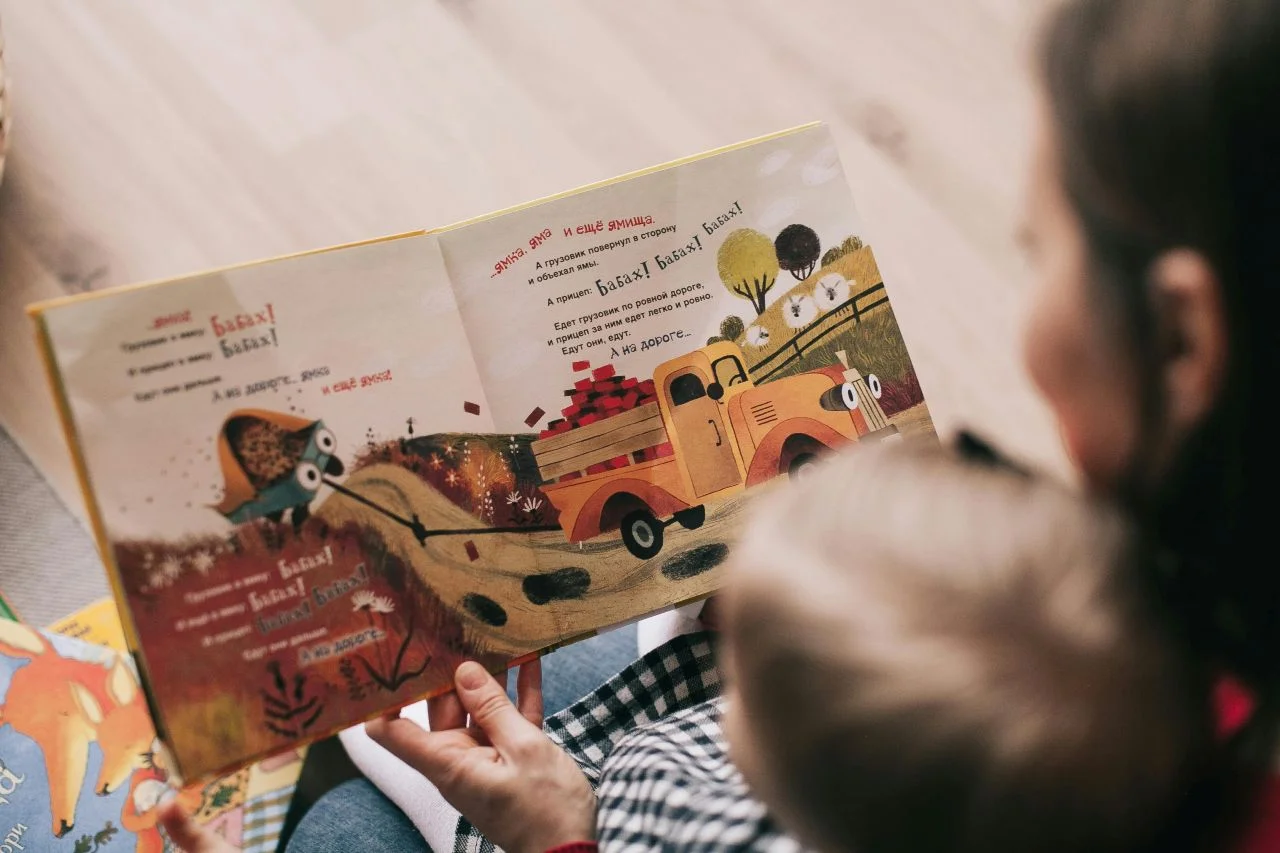
- At story time: families can look different. In our family, sperm donation was part of it.
- When talking about bodies and babies: it takes an egg and sperm. For you, the sperm came from a donor.
- On meaningful days: we wanted you so much. We are glad you are here.
That way your child learns: I can ask questions, and I do not have to understand everything immediately.
Documents and memories: organise now, thank yourself later
Even if you do not know what questions will come later, good organisation reduces stress. A small, well-kept folder helps more than ten perfect conversations.
- Everything you have about the donation: documents, codes, notes.
- Your family version in simple sentences, so you do not have to start again later.
- One or two items that show your anticipation: a photo, a card, a book.
If sperm donation was arranged privately, clean documentation matters even more.
For questions many parents run into later, questions to ask a sperm donor is a good next step.
If parents feel differently: build one shared line
Sometimes one parent is ready to talk openly, and the other feels fear or shame, or worries about losing control. A very concrete compromise helps.
- What you can agree on immediately: the truth will not be denied.
- What you practise together: one short starter sentence and one sentence for follow-up questions.
- What you keep private: details your child does not need now, or that overwhelm you.
If you get stuck, that is not failure. This topic carries weight. A neutral counsellor can help you sort language and boundaries so you do not block each other.
Conclusion
Explaining does not mean telling everything at once. If you start early, choose clear words and stay in the conversation, you give your child safety. Often the most important sentence is the one you can repeat: you can ask, and we will stay here.
Keep reading
More on exploring origins, openness and conversations within the family.