Sperm cramps: How an internet meme becomes a health question
The phrase sperm cramps features in an internet meme about supposed male period cramps. The English expression has been documented since 2022 and now also appears in serious-sounding health articles. It is not a recognized diagnosis. The phenomenon shows how easily jokes, uncertainty, and health information can blur together.

The key points
- The sperm cramps meme has been documented since 2022 and plays on supposed male period cramps.
- The term sperm cramps does not name a distinct, medically recognized condition.
- Some health articles use the term for other symptoms. That does not establish the meme as a real condition.
- There is no evidence that AI originated the term; a convincing AI answer is not medical evidence.
- Real pain deserves attention. Sudden, severe testicular pain needs immediate medical evaluation.
What does the sperm cramps meme mean?
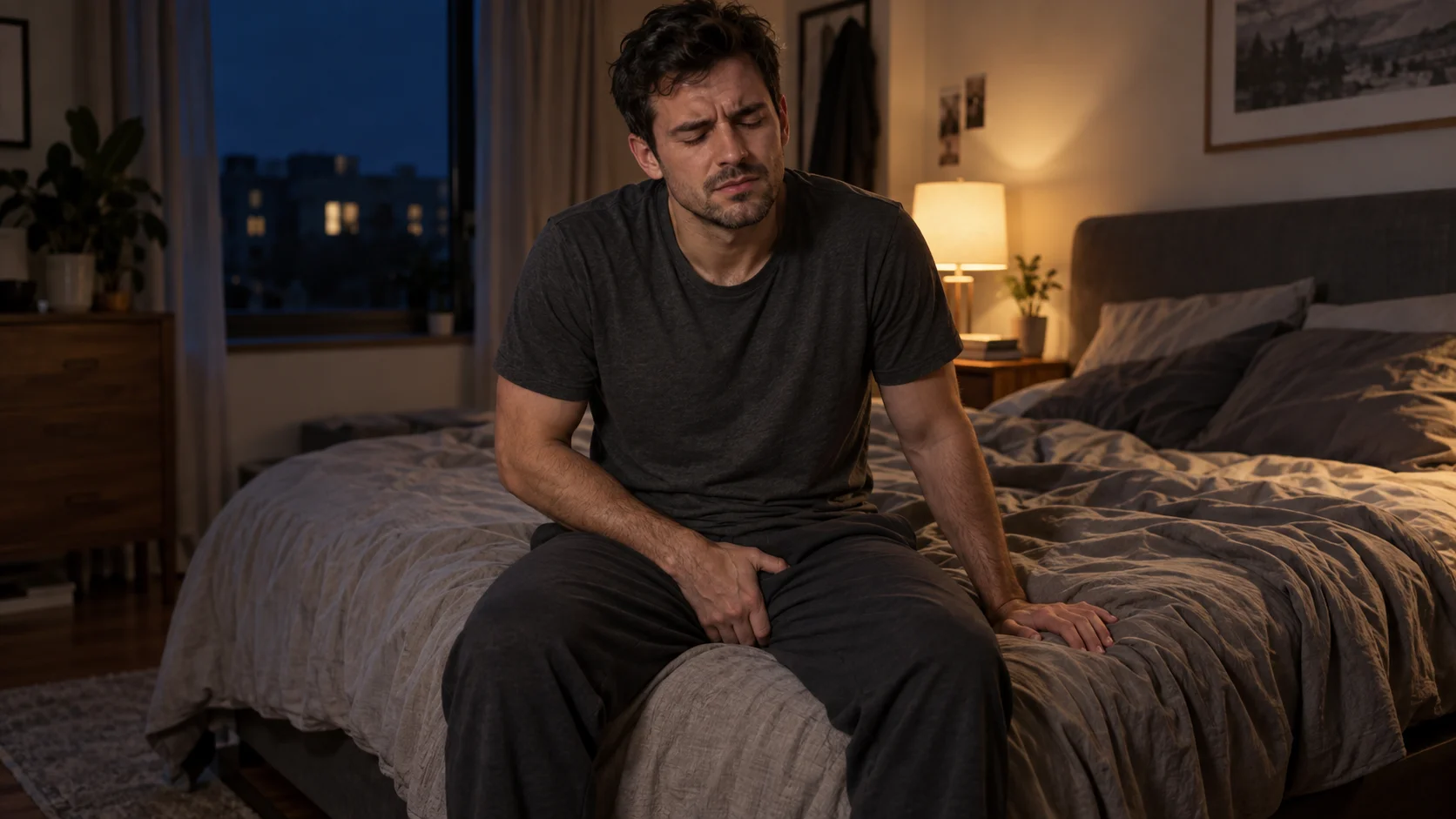
The meme presents sperm cramps as a supposed counterpart to menstrual cramps. Typical clips feature exaggerated, acted-out pain: men hold their stomach or groin and pretend to have a similarly recurring problem. The performance of seriousness is part of the joke.
Confusion arises when a post appears without its meme context. The punch line can then turn into a real question: does this actually exist? This is where entertainment and health information get mixed up.
What the evidence shows about its spread
The meme archive Know Your Meme identifies a TikTok video from October 4, 2022, as an early example. Its caption read “We have cramps also.” Other posts picked up the idea and compared the supposed symptoms with period pain.
A contemporary Berita DIY article from December 2, 2022, was already discussing the same clip as a TikTok trend. This shows that the term had spread beyond the original posts by then. It does not, however, definitively establish who first used the expression.
How the joke becomes a health question
The shift is particularly clear in the Berita DIY article. It starts with the meme about men, then explains the expression through cramps after ejaculation into the vagina. However, the Healthline page it cites discusses symptoms in the receiving person. The article therefore switches between different bodies and situations.
Another example is a Doctronic health article. It describes the term as informal but then uses it for pain after ejaculation and possible urological causes, among other things. Pages like this show how the expression continues to be used as an umbrella term. They do not establish a single condition with that name.
The term also appears on other health portals and clinic websites. Apollo 24|7 labels its sperm cramps guide as written and reviewed by doctors. The German-language estethica clinic page first explains that the term is not used medically, then includes sections on symptoms, causes, and relief. You can therefore encounter the expression on medical providers' websites, too.
This presentation can strengthen the impression of an established medical term: a headline, list of causes, and treatment advice look like an ordinary health guide. What matters is which symptoms are actually being described and what evidence supports the claims. Several pages using the same expression do not make it a distinct diagnosis.
What role do AI and search results play?
AI can amplify this confusion by taking an unclear expression and turning it into a fluent explanation. The general risk is well documented: NIST identifies confidently presented false statements as a problem with generative AI. Even seemingly appropriate reasoning or source citations can be wrong.
For sperm cramps, this is a possible way of amplifying the confusion, not an established origin. The pages found do not show how many articles were actually created with AI or how much they contributed to the term's reach. A high position in search results does not demonstrate medical recognition either.
In practice, open the source and check what it is really discussing. Does it support the claimed term, or does it describe a different symptom that merely sounds similar?
How to make sense of this internet phenomenon
If you come across the term, three questions can help:
- Is this a joke with acted-out symptoms or a report of someone's actual experience?
- Does the text stay with the same situation, or does it jump between period pain, testicular pressure, and pain during ejaculation?
- Does the linked source actually address the claim, or just a similar expression?
These questions let you understand a meme as a meme while still examining a medical claim critically. Not every post is deliberately misleading. But once a post explains a condition or recommends treatment, accuracy matters.
A brief medical distinction
The meme's name is not very useful for actual symptoms. Medically, it makes more sense to distinguish these situations:
- Pain during or after ejaculation
- Painful ejaculation is a documented symptom with several possible causes. Cleveland Clinic explains its medical context. Have recurring or significant symptoms evaluated.
- Pressure after prolonged arousal without orgasm
- This is often called blue balls. It generally refers to temporary discomfort; severe or persistent pain should not be dismissed with that label. A urological explanation helps clarify the distinction.
- Sudden, severe testicular pain
- This can be an emergency, such as testicular torsion. Go to an emergency department immediately, especially if you also have nausea or vomiting. The UK's NHS also lists testicular pain that continues at rest as an urgent warning sign.
For symptoms beyond the meme, our article on pain after sex offers more guidance. Questions about whether an internet term is medically correct should not stop you from getting real pain evaluated.
Conclusion
The sperm cramps phenomenon can be traced online: a meme about supposed male period cramps reappears in different health explanations. The expression's spread is documented; a distinct medical condition with that name is not. It makes sense to understand the joke, read sources carefully, and describe real symptoms clearly.
Further reading
These articles explain real symptoms that get mixed up with the meme online.