Intracervical insemination (ICI) – What to expect and how it differs from IVI and IUI
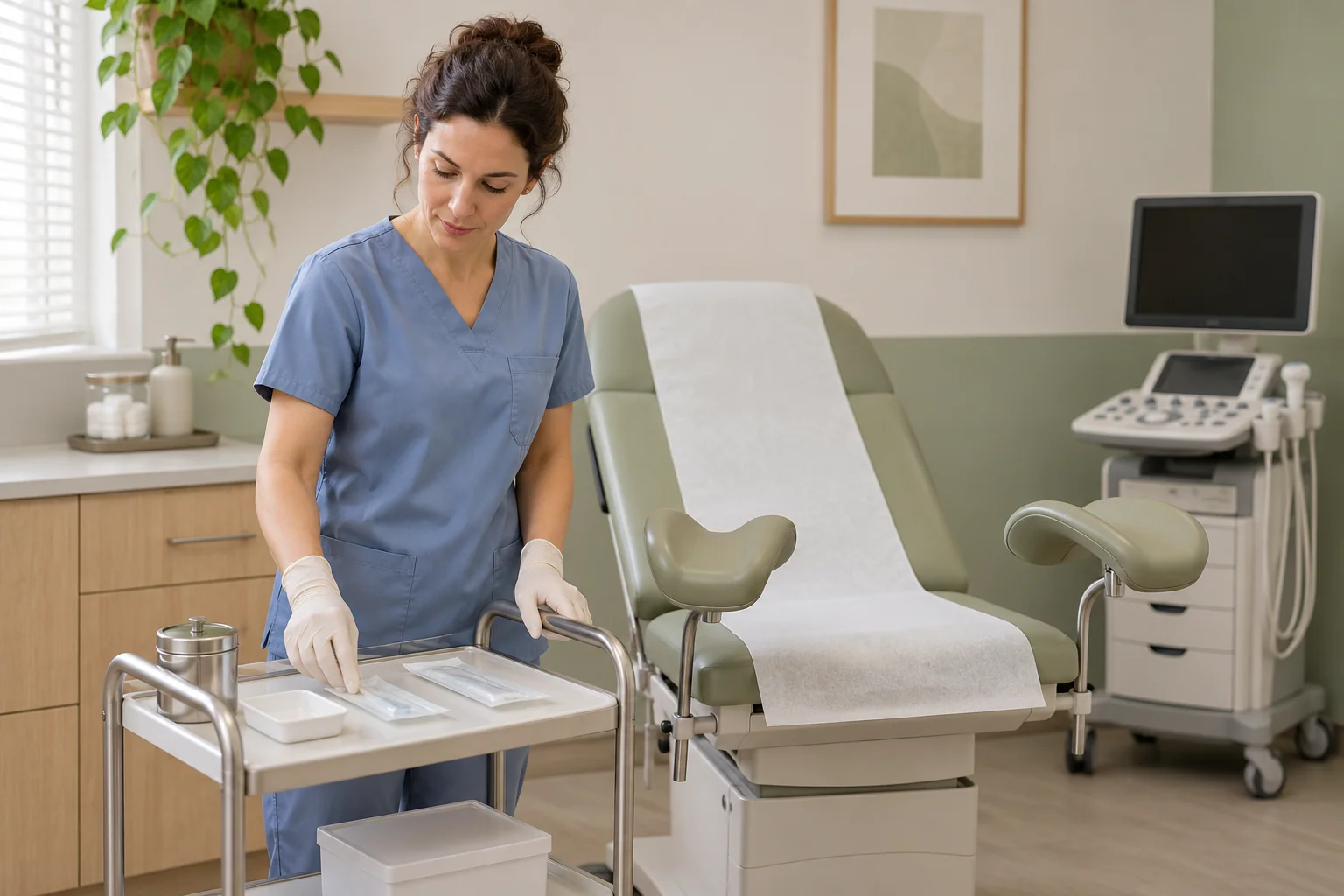
In intracervical insemination (ICI), prepared sperm are placed in the cervix, according to the medical definition. The at-home cup-and-syringe method places semen in the vagina, while IUI places prepared sperm in the uterus. If you're considering ICI with donor sperm, look at how the clinic performs it, how it compares with IUI, and what records are kept about the donation.

At a glance
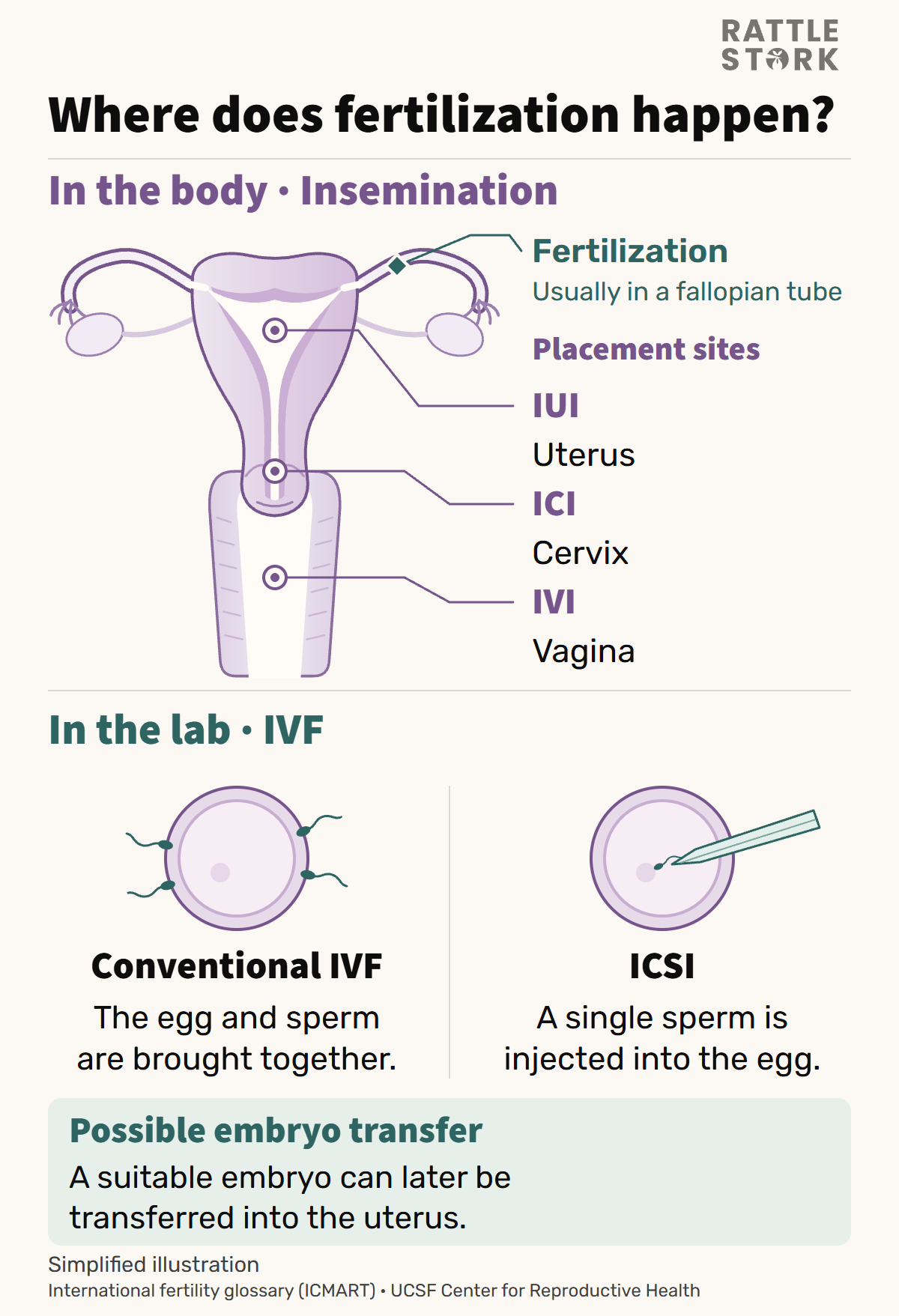
- In intracervical insemination (ICI), prepared sperm are placed in the cervix. With the cup-and-syringe method (IVI), the semen sample is placed in the vagina.
- With IUI, the fertility clinic places prepared sperm directly in the uterus. With all three methods, fertilization can take place in a fallopian tube.
- In a randomized study using thawed donor sperm without ovarian stimulation, more participants achieved a live birth with IUI than with ICI.
- Before the first attempt, ask what testing you need, how the clinic will time the appointment around ovulation, and when you'll review the plan.
What is intracervical insemination?
The cervix is the lower part of the uterus that connects it to the vagina. In intracervical insemination, sperm prepared in a lab are placed in the cervix, according to the international fertility glossary. The sperm then need to travel through the uterus to a fallopian tube, where one may fertilize the egg.
Descriptions of at-home kits sometimes use ICI more broadly. What matters is where the sample is actually placed. Placement in the vagina, even right beside the opening of the cervix, is intravaginal insemination (IVI). That opening faces into the vagina. The distinction determines which studies and treatment experiences you can reasonably compare.
- IVI · Intravaginal insemination (cup-and-syringe method)
- The sample is placed in the vagina. The sperm must travel through the cervix on their own.
- ICI
- Prepared sperm are placed in the cervix. They must travel the rest of the way to a fallopian tube on their own.
- IUI
- Prepared sperm are placed directly in the uterus, bypassing the cervix.
- Conventional IVF and ICSI
- With conventional IVF, the lab brings eggs and sperm together. With ICSI, it injects a single sperm into an egg. A later embryo transfer is a separate step.
When might ICI be an option?
ICI has been used in treatment with donor sperm. Single women, couples with two women, and couples dealing with the absence of sperm production are among those who may seek this type of consultation. The method a clinic offers depends on its practice and your medical circumstances. If you plan to use thawed donor sperm, it is worth comparing ICI directly with IUI before deciding.
Fertilization inside the body requires ovulation, a usable fallopian tube, and sperm capable of fertilizing an egg. If you have irregular bleeding, the clinic checks whether and when you ovulate. A previous ectopic pregnancy, inflammation, surgery, or signs of endometriosis can make the findings about your tubes especially important. If both tubes are blocked, IUI does not bypass the problem. IVF may be an option in that case. The tests that make sense before treatment depend on your history. ASRM on fertility evaluation
If sex around ovulation is difficult or painful, you can ask about insemination options. That situation differs from a diagnosed fallopian tube problem or a severely abnormal semen analysis. Checking both the tubes and the semen can help you avoid spending several cycles on a method whose requirements you don't meet.
How ICI works at a fertility clinic
- Before the first cycle. You'll discuss your cycle, age, any earlier pregnancies or treatments, and where the sample will come from. The clinic checks whether you need testing for ovulation or to see if your fallopian tubes are open. When donor sperm is involved, there is also infection screening, consent, and documentation. Ask who arranges the sample and when it needs to arrive at the clinic.
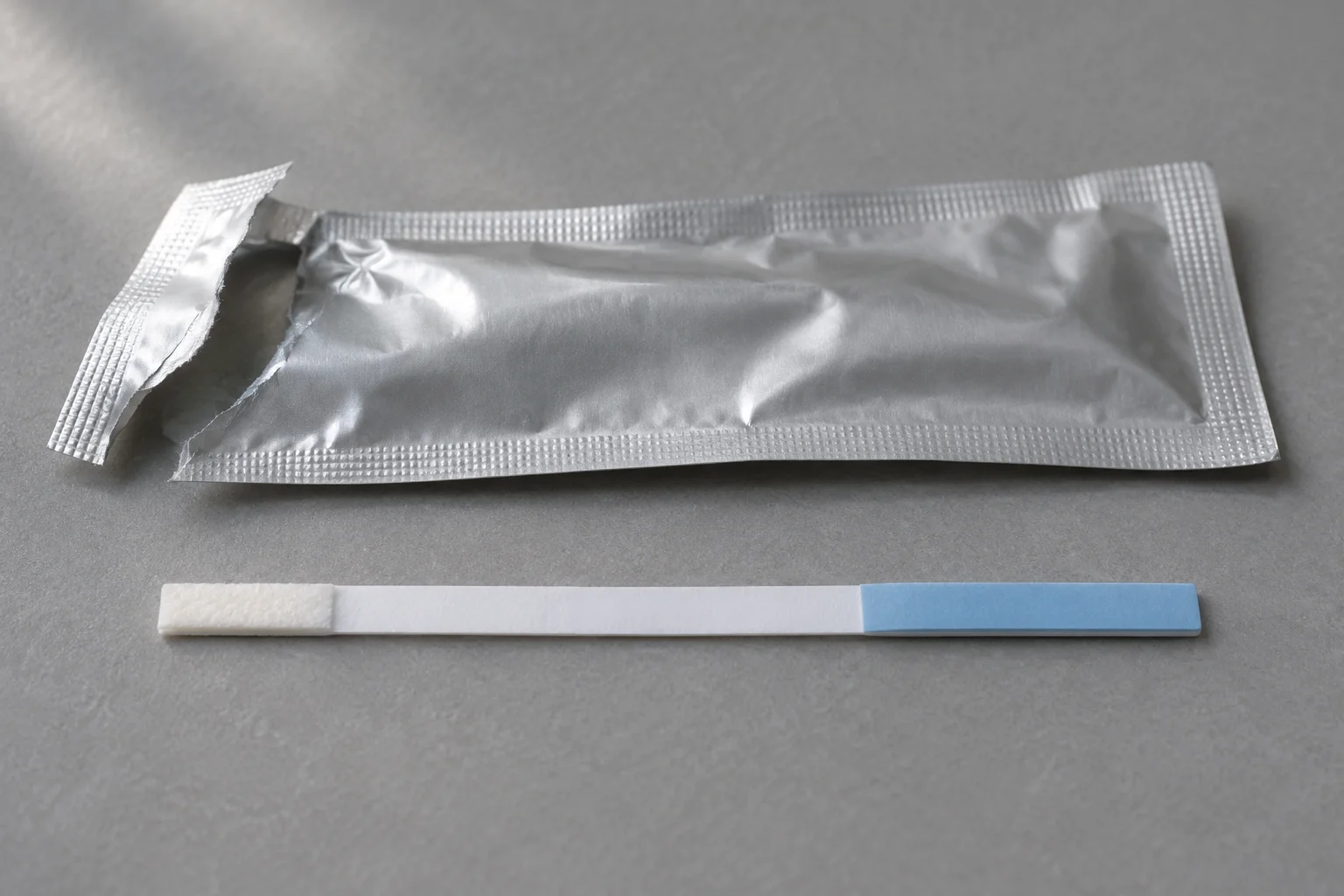
- Schedule the appointment around ovulation. In a natural cycle, the clinic may use an LH surge, ultrasound, or both, depending on its protocol. A test for luteinizing hormone (LH) detects the surge before ovulation. On its own, it doesn't confirm that ovulation has taken place. If the clinic uses medication to trigger ovulation, it sets the appointment time. Ask in advance who to contact if your LH surge comes early or occurs over the weekend. Cycle timing in the study by Kop and colleagues
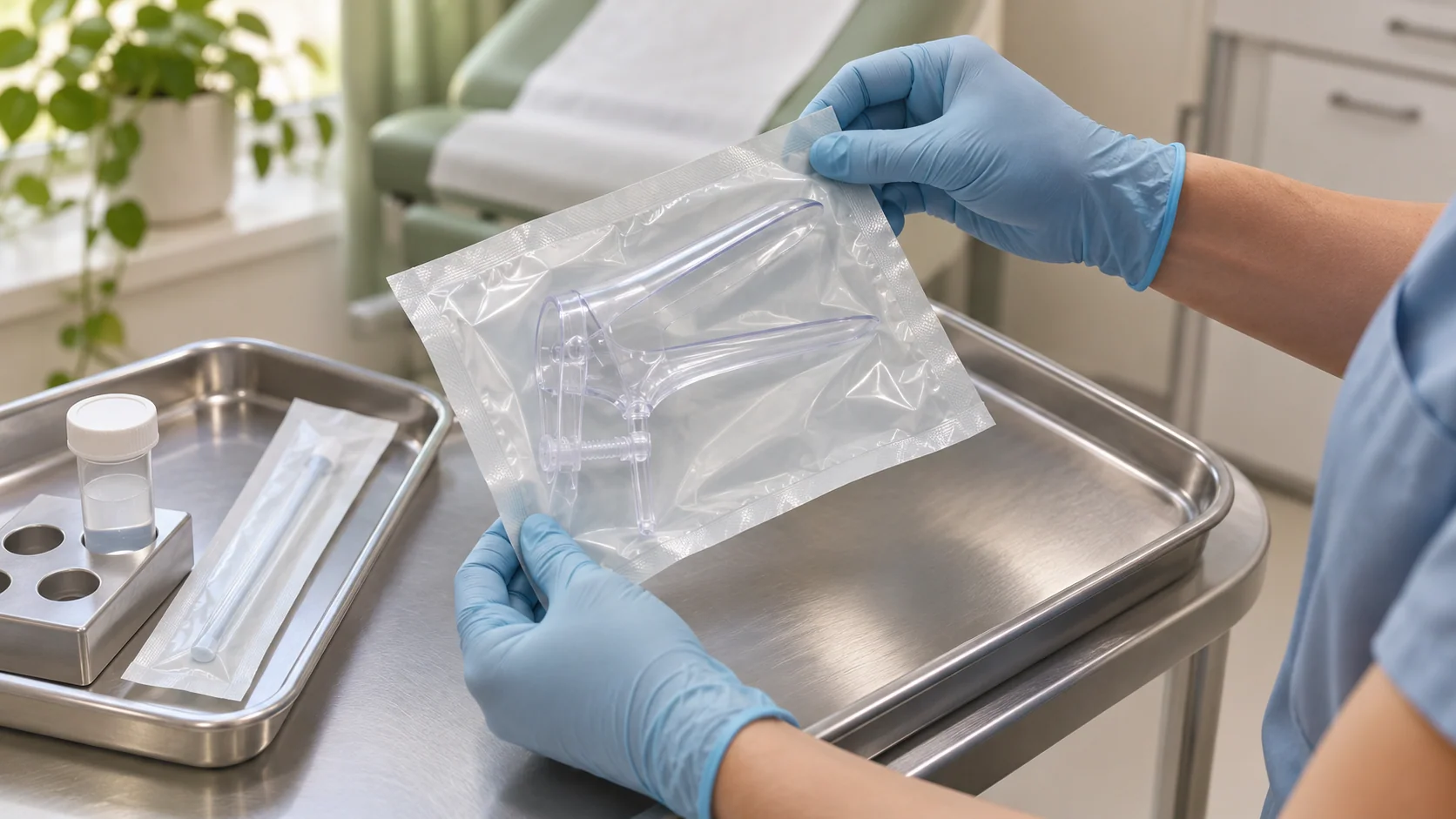
- The sample and the insemination. The clinic checks that the sample is matched to your cycle and arranges its preparation. Frozen donor sperm needs to be thawed under controlled conditions. Ask what the team records about the sample and what happens if the results after thawing are less favorable than expected. A healthcare professional performs the insemination at the cervix. At-home kits with similar names do not provide the same treatment.
- After the appointment. Confirm when to test and what symptoms should prompt a call to the clinic. A test taken too soon can be negative even if a pregnancy is developing. If the clinic used hCG as an ovulation trigger, an early test can also pick up the medication. Get prompt medical care if you have a fever, significant or persistent pain, or heavy bleeding. Keep a record of your treatment date, cycle information, and test result for your next appointment.
Why preparation and timing matter with ICI
Insemination is just one appointment in a cycle that can shift. Ask when to call on the first day of your cycle, which finding determines the appointment date, and what happens if the LH surge starts earlier than expected. If your cycles are irregular, the clinic can help you plan more closely. In the study comparing ICI and IUI, appointments were timed by an LH surge or by ultrasound and an ovulation trigger, depending on the clinic. Your own schedule needs to fit the way your clinic monitors your cycle. Cycle timing in the study by Kop and colleagues
The second part of preparation is getting the sample ready. If you're using a donor, find out who provides, ships, and prepares the sample, how the clinic verifies it's using the right one, and whether a rescheduled appointment will cost more. The clinic decides which equipment to use. At home, the cup-and-syringe method stays within the vagina. Hygiene and a record of how the sample was handled can help identify preventable problems. You still need a method that is medically suitable and infection screening when using donor sperm.
Success rates for ICI and IUI with donor sperm
A 2022 randomized study compared ICI and IUI with frozen donor sperm in natural cycles. Over an eight-month treatment period with up to six attempts, 51 of 209 participants in the ICI group became pregnant and went on to have a live birth. That's 24%. In the IUI group, 81 of 207 did so, or 39%. Randomized study by Kop and colleagues
For the procedure the study called ICI, clinics used thawed, unprocessed donor semen. For IUI, they prepared the sample. The study therefore compared two full treatment protocols that differed both in where the sample was placed and how it was processed.
The percentages are based on participants over the entire treatment period. The study tells you more than a comparison of positive tests alone, but it doesn't give a success rate per attempt. It did not study the cup-and-syringe method, fresh sperm from a partner, or stimulated cycles. An earlier 2018 Cochrane review drew less certain conclusions from smaller studies available at the time. The later randomized study applies more directly to treatment with thawed donor sperm in a natural cycle.
Ask your clinic what to expect given your age group, your cycle and fallopian tube findings, and the sample being used. If the clinic gives you a percentage, ask what time period and denominator it uses and whether it counts pregnancies or live births.
Risks and safety
Cervical insemination can cause irritation, brief cramping, or light spotting. Infection prevention involves more than clean equipment. With donor sperm, the source, screening, and ability to trace the sample are distinct safety considerations. If you're using a private donor, discuss medical evaluation and health documentation early. With the cup-and-syringe method, the sample stays in the vagina. Do not try to insert instruments into your cervix or uterus yourself.
The risk of a multiple pregnancy rises mainly when ovarian stimulation causes several follicles to mature at once. If you're considering stimulation, ask how the clinic monitors you with ultrasound and when it would cancel a cycle. Repeated attempts can be stressful even without physical complications. Agreeing on a follow-up early gives you time to decide what to do next. ASRM on multiple pregnancy risk after stimulation
How much does ICI cost?
Ask for a written estimate for the entire planned cycle. It should list counseling, ultrasound and blood tests, lab services, insemination, and any medications separately. With donor sperm, you may also pay for the sample, shipping, and storage. Find out what you would owe if the cycle is canceled after monitoring or if early ovulation means you miss the appointment.
If you plan to ask your insurer to cover part of the cost, submit the estimate before starting. Ask which services are covered and whether you need to pay for the sample separately. If you expect several attempts, check which tests are one-time expenses and which charges repeat each cycle.
Donor sperm and documentation for ICI
Ask which sperm bank or collection facility supplied the sample, who checks the donor's health and infection screening results, and how the lab matches the sample to your cycle. Find out which records you'll receive and who to contact if questions about health or genetic origins come up later. ASRM on donor screening and documentation
If you plan to involve a known donor, ask the clinic what results, consent forms, and steps it requires before it will accept the sample, and do so before arranging the appointment. If several adults are involved in family planning, also discuss what information you'd like to keep for the child.
When to discuss IUI or IVF
A negative test after a well-timed cycle doesn't explain why it didn't work. After several unsuccessful attempts, review the timing, sample quality, and previous test results with your clinic. An unexpectedly low result after thawing, several cycles in which ovulation was hard to predict, or a new finding about your fallopian tubes could change the plan. Your age, how long you've been trying, and the toll of further attempts also matter.
If you're using thawed donor sperm, you can ask about IUI early. If it turns out that the fallopian tubes aren't usable, IVF may offer a different route to fertilization. The choice between conventional fertilization and ICSI in the IVF lab depends on separate findings. Agree on what new information would justify switching and when you'll review the plan even without new results.
These situations can help you decide when to reassess.
- Several well-timed ICI cycles without pregnancy. Review which attempts went ahead, what the results showed, and what another ICI cycle under the same conditions would change.
- Ovulation has been hard to time repeatedly. If the appointment has been missed or canceled more than once, first ask whether a closer evaluation of your cycle or different monitoring would help. Switching methods alone doesn't resolve a timing problem.
- New findings about the fallopian tubes or signs of endometriosis. Ask how the new finding affects fertilization inside the body. If both fallopian tubes are blocked, a method that bypasses them may be a better fit.
- Repeated findings of impaired semen quality. Find out whether the initial semen analysis or the usable sample after thawing or processing showed a problem. That helps you decide whether IUI still makes sense or whether to discuss IVF.
- A change in your outlook or what you can manage. Your age, how long you've been trying, the demands of more appointments, and costs can affect when you want to discuss alternatives.
Consider an example where you have thawed donor sperm, predictable ovulation, and fallopian tube findings that support insemination. You can discuss the IUI evidence directly in this situation. If new testing instead shows that both fallopian tubes are blocked, the first question is what that means for treatment. The same negative test can lead to different next steps. ASRM on fertility evaluation
Myths and facts about ICI
- Myth – The cup-and-syringe method is ICI if you place the sample near the cervix.
- Fact – It's IVI as long as the sample is placed in the vagina. Being close to the opening of the cervix doesn't change where it was placed.
- Myth – In IUI, fertilization happens in the uterus.
- Fact – The uterus is where the sample is placed. If fertilization occurs, it usually happens in a fallopian tube.
- Myth – Lying down for a long time makes ICI much more likely to work.
- Fact – There's no reliable evidence for that benefit. Ask your clinic whether its protocol calls for any changes to your normal activities after the appointment.
- Myth – ICI and IUI have about the same success rates with donor sperm.
- Fact – In the randomized study using thawed donor sperm in natural cycles, more participants achieved a live birth with IUI. The groups also differed in how the sample was prepared. The result applies to those two clinical protocols. For example, it doesn't tell you what to expect from IVI with fresh sperm from a partner. Study comparing ICI and IUI
- Myth – If you try ICI enough times, it will eventually work.
- Fact – Several attempts can increase the chance over time when the requirements are met. There are no guarantees. If repeated attempts do not result in a pregnancy, review the findings and the process with your clinic.
- Myth – The instrument matters most with ICI.
- Fact – An instrument by itself cannot improve sperm quality or fallopian tube function. Medical suitability, timing around ovulation, the right sample, and a safe clinical process all matter.
- Myth – ICI works even if both fallopian tubes are blocked.
- Fact – With ICI, sperm must reach the egg in a fallopian tube. If both tubes are blocked, that route is unavailable. IUI doesn't change that. IVF may be an option depending on what the tube tests show because fertilization takes place in the lab.
Questions for your first appointment
- What does the clinic mean by ICI, and why might it fit my medical findings?
- Which tests on my cycle, fallopian tubes, or sample make sense before my first attempt?
- How do you set the appointment time, and who can I reach if I ovulate early or over the weekend?
- When should I test after ICI, and what does the result mean if you used hCG to trigger ovulation?
- What records do I receive about the donation and infection screening, and where do you store information about the origin of the sample?
- What will I pay for a full or canceled cycle, and when will we discuss changing methods?
- What is recorded after each ICI, and which findings would favor IUI or IVF?
What to decide before trying ICI
Under the medical definition of ICI, prepared sperm are placed in the cervix. For fertilization to take place, your cycle, fallopian tubes, and sample need to support it. If you plan to use thawed donor sperm, the direct comparison with IUI is especially relevant. Before the first attempt, find out how the clinic will schedule it, what the treatment and sample will cost, and which findings would lead you to review the plan. Then you'll have a basis for your next decision even after a canceled or unsuccessful cycle.
Further reading
Learn more about at-home insemination, intrauterine insemination, and ovulation.