
The honest short answer: can you make good money as a sperm donor in the US?
Yes, you can make money as a sperm donor in the US. The more accurate way to say it is that banks usually compensate donors for approved donations within a structured program rather than simply paying for every sample no matter what.
If you only want a catchy number, you will probably overestimate the result. What actually adds up depends on whether you are accepted, how often you can show up reliably, how your samples are evaluated, and how long you stay active in the program.
That is why sperm donation is better understood as a structured side income under strict conditions than as easy money.
How much money per donation is realistic?
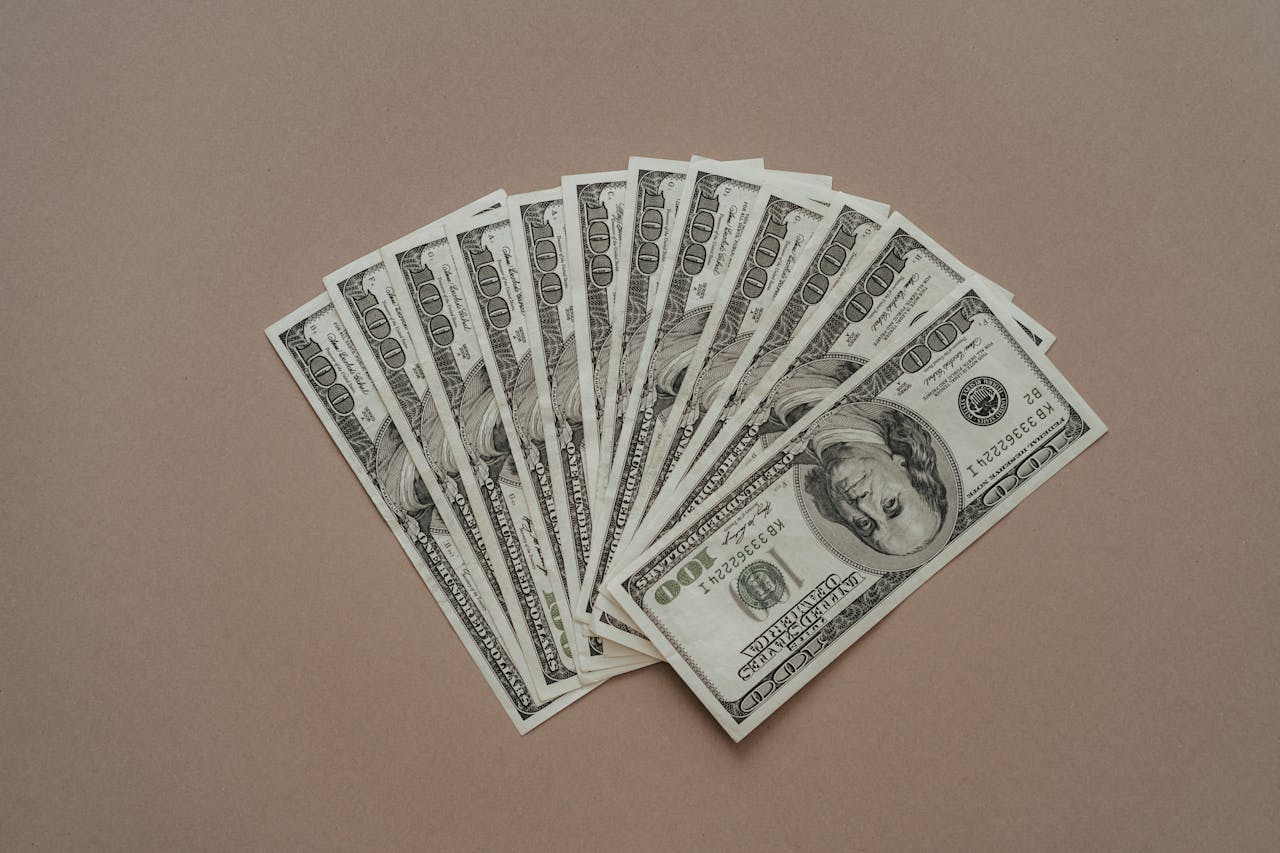
In the US, publicly advertised donor programs are often discussed in the low-hundreds-of-dollars range per approved donation or visit. As a rough orientation, you will often see figures that land somewhere around about $70 to $150, sometimes more at well-known banks or under specific program structures.
That is not a guarantee and not a universal rate. It is only a useful orientation for what “realistic” usually means when people say they want to get paid for sperm donation in the US.
The important part is that not every visit translates cleanly into the same payout, and not every sample is automatically treated as an approved donation.
How much can you really make per month or year?
The real question is how much one approved donation pays over time and whether you can stay in the program consistently. Someone who lives near the bank, can keep appointments, and remains reliable for months will see a very different result than someone with long commutes, irregular work hours, or unstable availability.
That is why there is no single honest annual number that fits everyone. Two men can enter a similar donor program and leave with very different totals because one stays in the system smoothly while the other drops off early or has fewer usable donations than expected.
The right way to think about it is program reality, not just dollars per visit. Travel, screening, wait times, fixed scheduling, and missed or unusable donations all belong in the same calculation.
Why is not every sample counted or compensated the same way?
This is one of the most common frustration points. A bank or clinic does not just care that you showed up. It cares whether the sample is usable under its medical and internal quality standards.
Biology varies, even in healthy men. That means one sample may be processed differently from another, and some submissions may not end up carrying the same value inside the program.
That does not automatically mean there is something wrong with your fertility. It usually means that treatment-grade usability is defined much more strictly than people assume.
How does the process work at a sperm bank?
Most US donor programs start with screening, not immediate payment. Banks invest time and money into questionnaires, testing, logistics, storage, and quality control, so they do not simply accept everyone who is interested.
Typical steps
- Initial application or intake screening
- Health and family history questionnaire
- First sample to assess whether donation quality is suitable
- Medical testing and repeated infectious disease screening
- Ongoing donation schedule over months with fixed expectations
The biggest burden for many donors is not the act of donating itself, but the long-term consistency. Showing up, following rules, and staying available matter just as much as the sample itself.
What requirements do sperm donors usually have to meet?
Many applicants are filtered out, and that is normal. Programs screen tightly because they are trying to control medical risk, maintain quality, and keep donor operations predictable.
Common filters
- Age, general health, and lifestyle
- Smoking, drug use, certain medications, or relevant medical history
- Infectious disease testing and repeat screening
- Family history and possible additional screening requirements
- Reliability, scheduling flexibility, and realistic distance from the site
If you are rejected, that usually means you did not fit the medical or operational profile of that program. It is not automatically a verdict on your masculinity, health, or fertility.
What does sperm donation mean legally in the US?
In the US, the legal picture is not as simple as one universal national rule. Outcomes can depend on state law, whether the donation happens through a licensed clinic or bank, how parentage is documented, and whether private arrangements are handled carefully.
That is exactly why “private donor for more money” can become legally messy much faster than people expect. A bank or clinic usually gives you more structure, more documentation, and fewer avoidable gray areas than an improvised direct arrangement.
If you are thinking about private donation, treat legal clarity as part of the decision, not as paperwork for later.
Private sperm donation: why some offers look much higher
Outside of banks and clinics, private arrangements often involve a very different money conversation. Some recipients offer higher payments, cover travel, or add hotel or flight costs because they want a specific donor or have limited local options.
That can mean more money in an individual case. It can also mean more uncertainty, more pressure, and less protection around testing, documentation, and expectations.
Higher pay is therefore not automatically “better”. It may simply mean that more of the risk has been shifted onto you.
What to watch for with private offers
- Put in writing what is being paid for: time, travel, lodging, or the donation itself.
- Be careful with urgency, pressure, or emotional manipulation.
- Walk away from any arrangement that does not feel safe, voluntary, and clearly structured.
- Do not assume testing, consent, or legal documentation will somehow sort themselves out.
Is sperm donation financially worth it?
For some men, yes. For others, clearly not. If you live close to the bank, stay organized, and fit well into a program, donor compensation can become a meaningful side income. If you have long travel times, poor scheduling flexibility, or mainly want fast cash, the math often looks worse once the real effort is included.
The wrong expectation is that a bigger number per visit automatically means a good deal. The better expectation is controlled extra income inside a structured system with real obligations.
Financially, it is usually only worth it when you accept the whole package rather than focusing on the payout alone.
What about taxes?
The tax side is one of the easiest places to get sloppy. The safe rule is simple: document what you receive and do not assume it is automatically non-taxable just because a program uses soft wording around reimbursement or compensation.
The IRS is clear that most income is taxable unless a specific exemption applies, and that includes many kinds of side income and reimbursements. IRS: Taxable income
This is not tax advice. But if you are donating regularly or receiving additional private payments, it is much smarter to clarify treatment early than to improvise later.
Common misconceptions about making money as a sperm donor
People often get the wrong picture because the topic is marketed with a number, not with the full process around it. In practice, the system around donation matters more than the headline payment.
Myths and realistic framing
- Myth: Every visit means guaranteed money. More realistic is: payment depends on the program model and approved donations.
- Myth: This is an easy side hustle. More realistic is: the real work is screening, consistency, and staying in the program.
- Myth: Private always pays better. More realistic is: higher money can come with much higher uncertainty and legal risk.
- Myth: A good first result means you are set. More realistic is: programs keep testing and evaluating over time.
- Myth: Donation is automatically anonymous forever. More realistic is: privacy, disclosure, and donor-conceived expectations are more complicated than that.
Keep reading



Conclusion
Making money as a sperm donor in the US is possible, but the reality is less glamorous than the ads. It is usually structured compensation inside a tightly managed program, not easy money with no long-term implications. If you want to judge it honestly, look at acceptance, consistency, scheduling, taxes, privacy, and the difference between bank donation and private arrangements, not just the number per visit.