Sperm cramps: How an internet meme becomes a health concern
The expression sperm cramps is linked to an internet meme about supposed male period cramps. It has been documented since 2022 and now also appears in serious-sounding health articles. It is not a recognised diagnosis. The phenomenon shows how humour, uncertainty and health information can become mixed together.

In brief
- The sperm cramps meme has been documented since 2022 and jokes about supposed male period cramps.
- The term sperm cramps does not refer to a separate, medically recognised condition.
- Health articles sometimes use the expression for other symptoms. This does not establish the condition suggested by the meme.
- AI has not been established as the origin of the term; a convincing AI answer is not medical evidence.
- Actual pain deserves attention. Sudden, severe testicular pain needs immediate medical assessment.
What does the sperm cramps meme mean?
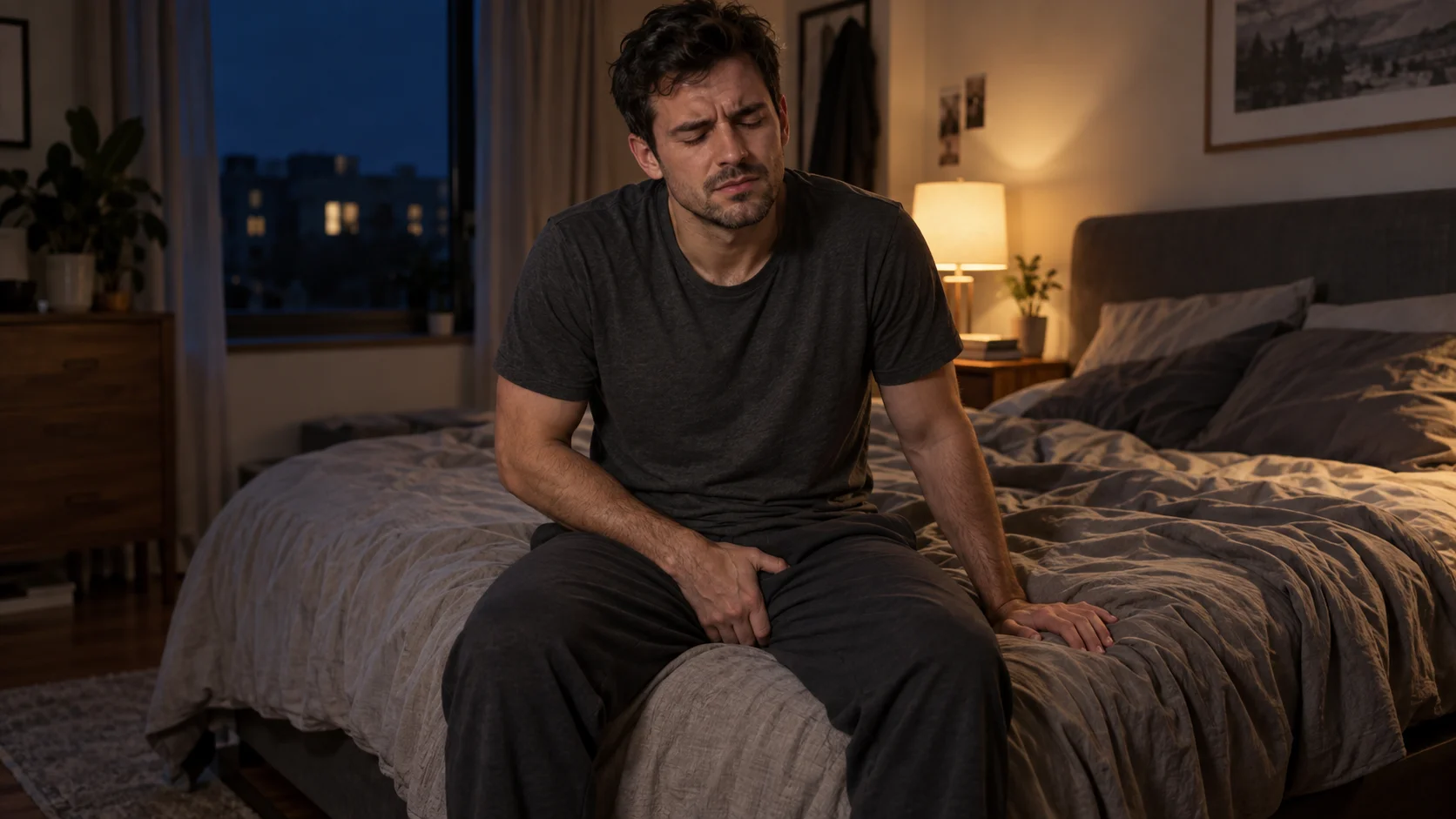
The meme presents sperm cramps as a supposed male equivalent of menstrual cramps. Typical clips show men exaggerating pain, holding their stomach or groin and pretending to have a similarly regular problem. Acting completely serious is part of the joke.
The confusion begins when someone sees such a post without the meme context. The joke can become a genuine question: does this really exist? This is where entertainment gets mixed up with health information.
What can be verified about its spread
The meme documentation site Know Your Meme identifies a TikTok video from 4 October 2022 as an early example. Its caption was “We have cramps also”. Other posts picked up the idea and compared the supposed symptoms with period pain.
A Berita DIY article published on 2 December 2022 already discussed the same clip as a TikTok trend. This shows that the expression was being used beyond the original posts at that time. It does not conclusively establish who used it first.
How a joke becomes a health concern
The shift is particularly clear in the Berita DIY report. It begins with the meme about men and then explains the expression through cramps after ejaculation into the vagina. But the Healthline article cited for this concerns symptoms in the person receiving the ejaculate. The report therefore switches between different bodies and situations.
Another example is a health article from Doctronic. It calls the term informal, then applies it to pain after ejaculation and possible urological causes, among other issues. Such pages show how the expression continues to serve as a broad label. They do not establish a single medical condition with that name.
The expression also appears on other health portals and clinic websites. Apollo 24|7 describes its sperm cramps guide as written and reviewed by doctors. The German-language estethica clinic page first says the expression is not used medically, then includes sections about symptoms, causes and relief. You can therefore come across the term on medical providers' websites as well.
That presentation can make it look like an established medical term: the heading, list of causes and treatment advice resemble a standard health guide. What matters is which symptoms the page actually describes and the evidence for those claims. Several websites using the same wording do not establish a separate diagnosis.
What role can AI and search results play?
AI can add to such confusion by taking an unclear expression and producing a fluent explanation. The general risk is well described: NIST identifies confidently presented false statements as a problem of generative AI. Reasoning and source references that seem relevant can also be incorrect.
For sperm cramps, this is a possible way of increasing the confusion, not a proven origin. The pages found do not establish how many articles were actually written with AI or how much they contributed to the term's reach. A high search ranking does not demonstrate medical recognition either.
In practice, open the source and check what it really discusses. Does it support the claimed term, or explain another symptom that merely sounds similar?
How to assess this internet phenomenon
Three questions can help when you encounter the term:
- Is this a joke involving pretend symptoms or an account of a real experience?
- Does the article stay with one situation, or shift between period pain, testicular pressure and painful ejaculation?
- Does the linked source actually support the claim, or only discuss a similar expression?
This helps you understand a meme as a meme while still checking medical claims critically. Not every post is meant to mislead. But accuracy matters when a post explains a condition or recommends a treatment.
A short medical clarification
The meme's label does not help much with actual symptoms. Medically, these situations should be distinguished:
- Pain during or after ejaculation
- Painful ejaculation is a documented symptom with several possible causes. Cleveland Clinic explains it medically. Get recurring or significant symptoms assessed.
- Pressure following prolonged arousal without orgasm
- This is often called blue balls. It usually refers to temporary discomfort; severe or persistent pain should not be dismissed under that label. A urological explanation helps clarify the difference.
- Sudden, severe testicular pain
- This can be an emergency, such as testicular torsion. Go to an emergency department immediately, especially if there is also nausea or vomiting. The UK's NHS also lists testicular pain continuing at rest as an urgent warning sign.
For symptoms beyond the meme, our article on pain after sex offers further guidance. Whether an internet expression is medically correct should not prevent you from having real pain assessed.
Conclusion
The sperm cramps phenomenon can be followed online: a meme about supposed male period cramps appears again in different health explanations. Its circulation is documented, but a separate medical condition with that name is not. Understanding the joke, checking sources carefully and describing actual symptoms clearly are useful responses.
Read further
These articles explain real symptoms that online posts confuse with the meme.