Blood in semen: causes, warning signs and what to do
Blood in semen may look alarming, but medically speaking it is often caused by temporary irritation or inflammation. Sometimes a procedure, infection, or another issue involving the prostate, seminal vesicles or urethra is responsible. The main questions are whether it recurs, whether there are other symptoms, and your age.

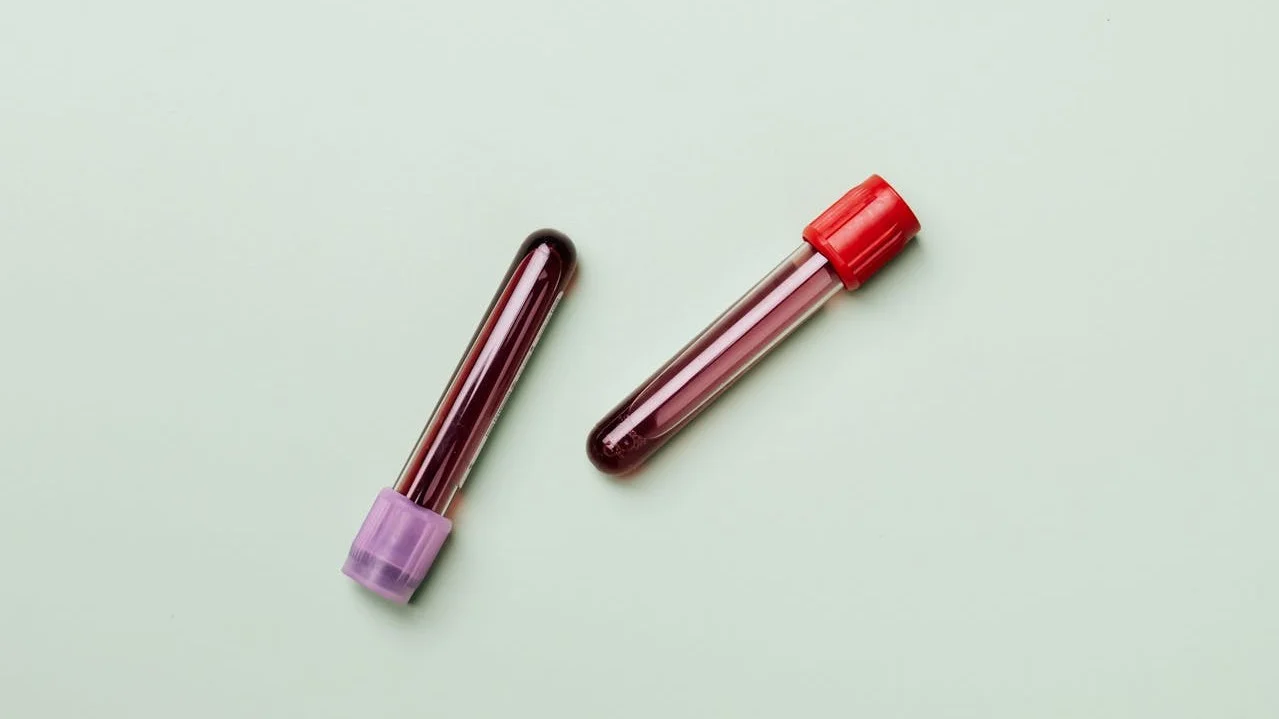
What blood in semen means
Blood in semen is medically called hematospermia. It refers to a reddish, pinkish, or brownish discoloration of the ejaculate caused by blood mixed into it. Fresh blood tends to look red, while older blood usually looks brown or rust-coloured, and small clots can sometimes be seen.
The colour by itself does not show how serious the cause is. If you are unsure whether the blood is really coming from semen, it is also worth considering blood in the urine or bleeding from a partner. The NHS describes blood in semen as usually not serious, but still worth checking.
Where the blood usually comes from
Semen is not made in one place only. It is a mixture of sperm and secretions from the epididymides, vas deferens, seminal vesicles, prostate, and urethra. If the lining there is irritated or a small vessel bleeds, blood can enter the ejaculate.
That is why blood in semen does not automatically mean major damage. The lining tissues and gland tissue are well supplied with blood and react sensitively to inflammation, pressure, small injuries, or mechanical irritation.
The Merck Manual puts it simply: hematospermia is often worrying, but many cases are benign and can be explained by a problem somewhere along the seminal tract.
Common causes
In practice, inflammatory, infectious and mechanical causes are the most common. A recent multicentre study found inflammation to be the most frequent cause; stronger warning patterns with older age or additional symptoms made a more targeted assessment more important. PubMed: Etiology of Hematospermia in Turkish Men.
- Inflammation or irritation of the prostate, seminal vesicles, or urethra
- Infections, for example urinary tract infections or sexually transmitted infections
- After procedures or examinations, such as prostate biopsy, cystoscopy, TURP, or vasectomy
- Small vessel injuries after vigorous sexual activity or after a long sexual break
- Stones, cysts, vascular changes, or narrowing in the seminal tract
- Bleeding disorders or medicines that affect blood clotting
- Rarely, tumours or cancers, especially in older patients or patients with additional symptoms
The NHS lists infections, procedures and prostate problems among the common triggers. The Mayo Clinic also notes that blood in semen often clears on its own and is only rarely linked to cancer.
When it is more likely harmless
A single episode without other symptoms is often self-limiting. That is especially true in younger men without risk factors and without further complaints. Blood in semen can also appear for a while after urological procedures and then settle over days or weeks.
Even so, waiting is not the same as ignoring it. A short medical assessment can help rule out infection, interpret the course correctly, and avoid unnecessary worry.
If you notice it once and otherwise feel well, doctors often start by observing. If it happens again, the picture is no longer the same.
Warning signs
If certain accompanying symptoms appear or the blood keeps coming back, the cause should be checked more closely. This is not about panic; it is about sensible prioritisation.
- Repeated blood in semen or ongoing discoloration for several weeks
- Blood in the urine
- Fever, chills, or feeling clearly unwell
- Pain in the pelvis, perineum, testicles, or during ejaculation
- Problems urinating, urinary retention, or blood clots
- Known bleeding disorder or blood-thinning medicine
- New-onset hematospermia at an older age
- Additional symptoms suggesting infection or another urological problem
The Merck Manual and the NHS both stress that age, duration, and accompanying symptoms determine the path to assessment.
If you also develop sudden severe testicular pain, fever, or urinary retention, this is not something to simply watch at home. A prompt medical assessment makes sense.
How medical evaluation usually works
Most evaluations are stepwise and practical. The goal is not to test everything at once, but to estimate risk sensibly and find treatable causes.
- History about frequency, duration, colour, triggers, pain, fever, urinary symptoms, sexual history, and medicines
- Physical examination, depending on the situation, including examination of the genitals and prostate
- Urine testing and, if infection is suspected, additional tests
- STI testing when the history or symptoms fit that possibility
- PSA testing and imaging only when age, course, or symptoms make them useful
- Transrectal ultrasound or pelvic MRI mainly for recurrent or stubborn symptoms
A recent multicentre PubMed study describes this risk-adapted approach well: in younger people with a single episode, limited testing is often enough, while recurrent symptoms or additional warning signs justify more targeted diagnostics. PubMed: Etiology of Hematospermia in Turkish Men.
The practical question is not whether every possible test exists, but which cause is actually plausible in your case and which test would really add clarity.
What you can do until the appointment
Until you are seen, simple and safe steps can help. They do not replace a diagnosis, but they often make the course easier to understand.
- Watch whether it stays a one-off event or happens again.
- Write down associated symptoms such as fever, burning, pain, or problems passing urine.
- If you have STI risk or new sexual partners, condoms until the issue is clarified make sense.
- Do not stop blood thinners on your own; speak with the prescribing doctor first.
- Do not start antibiotics on your own just because you want a quick fix.
If severe pain, fever, or urinary retention appears, urgent medical assessment is appropriate rather than waiting for days.
If blood in semen and blood in urine appear together, read the article on blood in urine as well. That often helps with the first step of sorting out where the bleeding is coming from.
Myths and facts
- Myth: Blood in semen almost always means cancer. Fact: Most often it is something temporary or easier to treat, although cancer must be considered in older or symptomatic patients.
- Myth: If it does not hurt, I can ignore it. Fact: Lack of pain does not safely rule out relevant causes.
- Myth: It is simply from having too much sex. Fact: Mechanical irritation can play a role, but inflammation and infection are more common.
- Myth: It is automatically an STI. Fact: Sexually transmitted infections are possible, but they are not the only cause.
- Myth: If it happens once, it will definitely happen again. Fact: Many episodes are one-off and go away on their own.
- Myth: Blood in semen automatically affects fertility. Fact: The cause matters, not the symptom by itself.
- Myth: Antibiotics always fix it quickly. Fact: They only help when a bacterial infection is likely.
- Myth: You need every scan immediately. Fact: Good evaluation is risk-adapted and stepwise.
- Myth: You can just stop blood thinners and see what happens. Fact: That can be dangerous and must be directed by a clinician.
- Myth: If the urine looks normal, it cannot be important. Fact: Blood in semen can occur even when the urine looks normal.
What changes when symptoms keep coming back
If blood in semen is not a one-off event, the focus shifts. Then the question is less whether the symptom is frightening and more whether inflammation, infection, stones, cysts, or another treatable cause is behind it.
In practice, that means not overreacting, but also not brushing it off for months. This is exactly where structured information matters: duration, frequency, age, urine findings, and accompanying symptoms. The current evidence supports a risk-adapted diagnostic approach that avoids unnecessary overtreatment without missing relevant causes. PubMed: Etiology of Hematospermia in Turkish Men.
Conclusion
Blood in semen is a real symptom, but in many cases it is temporary and easy to explain. What matters most is whether it comes back, whether warning signs appear, and whether your situation makes a targeted assessment sensible. The best approach is to stay calm, read the pattern correctly, and seek medical assessment if it persists or warning signs appear.
Further reading
If you want to separate similar symptoms more clearly, these articles can help with the next step.