Pregnant from anal sex? What’s possible and how to assess the risk calmly
Anal sex by itself can’t cause pregnancy, because sperm must reach the vagina to fertilize an egg. Risk only exists if semen gets onto the vulva or into the vagina. Here you’ll learn how to think about emergency contraception and when a test can give reliable clarity.


Can you get pregnant from anal sex?
Anal sex alone won’t make you pregnant. There is no direct connection from the rectum to the uterus that could carry sperm inside.
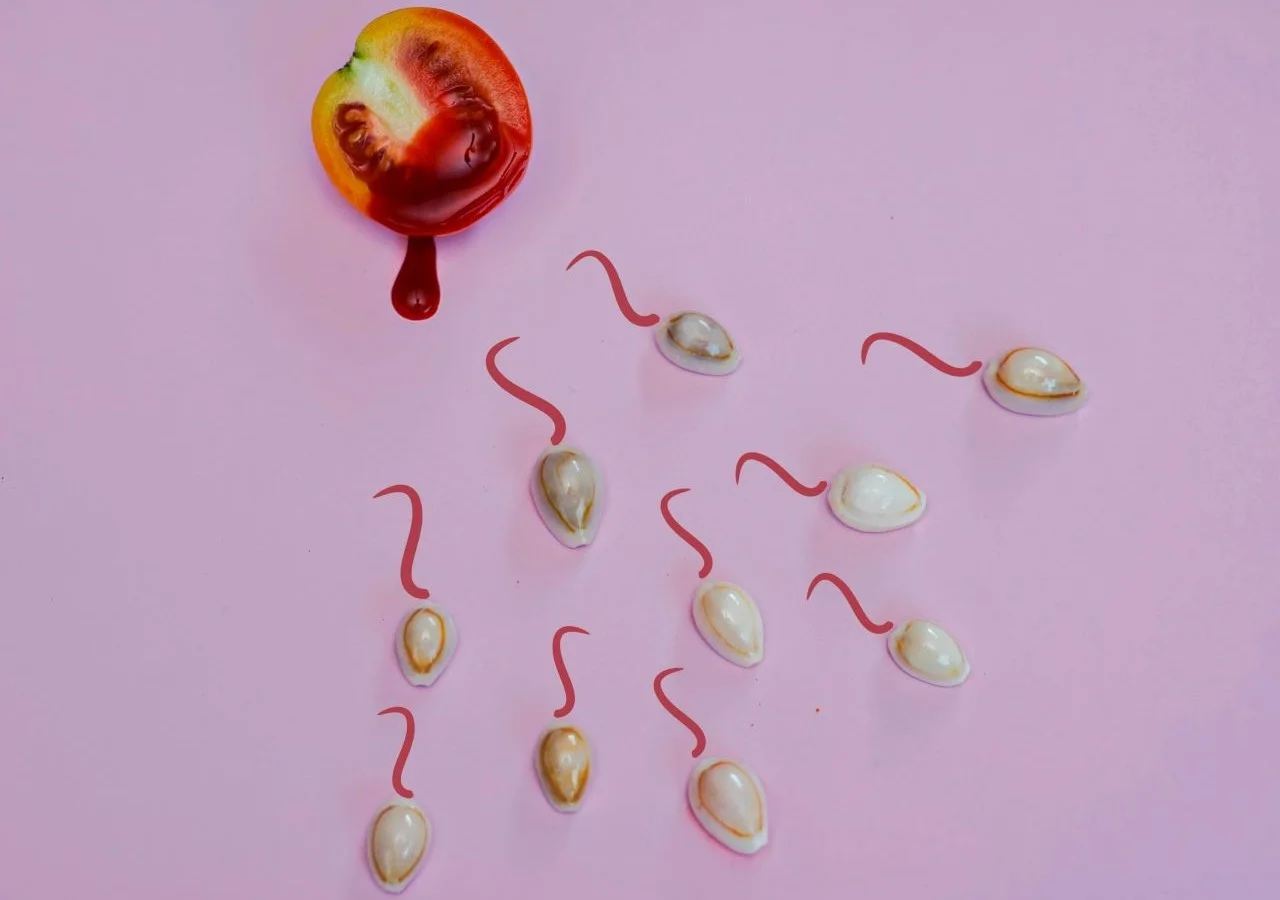
Pregnancy is only possible if sperm reaches the vagina and then fertilizes an egg during the fertile window. So the key question is not whether anal sex happened, but whether semen could have reached the vaginal opening.
You can also find a short, medically reviewed explanation of this question at KidsHealth. KidsHealth: pregnancy and anal sex
When anal sex can still become a pregnancy risk?
The risk comes from transfer pathways. These are the typical situations where it can matter.
- Ejaculation very close to the vagina or on the vulva.
- Semen runs outward and contacts the vaginal opening while lying down or sitting.
- Switching from anal to vaginal sex without changing the condom.
- Fingers or sex toys transfer semen into the vagina.
- Semen is on the penis or hand and later reaches the vaginal opening.
If none of these happened, pregnancy risk is practically nonexistent. If something like this did happen, it helps to focus on timing and take clear next steps.
You can find a similar overview at Rat auf Draht. Rat auf Draht: anal sex
Myths and facts about anal sex and pregnancy
- Myth: You can get pregnant directly from anal sex. Fact: Pregnancy is only possible if sperm reaches the vaginal opening.
- Myth: Semen can travel from the anus into the uterus. Fact: That’s not possible. Risk only exists via external contact near the vulva.
- Myth: Without ejaculation, the risk is always zero. Fact: What matters is whether fluid containing sperm reached the vaginal opening, for example via later contact.
- Myth: Douching or rinsing reliably prevents pregnancy. Fact: It’s not a reliable method and can irritate mucosa.
- Myth: If you test immediately, you’ll know. Fact: Testing too early rarely gives clarity. A useful test date depends on timing.
How likely is it? A practical way to think about it?
There is no credible fixed percentage for anal sex, because pregnancy does not happen from anal sex itself, but only from semen that reaches the vagina. So it’s more helpful to think in scenarios.
Practically no pregnancy risk
- Anal sex with an intact condom and no semen contact near the vulva.
- Anal sex without ejaculation and no switch to vaginal sex.
- Ejaculation in a condom that is removed and disposed of cleanly.
Very low, but not meaningful as a percentage
- Ejaculation in the anus without a condom, but no direct contact with the vagina, only possible smearing externally.
- Unclear contact because fluids were wiped away and you’re not sure whether anything reached the vulva.
In these cases, risk is usually low, but it ultimately depends on whether semen actually reached the area of the vaginal opening and whether it happened during the fertile window.
Possible
- Semen is clearly at the vaginal opening, or there was unprotected vaginal contact after anal sex.
- Semen was transferred into the vagina via fingers or toys.
If semen reaches the vagina, the same biology applies as with unprotected vaginal sex. Then it’s worth making a clear decision about whether to consider emergency contraception.
As a rough orientation: if sperm reliably reaches the vagina and no contraception is used, the NHS states that for couples under 40 who have regular sex, about 8 in 10 will get pregnant within a year. NHS: Trying to get pregnant
The 60-second check: do I need emergency contraception?
If you want to avoid pregnancy, one simple question helps: Could semen have reached the vaginal opening? If yes, timing matters.
- No semen contact near the vulva or vagina: usually no emergency contraception needed.
- Semen at the vaginal opening or a switch to vaginal sex: consider emergency contraception; the sooner, the better.
- Not sure whether semen reached the vulva: consider a brief medical consultation to avoid unnecessary stress.
- Severe pain, injuries, or bleeding: seek medical evaluation.
For orientation: with the morning-after pill, time windows of up to 72 hours and up to 120 hours are relevant. SBK provides an easy-to-understand overview. SBK: the morning-after pill
You can find an international overview of emergency contraception, including options up to 5 days, at the WHO. WHO: emergency contraception
If you want the basics first, start with Morning-after pill.
Timing: why fertile days are the decisive factor
Even if semen reaches the vaginal opening, timing often determines risk. The fertile window spans multiple days because sperm can survive in the body for up to 5 days, while an egg is fertilizable only for a short time.
ACOG describes this fertile window as around 6 days per cycle. ACOG: fertile window
If you want the sperm survival timing as clear facts, see How long sperm survive.
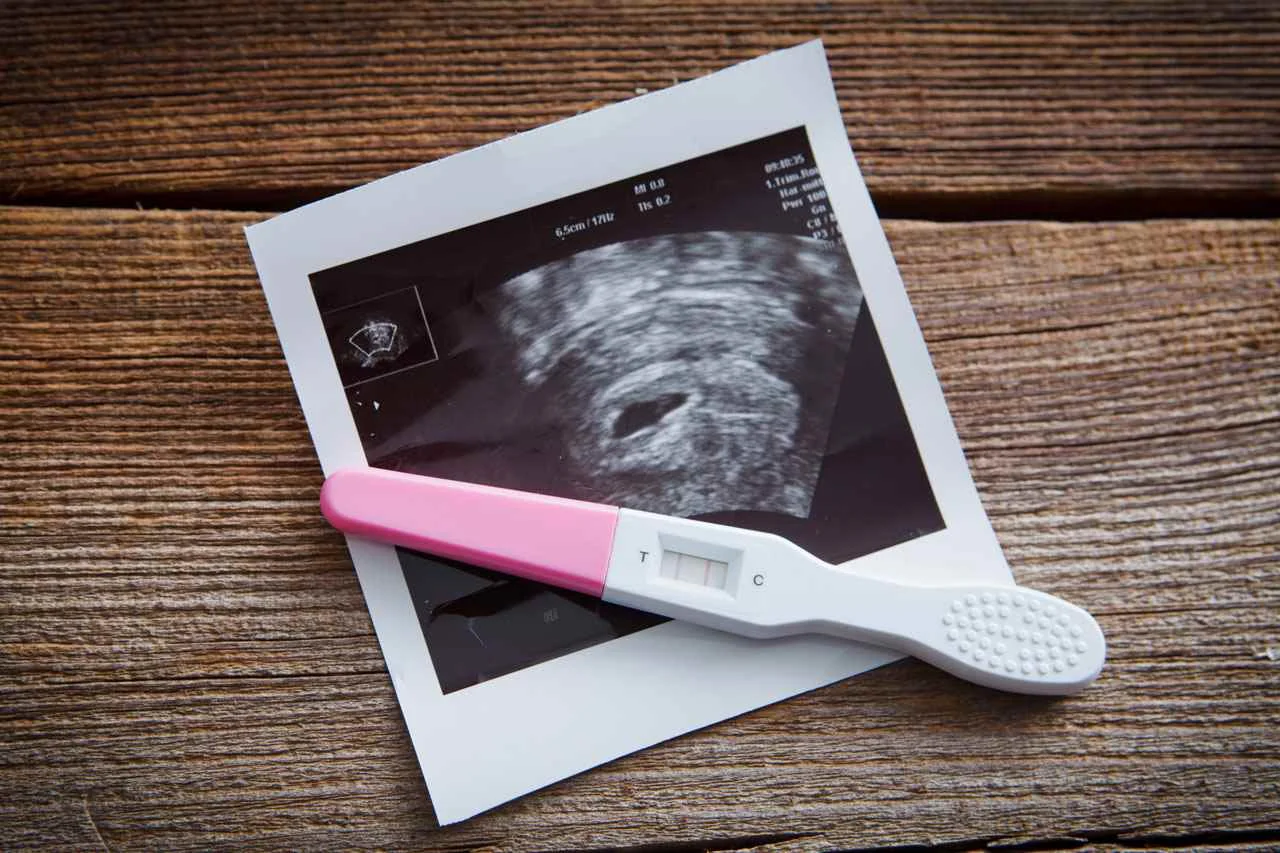
When a pregnancy test makes sense?
Many people test too early and get no clarity. Urine tests become reliable once enough time has passed for pregnancy hormones to rise to measurable levels.
- If your period is late: test from the expected date.
- If your cycle is not reliable: set a clear test date about 3 weeks after the last relevant risk.
If you notice you’re getting lost in symptoms, a calm plan is often better than constant checking. A reality check on timing is also in Am I pregnant?
Also important: protection from infections and injury
Even if pregnancy is the main concern, infection risk is often the bigger issue. Condoms, enough lubricant, and using a new condom when switching from anal to vaginal sex significantly reduce risks.
The CDC explains, for example using chlamydia, that infections can also be transmitted through anal sex. CDC: chlamydia, transmission, and prevention
If there’s a condom mishap, the step-by-step plan in Condom broke can help.
Conclusion
Anal sex won’t make you pregnant as long as no semen gets onto or into the vagina. If contact near the vaginal opening could have happened, focus on timing, consider emergency contraception, plan a test at the right time, and protect yourself consistently going forward with condoms, enough lubricant, and a new condom when switching to vaginal sex.
Read more
If you’re unsure, these articles help with timing, immediate steps, and putting sperm and risk into perspective.