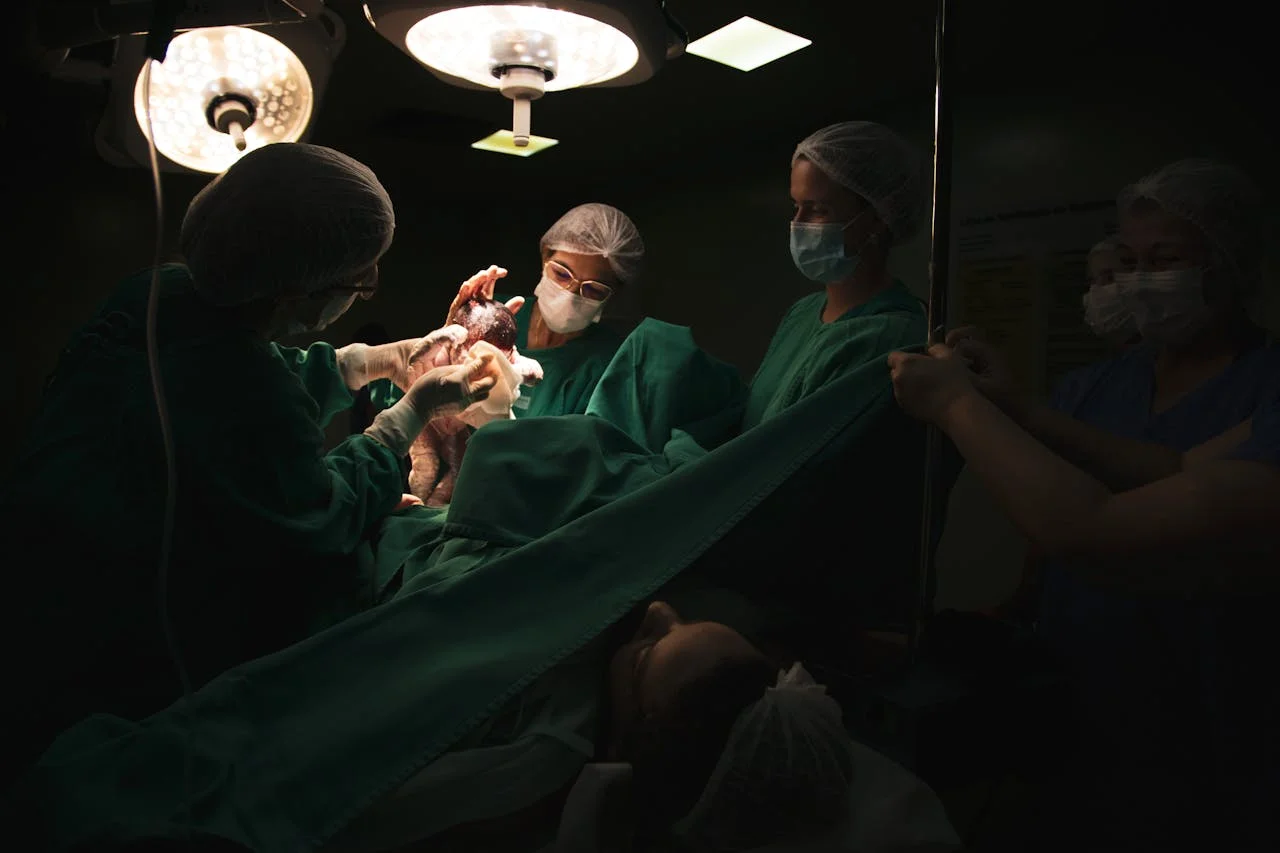
Diastasis recti after pregnancy: what is normal, what helps, and when you should seek care
Diastasis recti is common after pregnancy and delivery. Some women only notice a softer midline, while others see a bulge, feel less supported while lifting, or wonder whether the abdomen will feel stable again. This article explains what happens when the rectus muscles separate, what a sensible start after delivery looks like, which exercises are actually helpful, and when physiotherapy or medical assessment is important.

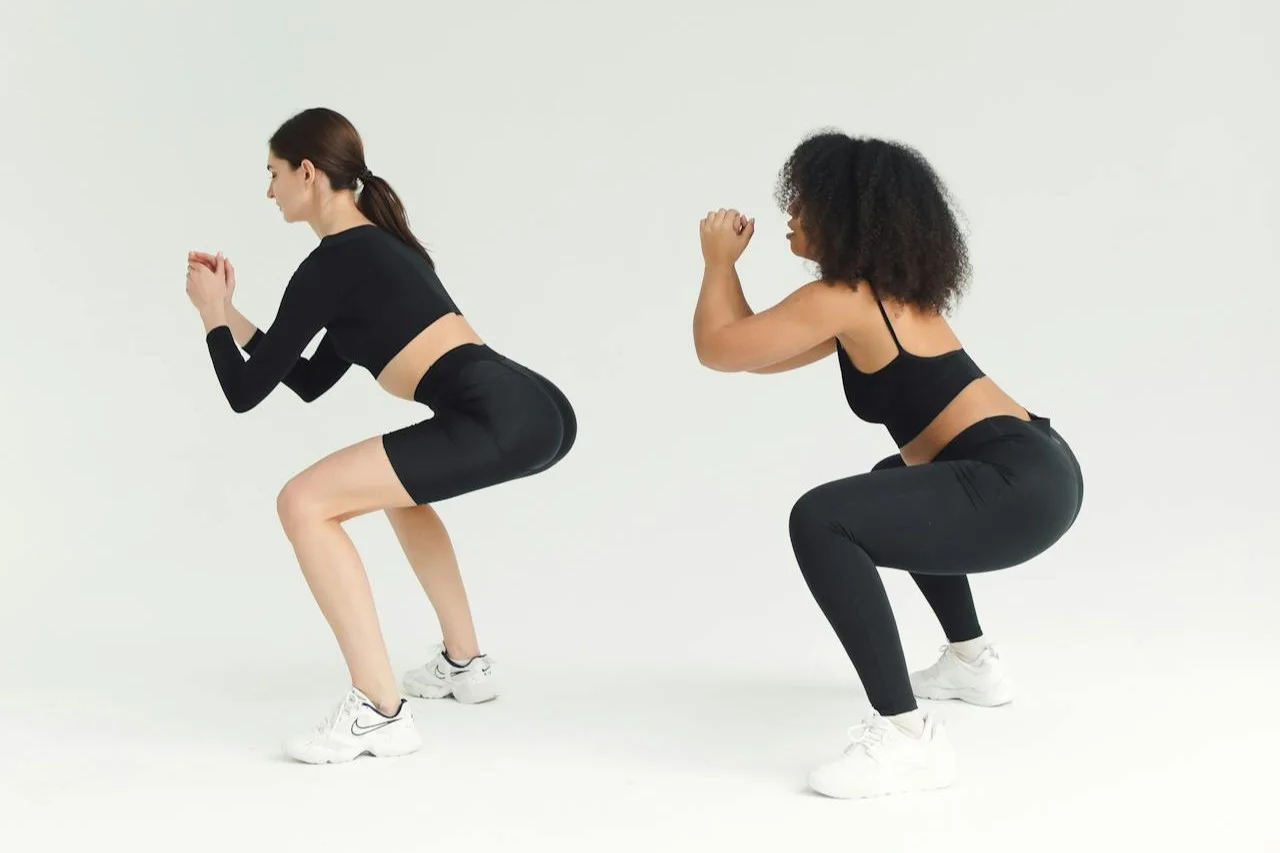
What diastasis recti actually means?
In diastasis recti, the two straight abdominal muscles move apart in the middle because the connective tissue between them gives way and becomes broader. This central band of connective tissue is called the linea alba. So this is not about torn abdominal muscles. It is about stretched tissue that transfers tension less effectively under pressure.
From the outside, this often appears as a narrow bulge or a soft groove along the middle of the abdomen. A clear medical overview is also available from gesund.bund.de on diastasis recti.
Why it is so common after pregnancy?
During pregnancy, the abdominal wall has to make room for the uterus, baby, amniotic fluid, and changing pressure inside the abdomen. So when the midline becomes wider, that is first of all a normal physical adaptation and not a sign that you have done something wrong.
How much the midline gives way is different in every woman. Twin pregnancy, repeated pregnancies, higher abdominal pressure, or an abdominal wall that was already under strain can make the separation more obvious. After delivery, many women notice some recovery in the first few weeks, while for others it takes months and a more structured rebuilding phase.
How common diastasis recti is and how long recovery may take?
Diastasis recti is very common. Depending on the way it is measured and the cutoffs used, research still finds meaningful rates months after birth. One large review reports that it was observed in up to 45 percent at six months and around 33 percent at one year postpartum. At the same time, those numbers vary because studies do not all use the same measurement methods. A helpful summary is in the BJSM review on movement in the first year after birth.
For practical day-to-day life, the more important point is this: recovery is not a two-week project. A lot may already change in the first weeks, but tissue healing, strength, and load management usually improve over several months. So if your midline still feels soft or looks domed months after delivery, that is not automatically unusual.
Risk factors that can make diastasis recti more pronounced
The clearest patterns are simpler than many online lists suggest. Studies mainly point to links with higher body weight, repeated pregnancies, and twin pregnancy. A wider abdominal midline early in pregnancy may also raise the chance of a more marked separation later on. A current overview of risk factors and severity is available in this review on diastasis recti and associated symptoms.
What matters here is that a risk factor is not a judgement. It describes probability, not blame. You can have a marked diastasis recti without classic risk factors, and with several risk factors you can still make very good functional progress.
Symptoms: when diastasis recti becomes relevant
Not every diastasis recti causes symptoms. Some women can feel a gap and still manage daily life without obvious problems. It becomes more relevant when load, breathing, and tension in the abdominal midline do not work together well.
Typical situations where it shows up
- getting out of bed or up from the floor
- coughing, sneezing, or laughing
- carrying the baby, infant seat, or other loads
- doing exercises where the abdomen pushes forward or forms a visible ridge
Many women start paying attention to this because they notice a visible bulge, back pain, a feeling of instability, or additional symptoms in the pelvic floor. What matters is not just the width of the gap, but how well your midline handles daily activities and exercise.
Diastasis recti self-check: useful for orientation, but not a final verdict on your body
Whenever diastasis recti is discussed, self-checks, finger widths, and mirror tests come up very quickly. A brief self-check can be useful if it gives you orientation. It should not turn into treating your abdomen like a daily exam.
What matters more than one number
- Does a clear bulge appear in the middle with small efforts?
- Do you feel poorly supported even though the task should be easy?
- Does it improve if you breathe out and lengthen up before the effort?
- Do you also notice downward pressure, urine leakage, or pain?
A simple palpation can tell you whether the midline feels soft or more tensioned. But it does not reliably tell you how well your abdominal wall can transfer load. If you are unsure or keep checking the same point repeatedly, an assessment by a midwife, gynaecologist, or specialised physiotherapist is usually more helpful than repeating self-tests.
The common finger-width test also has obvious limits. Two fingers in one woman do not automatically mean the same thing in another. And a narrower gap can function worse than a slightly wider midline that can create and hold tension better.
What matters first after delivery?
Right in the postpartum period, the goal is not to force the abdomen closed. The first priorities are healing, sensible load management, and good daily strategies. That foundation often decides how stable your midline feels later on.
A sensible start is often quite simple
- roll to your side to get up instead of pulling straight forward
- breathe out before effort instead of holding your breath
- choose short, regular movement instead of occasional overload
- use calm breathing that reconnects the rib cage, abdominal wall, and pelvic floor
If you delivered by caesarean section, wound healing and scar pull become additional factors. In that case, an even more gradual increase in activity is sensible, especially in the first weeks.
Diastasis recti exercises: which ones actually help
It is easy to think that one exercise can close the gap. In practice, that is rarely the case. What helps is a progression that brings together breathing, deep tension, trunk control, and loads that match daily life.
Typical building blocks of a sensible progression
- early phase: breathing, gentle abdominal wall tension, alignment, and pelvic floor coordination
- rebuilding phase: controlled leg and arm movements while the midline stays steady
- later phase: more resistance, more speed, and daily-life loading without bulging or bearing down
The best available overview suggests that abdominal training after birth may reduce the muscle separation on average. At the same time, the evidence is much weaker for pain, function, and other symptoms. So your plan should not depend on one number alone, but on better load tolerance, less bulging, and more control.
How to know when an exercise is not suitable yet?
Not every difficult exercise is automatically bad. But if your abdomen clearly pushes forward during the movement, if you hold your breath, or if you feel less stable afterwards than before, the load is probably not appropriate for you yet.
Common signs that the level is too difficult too early
- visible doming or a ridge along the midline
- breath holding, bearing down, or shaking during an easy task
- more back pain, pelvic pressure, or instability
- more symptoms in daily life after training instead of fewer
That does not mean sit-ups, planks, or running are permanently forbidden. It only means you may need an earlier step first. A good progression builds toward higher-demand activity instead of forcing it too soon.
How to become more resilient again in daily life, exercise, and sport?
Many mothers do not only want to know which exercises are helpful. They mainly want to know when the abdomen will feel normal again while carrying, running, or doing strength work. This is exactly where a staged approach helps more than a fixed number of weeks.
A realistic progression of load
- start by making daily tasks safer: getting up, carrying, lifting, coughing
- then add controlled strengthening without visible bulging through the midline
- after that, move to longer efforts such as walking, brisk walking, and light strength training
- only later return to heavy loading, jumping, jogging, or intense core sessions
If doming, downward pressure, or instability return at any stage, that usually points to a missing middle step rather than failure. Especially while returning to exercise, this way of thinking is often more helpful than trying to follow a strict week-based timeline.
Why the pelvic floor and abdominal midline should be considered together?
The abdominal wall does not work in isolation. Breathing, diaphragm, back, abdominal muscles, and the pelvic floor form one pressure system for the trunk. If pressure is poorly distributed under load, you may feel that not only in the middle of the abdomen, but also as heaviness downward, urine leakage, or uncertainty while jumping and lifting.
That does not mean every diastasis recti automatically causes pelvic floor problems. It does mean that abdominal work alone often falls short when pressure management and pelvic floor control are also missing.
When specialised physiotherapy is especially useful?
Many women do well with a good postpartum recovery programme. Specialised physiotherapy is especially useful if you are not making progress despite exercise or if several symptoms are happening together.
It is often worth seeking support if you notice these things
- clear bulging in many daily movements
- ongoing back pain or the feeling that your midline gives no support
- urine leakage, downward pressure, or insecurity during exercise
- no progress after several weeks despite consistent work
- returning to running, strength training, or sports with jumping and quick changes of direction
If you want to train harder again, a symptom-led progression is usually more helpful than rigid lists of forbidden exercises from social media.
Diastasis recti surgery: when it is even a topic
Sooner or later, many women come across questions about surgery, tightening, or fully closing the gap. In the early period after delivery, that is usually not the right focus. The first step is almost always recovery, exercise, and rebuilding functional stability.
Surgery may become a topic later if the separation is very pronounced, symptoms remain despite good conservative care, or a hernia is also present. The official public health information also says that surgery is usually not necessary and is more likely to be discussed when symptoms are severe. If you are planning more pregnancies, that also matters in surgical decisions.
When you should seek medical assessment?
Diastasis recti does not explain every bulge and not every symptom after birth. If something does not fit the usual picture, it makes sense to get it assessed.
These signs point more towards assessment than more self-training
- a firm, painful, or very localised bulge instead of a long soft midline
- increasing pain or clearly worse load tolerance
- strong downward pressure, marked leakage, or the feeling that something is descending
- no clear improvement over months despite sensible load management
If wider postpartum warning signs also appear, for example fever, heavy bleeding, breathlessness, chest pain, or severe headache, this is no longer about normal recovery alone. A clear overview is available from ACOG on postpartum warning signs.
Myths and facts about diastasis recti
- Myth: Diastasis recti means the abdominal muscles are torn. Fact: In most cases, the issue is stretched connective tissue in the middle, not a muscle tear.
- Myth: The gap has to disappear completely or the training has failed. Fact: Load tolerance, control, and symptoms matter more than one measurement.
- Myth: Any bulging means permanent damage. Fact: Often it is a sign that the load, breathing strategy, or exercise level is not suitable yet.
- Myth: One internet exercise closes every diastasis recti. Fact: Good results usually come from a staged plan and consistent pressure management.
Takeaway
Diastasis recti after pregnancy is common and is often a normal part of physical adaptation at first. The best way forward is rarely by forcing things. It is usually a thoughtful rebuild with good breathing, appropriate loading, pelvic floor coordination, and patience. If bulging, instability, or symptoms remain, specialised physiotherapy is usually more helpful than stricter self-checks or random exercises.
Read next
These three articles fit especially well if you want to understand the body after birth as a whole.