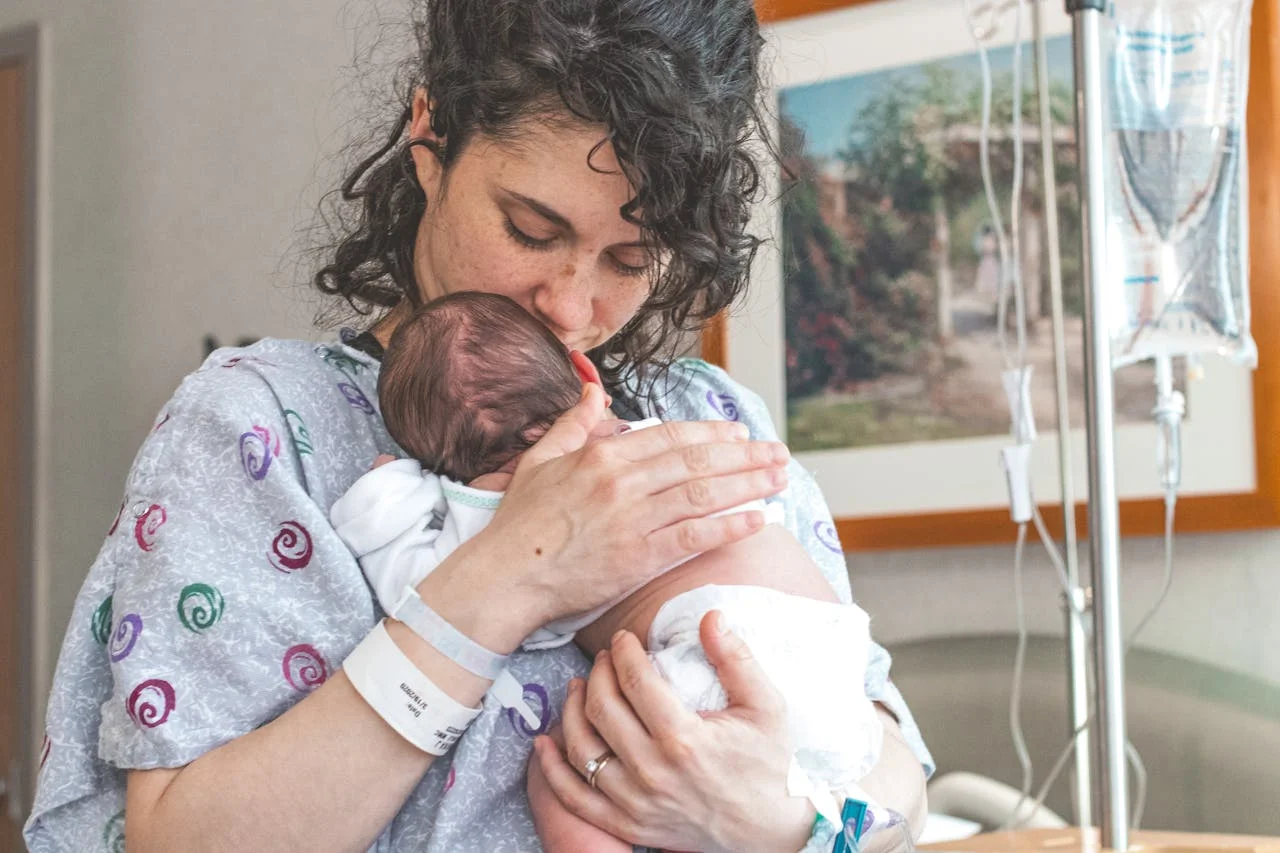
Caesarean Delivery: Preparation, Procedure, Recovery and Warning Signs
A caesarean delivery is a birth by surgery. Many people mainly want clear guidance on healing, the scar, pain, postpartum bleeding, daily routine and warning signs. This article explains what is usually typical in the first hours, days and weeks, how recovery after a caesarean fits into the postpartum period, and when it is wiser to seek medical review than to keep waiting.

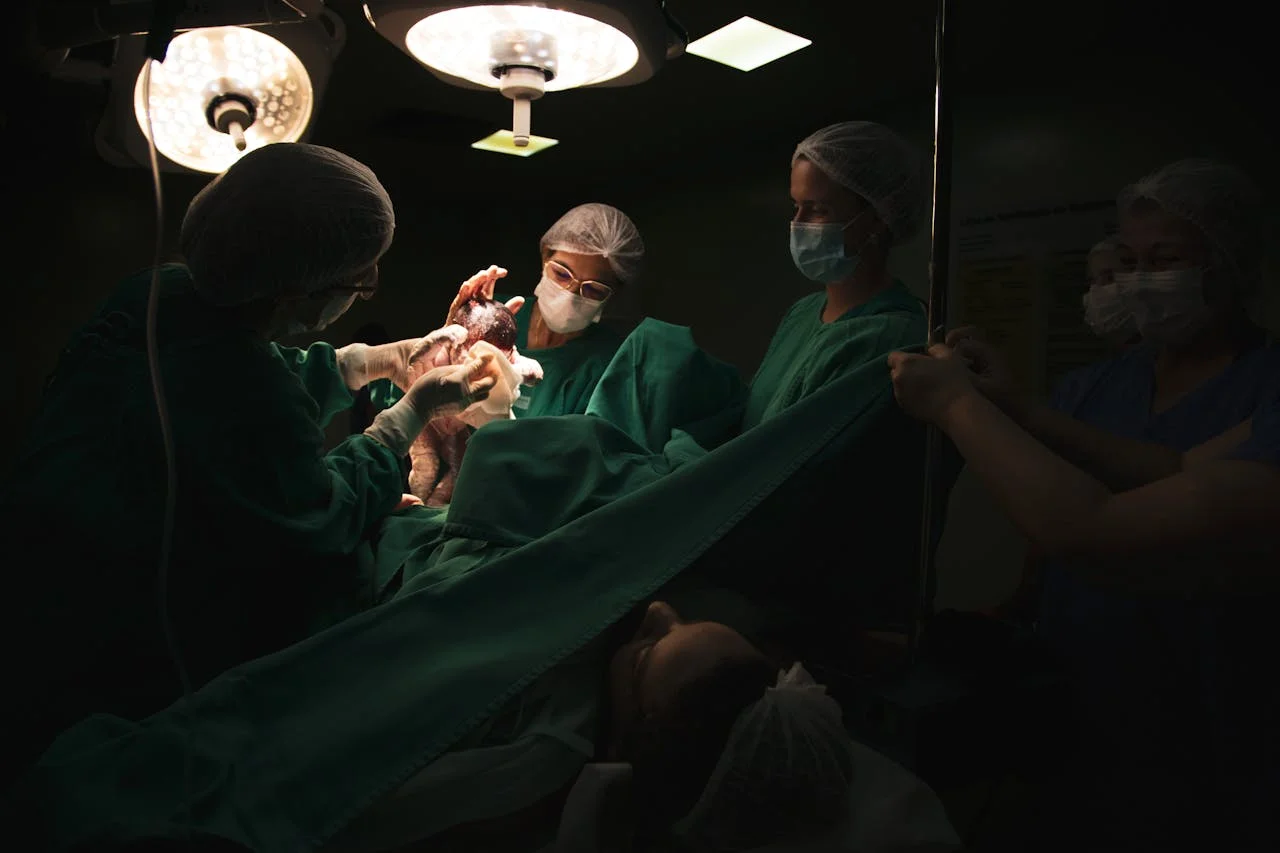
What a caesarean delivery means medically?
In a caesarean delivery, the baby is born through a cut in the abdominal wall and the uterus. It is a standard procedure and can reduce risk or protect parent and baby in the right situation. At the same time, it remains abdominal surgery, and that shapes the postpartum period: uterine recovery, postpartum bleeding and surgical healing all happen together.
If you feel sore, weak, or less physically able after birth, that does not automatically mean something is wrong. Quite often it matches the combination of birth, surgery, less sleep, fluid changes and hormonal adjustment.
You can find a clear explanation of the procedure at Gesundheitsinformation.de. Gesundheitsinformation.de: How does a caesarean section work?
Planned or unplanned: why the experience may feel very different
A planned caesarean often brings more predictability: you know the date, can prepare practical things in advance, and usually have a fair idea of what will happen in the operating theatre. An unplanned caesarean can feel emotionally harder because decisions happen under time pressure or labour ends differently from what you expected.
Physically, both are surgery. Emotionally, the difference can feel much bigger. If your thoughts keep going in circles, certain moments remain stuck, or you feel cut off from what happened, talking through the birth record can help more than trying to simply endure it.
Gesundheitsinformation.de also explains clearly when a caesarean section may be considered. Gesundheitsinformation.de: When is a caesarean section considered?
How to prepare for a planned caesarean?
Preparation does not remove the operation, but it can make the first days easier. What usually helps most is not perfection. It is having a calm plan for hospital, the return home and the first week after delivery.
What is useful to sort out before admission
- Who will stay with you after birth and who can genuinely support you at home in the first few days
- How you will get up, sleep, bathe and care for the baby without repeated bending or heavy lifting
- Which questions you still have about the procedure, anaesthesia, skin-to-skin contact and feeding
- Whether you can arrange a recovery corner at home with water, snacks, a charger, pillows and essentials within easy reach
What usually makes sense in your hospital bag
- Soft, high-waisted clothes that do not press on the scar
- Comfortable undergarments and enough pads for postpartum bleeding
- A charger, water bottle, lip balm and a few things that help you feel settled
- Any papers you may want close at hand for consent, medicines or follow-up care
The procedure at a glance
Anaesthesia and what you may notice
A spinal or epidural type of anaesthesia is often used, so you are awake but should not feel pain in the surgical area. Some people notice pressure, pushing or pulling, especially when the baby is being delivered. In some situations, general anaesthesia may be required.
If the operating-theatre setting makes you anxious, it often helps to ask in advance who will be there, how communication usually happens, and what to expect at each stage. Concrete information often reduces stress better than general reassurance.
Incision, birth and closure
After the skin incision, the tissue layers are opened and the uterus is reached. The baby is delivered, the placenta is removed, the uterus is closed, and the abdominal wall is repaired layer by layer. The surgical part itself is often shorter than the full process of preparation, positioning and early recovery care.
Skin-to-skin contact after birth
Many hospitals support early skin-to-skin contact after a caesarean too. Sometimes it takes a little extra coordination because monitoring and positioning on the operating table create limits. If that first contact matters to you, it helps to mention it beforehand so the team can plan for it properly.
The first hours and days afterwards
Pain is expected, and good pain control matters
Pain in the first few days is normal because several tissue layers are healing and the abdominal muscles and fascia react as well. Many people underestimate how much coughing, sneezing, laughing and standing up can pull. The aim is not to remove every sensation, but to make movement, sleep and steady breathing possible.
What helps in practice is a plan: taking medicines on schedule instead of waiting for pain spikes, using a pillow for support while coughing, moving slowly, and accepting help while getting up. Trying to manage through too much often leads to guarded movement, less mobility and more fatigue.
Early gentle movement lowers risk
Rest matters, but complete immobility is not helpful. Getting up carefully and walking short distances supports circulation and bowel function and also helps reduce the risk of blood clots. A common mistake is swinging between doing almost nothing and then doing too much.
Digestion, bladder and pressure
After surgery, pain medicines and low activity, the bowels are often slow. Bloating, pressure and constipation are common and can feel more alarming than the scar itself. It usually improves if you drink regularly, eat early, move a little and avoid straining during bowel movements.
If abdominal pain clearly gets worse, breathing feels difficult, or you feel generally unwell, that should be checked medically.
Postpartum bleeding still happens after a caesarean
Postpartum bleeding comes from healing inside the uterus and does not depend on the route of birth. It usually changes over time. More important than one colour alone is the overall trend over several days: less bleeding overall, not clearly more, and no strong bad smell or fever.
Healing and scar recovery in the postpartum period
How the scar may feel
Many people notice pulling, itching, tenderness, or a numb or unusual feeling around the scar. That can continue for some time because small nerves and blood vessels need time. Such sensations are common and not automatically dangerous.
More concerning signs are pain that keeps increasing, clear warmth, marked redness, discharge, new swelling, or a fresh feeling of being unwell. That deserves timely medical review.
Familienplanung.de gives a clear explanation of the postpartum period after a caesarean. Familienplanung.de: The postpartum period after a caesarean
Scar care without overdoing it
At first, protection matters most: keep the area clean, dry and free from rubbing. Once the wound is securely closed and your medical team says it is all right, gentle touch can help you feel more comfortable with the area again. Later, careful scar mobilisation may help if tightness or pulling continues.
The order matters: healing first, scar care second. Massaging too early or rubbing strongly usually makes things more uncomfortable, not less.
Familienplanung.de also has a focused explanation of wound healing after a caesarean. Familienplanung.de: Caesarean section and wound healing
The pelvic floor and abdominal wall still matter
Even after a caesarean, the pelvic floor and abdominal wall are part of recovery. Pregnancy, downward pressure, body weight and hormonal changes affect the body whatever the route of birth. Many people notice heaviness, instability or a different feeling through the middle of the body.
Early on, pacing matters more than training: gentle activation, calm breathing, short walks, no heavy lifting and not standing too long. If leaking, heaviness, clear weakness or symptoms in the abdominal wall continue, it may help to look into diastasis recti or start pelvic health physiotherapy early.
Feeding and daily routine after a caesarean
Getting feeding started can feel different
After a caesarean, tiredness, pain while sitting up and a sensitive lower abdomen are common. That can make the start of breastfeeding harder without meaning breastfeeding itself is not working. What matters most is finding positions that do not put pressure on the lower belly.
Positions that take pressure off the scar
- Side-lying if sitting up pulls too much
- A slightly reclined position with good arm support
- Holding the baby so the lower abdomen stays clear
If you are not breastfeeding or cannot start right away
Your breasts can still feel full or tight because your body is shifting hormonally. Cooling, a well-fitting bra and rest help many people. If you develop fever, feel unwell, or have a very painful hard area in the breast, it is worth getting checked. If you are still working through the bigger decision, breastfeeding or not breastfeeding may also help.
Realistic recovery timelines
Recovery after a caesarean is rarely linear. Many people make quick progress in small everyday things and still have days when the body sets clear limits. That is often normal as long as the overall direction is improving over several days.
The first 72 hours
Getting up is hard, the abdomen feels sore, the bowels are slow, and sleep is usually broken. Small steps matter: drinking regularly, eating early, moving carefully and accepting enough support.
Week 1 to 2
Pain often eases, but overdoing it is easy because you may feel better in one moment and assume everything is fine again. Many people underestimate how much housework, stairs, standing and carrying can irritate the scar.
Up to about 6 weeks
On the outside, things often look more stable, but internally healing is still going on. This stage usually responds better to gradual increase than to trying to jump back into normal life all at once. Patience often helps the core more than pushing harder.
Months later
Numbness, pulling or tightness may settle gradually over time. If you still have strong pain, very bothersome scar sensations, or clear limitations months later, focused follow-up makes sense.
What often matters most once you are home?
Lifting and carrying
Daily life usually becomes too much not because of one major mistake but because of many smaller demands stacked together. Baby, nappy bag, shopping, stairs and repeated trips around the house add up quickly. In the first weeks, it is usually wiser to hand off avoidable carrying and save your energy for what actually matters.
Bathing, the scar area and clothing
Many people manage well with a short bath or shower and then gently drying the area. Rubbing, tight waistbands and clothing that presses directly on the scar often irritate the area more than water does. Soft fabrics and less pressure on the lower abdomen can make a bigger difference than any special product.
Driving, exercise and sex
The calendar alone does not decide readiness. What matters more is whether you can move with control, react quickly, sit up comfortably and tolerate pressure without much pain. For driving, exercise, more intense workouts or sex, it makes sense to follow medical advice and be cautious rather than testing your limits suddenly.
A future pregnancy after a caesarean
Questions about a later vaginal birth often come up early after a caesarean. There is no single answer because the reason for the first caesarean, the type of uterine incision, the course of the next pregnancy and the obstetric assessment all matter.
In practice, it is usually not helpful to force a final decision during the postpartum period. It is more useful to keep your birth record, talk through open questions later when things feel calmer, and ask early in the next pregnancy what your realistic and safe options are.
Warning signs after a caesarean
Some warning signs are general postpartum warning signs, and some are more specific to surgery. If you are unsure, getting medical advice early is usually better than waiting a long time to see whether it settles by itself.
- Very heavy bleeding or a sudden clear increase after things had been improving
- Fever, chills, feeling very unwell, or foul-smelling postpartum bleeding
- Worsening lower abdominal pain or scar pain, especially with redness, warmth, swelling or discharge
- Shortness of breath, chest pain, fainting or severe dizziness
- Pain, redness or swelling in one leg
- Severe headaches with vision changes, especially if they are new or unusual for you
The CDC has a compact overview of urgent warning signs after childbirth. CDC: Urgent maternal warning signs
Myths and facts about caesareans
- Myth: There is no postpartum bleeding after a caesarean. Fact: Postpartum bleeding comes from healing in the uterus and still happens after a caesarean.
- Myth: If the scar looks fine on the outside, everything is healed. Fact: Internal healing takes longer, and activity should increase gradually.
- Myth: If you need pain medicines, you are healing badly. Fact: Good pain control can support movement and rest and may help recovery overall.
- Myth: Breastfeeding does not work after a caesarean. Fact: Breastfeeding is possible, though some people need different positions and earlier support.
- Myth: One good day means everything is back to normal. Fact: Recovery often comes in waves, so pacing still matters.
Practical planning for the first weeks
What usually helps in a noticeable way
- A fixed rest spot with water, snacks, a charger and pillows for support
- Food that is easy to access without much planning
- Clear limits on visitors so sleep is protected
- Help with lifting, carrying and moving around, especially in the first week
How to rest without becoming completely inactive
Rest does not mean total stillness. A good rhythm is often short movement followed by rest. If you feel clearly worse by evening than you did in the morning, that usually means the day has asked too much of you.
If things feel emotionally heavy
Mixed feelings are common, especially after an unplanned caesarean. If fear, low mood, inner restlessness or feeling unsafe keep continuing, getting help early makes sense. That is part of postpartum care, not a personal failure.
Takeaway
A caesarean is both a birth and an operation, which is why uterine recovery, postpartum bleeding, pain control and scar healing all happen at once. If the overall trend is improving over several days, you keep moving gently and regularly, and you take warning signs seriously, that is usually the most useful way to judge recovery.
Keep Reading
If you want to understand healing, uterine recovery and life after birth as a whole, these articles fit especially well.