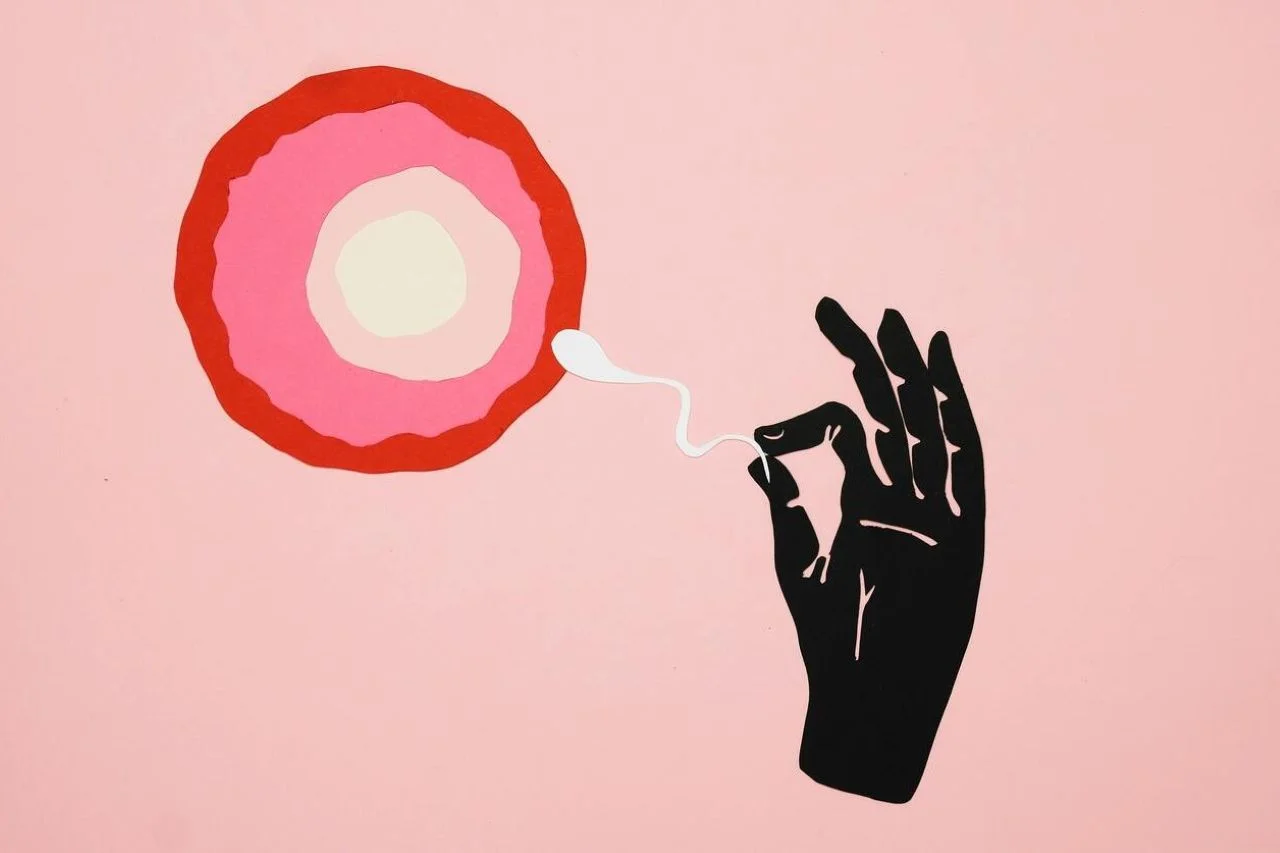
In-vitro gametogenesis: what IVG can do, where its limits lie, and why it has not changed fertility treatment yet
In-vitro gametogenesis, or IVG, is the research effort to create eggs or sperm from stem cells in the laboratory. It sounds like a major answer for people facing severe infertility, but today it remains a research field with serious safety, quality, and ethics questions.

What in-vitro gametogenesis means?
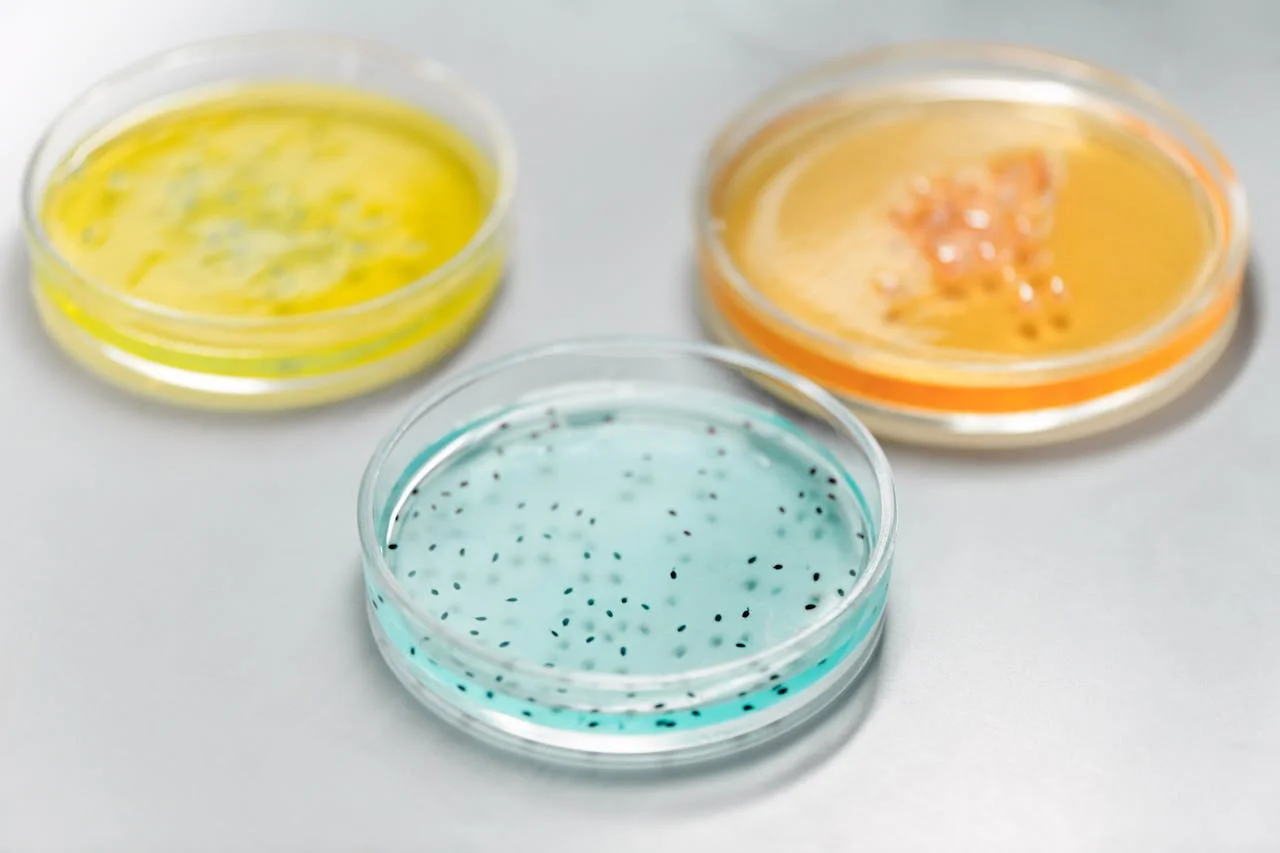
IVG is the attempt to recreate the development of germ cells outside the body. That is not just another IVF variant, but a much more fundamental step: stem cells or reprogrammed body cells are meant to become laboratory-grown cells that behave like eggs or sperm.
That is what makes the topic scientifically exciting and clinically difficult. If such cells could one day be produced safely, consistently, and at scale, reproductive medicine would change in a major way. A recent review of in-vitro derived gametes describes IVG as an early-stage research programme, not as an established clinical procedure. Hum Reprod on stem-cell gametes and clinical introduction
Why so many people are watching IVG?
The appeal of IVG is easy to understand. If people could one day make functional gametes from their own cells, it might open up new options for those without usable eggs or sperm. The topic is also discussed after cancer treatment and in certain inherited causes of infertility.
IVG is also linked in the research discussion to inclusion, fertility loss, and the search for less invasive paths. Stakeholder studies show hope for better access, but also clear concerns about safety, fairness, and affordability. Stem Cell Reports on hopes and concerns around IVG
- People without usable germ cells see it as a possible new reproductive option.
- The research opens new insights into germ cell development.
- The debate also touches inclusion, parenthood, and access to treatment.
- IVG would only matter clinically if safety and regulation are in place.
What the research shows so far?
The current progress lies mainly in a better understanding of the early developmental steps. Modern research has made human germ cell development much easier to study, including through stem cell models, single-cell analysis, and comparison studies with animal models. Nature Reviews Molecular Cell Biology on mechanisms of human germ cell development
That matters because a complex developmental process can only be recreated if its individual steps are understood. Those steps include germ cell specification, re-entry into the right developmental programme, epigenetic programming, and precise chromosome segregation. Only when those processes line up would real clinical use even be imaginable.
For practice, that means the field has produced building blocks, not a finished product. From a reproductive medicine point of view, IVG is still not an everyday tool, but a space where basic research, cell biology, and later translation are still far apart.
Why the path from stem cell to gamete is so long?
When people first hear about IVG, they often imagine a quick laboratory shortcut. In reality, it is a chain of development steps that the body normally controls through many signals, feedback loops, and maturation phases. That is exactly why IVG is so fascinating: it tries not just to create a cell, but to recreate a developmental pathway with precision.
- It starts with a source cell that must first be moved into a suitable stem-cell or precursor state.
- Then the laboratory has to mimic the signals that start germ cell development in the body.
- The cell must not only differentiate, but also reset its epigenetic programme in the right way.
- Only after that comes the actual maturation stage, where the quality of the possible gamete becomes decisive.
- At the end, the question is whether that precursor could ever become a genetically and functionally stable gamete.
That multi-step nature is exactly what makes IVG so compelling for readers. It is not about a single breakthrough, but about recreating one of the most complex biological programmes known.
The biggest hurdles are biological, not semantic
The name sounds simple, but the biology is not. An artificially created germ cell has to do more than just appear. It has to carry the exact properties needed for healthy reproduction.
- Epigenetic programming has to happen correctly so that later development works as expected.
- Chromosomes have to be separated cleanly during maturation.
- The cells have to mature functionally and avoid carrying uncontrolled errors forward.
- The laboratory has to mimic the natural developmental environment closely enough for cells to become truly competent.
- Results have to be reproducible and safe over many cycles, not just in isolated cases.
A review of lab-grown eggs makes the same point: it is not enough to create a cellular precursor. What matters is developing a truly competent gamete. BioEssays on competent lab-grown eggs
What IVG could one day mean for fertility?
If IVG were one day safe and properly regulated, it could expand reproductive medicine. Possible uses include people who no longer have functional gametes, for example after cancer treatment or with certain congenital conditions. The scientific gain for studying male and female infertility would also be substantial.
The literature also discusses scenarios in which IVG could reduce invasive interventions or open new family-building possibilities. For now, though, that remains a future question. A recent review of clinical introduction is explicit that the path from lab idea to responsible use is long, multi-step, and technically demanding. Hum Reprod on the clinical introduction of stem-cell gametes
Anyone dealing with a real fertility decision today should not treat IVG as an available option. It is more useful to focus on established pathways and to see the research for what it is: a glimpse of a possible future, not the answer to today’s treatment.
How IVG differs from IVF, ICSI, and social freezing?
IVG is often mentioned in the same breath as other methods, but biologically it sits one step earlier. IVF and ICSI work with existing eggs and sperm. Social freezing preserves existing germ cells for later. IVG tries to create those germ cells in the laboratory in the first place.
- IVF: egg and sperm are brought together outside the body.
- ICSI: a single sperm is injected directly into the egg.
- Social freezing: eggs or sperm are stored for future use.
- IVG: germ cells are meant to arise from stem cells or reprogrammed body cells.
That is why IVG is not a minor add-on, but a possible technology shift. Once people understand the difference, it becomes easier to see why expectations are high and the barriers are still so large.
Ethics, fairness, and law are part of the topic
IVG is not just a laboratory discussion. If such cells ever become clinically usable gametes, questions of responsibility, regulation, access, origin, parenthood, and social fairness all come into play. That is why the conversation is much broader than a purely technical one.
The field will also be judged by who can benefit from it and who cannot. A technology that only reaches a very small group may make headlines, but it would still fall short of broader medical fairness. That is why concern about unequal access sits right beside the hope for new opportunities.
Important note: legal details are country-specific and can change. In public debate, it is always worth checking whether people are talking about basic research, laboratory-stage work, or an actual clinical use.
How to spot credible IVG claims?
With IVG, it is easy for lab progress and future visions to turn into big promises. A statement is only credible if it clearly separates model work, animal experiments, and clinical use.
- Is the result from a mouse model, a cell model, or human cells?
- Was a mature egg or sperm really created, or only an early precursor?
- Are there data on chromosome stability, epigenetic programming, and long-term safety?
- Was the result reproduced independently or shown only once?
- Is the claim about research, or about an actual clinical treatment?
If a news item suggests IVG will soon be a standard treatment, caution is warranted. The literature is exciting, but it is still far from routine clinical use.
What this means for current fertility treatment?
For people with a current fertility decision, IVG is not an immediate help. It makes more sense to know the established options and compare them carefully based on the situation. That includes IVF, ICSI, social freezing, and, where medically appropriate, egg donation.
If you are making a decision now, the practical question is simple: which method is established today, what are its realistic chances, and what is the next sensible step in your case? IVG is still too far from the clinic to serve that role.
Myths and facts about in-vitro gametogenesis
- Myth: IVG is already a normal treatment. Fact: IVG is still a research field, not a routine clinical option.
- Myth: If stem cells become germ cells, that is automatically safe. Fact: safety depends on maturation, chromosome stability, epigenetic programming, and reproducibility.
- Myth: IVG will simply replace IVF. Fact: even if IVG becomes clinically useful, it is still unclear for whom and in what form.
- Myth: The technology will solve every form of infertility. Fact: many causes of fertility problems will not disappear because of it.
- Myth: The legal situation is the same everywhere. Fact: approval and later use depend heavily on the country and its rules.
Conclusion
In-vitro gametogenesis is one of the most exciting research topics in reproductive medicine, but it is still not a clinical standard. If you understand the topic, you can see both sides at once: the huge potential and the clear limits. For fertility decisions today, established treatments, careful diagnosis, and realistic counselling still matter most. IVG remains a look at the next generation of medicine, not the answer of today.
Further reading
These articles place IVG in the context of established fertility options and possible future paths.