The Stork Myth: Why Do People Say Storks Bring Babies?
Why do people say storks bring babies? The answer is cultural, not biological. Their visible nests near homes, return in spring, and links with water, good fortune, and renewal gave adults a gentle way to answer a child's big question. The phrase remains familiar in Canada, even to people who do not know the older European folklore. The same imagery later inspired the name RattleStork.

At a glance
- The stork that brings babies comes from European folklore and remains familiar in fairy tales and birth celebrations.
- Klapperstorch is a German name for the white stork that refers to the bird's distinctive beak-clattering.
- Children can enjoy the stork story as a fairy tale and receive honest, age-appropriate answers about their origins.
- RattleStork takes its inspiration from the German stork legend and is a brand name, not a standard English translation of Klapperstorch.
What do we mean by the stork?
The baby-bringing stork is not a separate species, but a cultural role attached to the white stork. In German, the traditional name Klapperstorch comes from a very concrete behaviour: storks clatter their beaks, especially at the nest. Over time, that sound became a nickname, and the nickname became a character. For current dictionary usage of the German term, Duden is a reliable reference. Duden: Klapperstorch
This is why the stork works so well as a figure. It is easy to picture, easy to draw, and easy for children to recognize at a glance. The bird becomes more than an animal; it becomes a symbol.
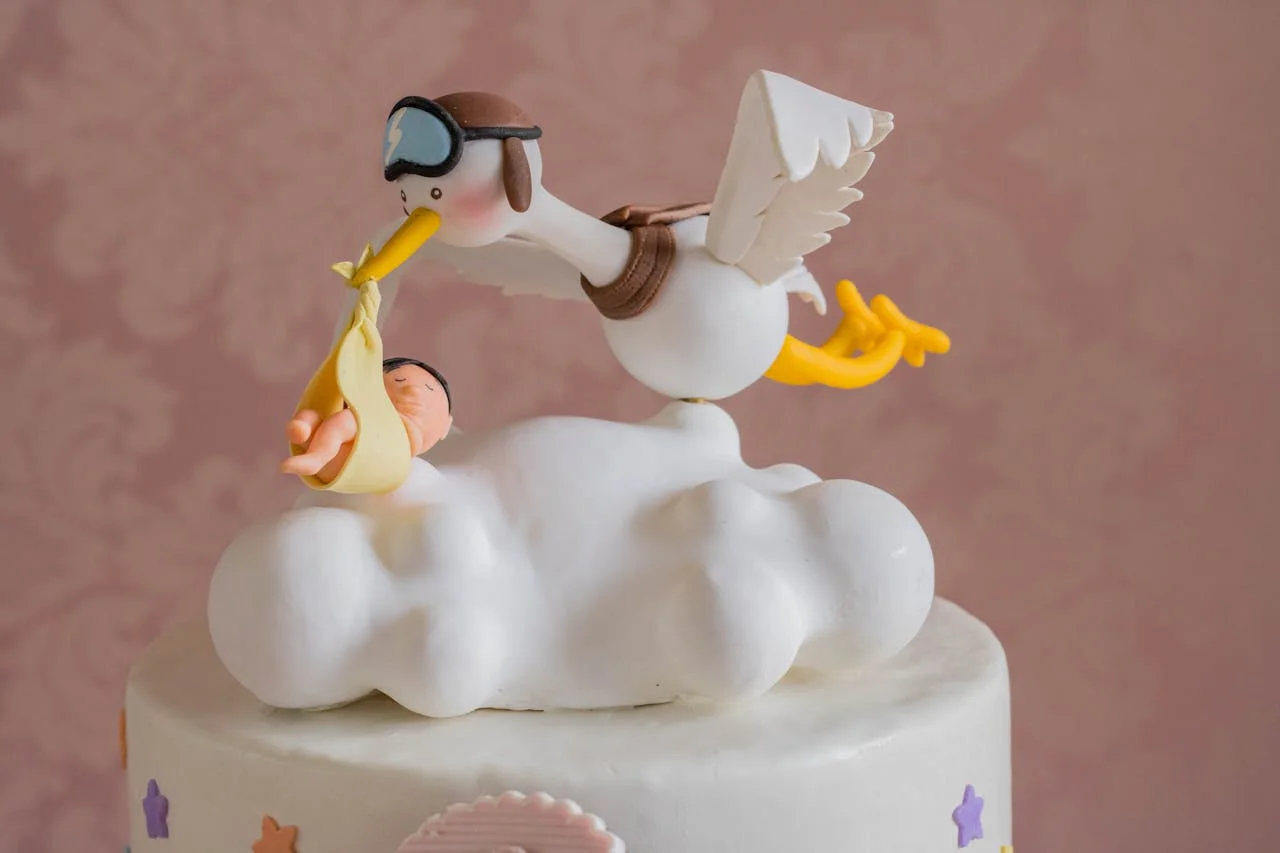
If you want the meaning in one sentence, this is it: in the baby myth, the stork means arrival. It is a visual stand-in for the message that a new baby has arrived, without explaining pregnancy or sex.
Why did adults tell children the stork story?
Children ask direct questions early on: where do babies come from? For a long time, pregnancy and sexuality were not openly discussed in many families, often out of modesty, privacy, or uncertainty about how to explain things in an age-appropriate way. The stork story gave adults a socially acceptable answer: gentle, reassuring, and free of details that might overwhelm a child.
Why the stork story works
- It offered a simple, memorable image in response to a difficult question.
- It allowed adults to avoid conversations about pregnancy and sexuality.
- Today, it can open a conversation as a fairy tale, but it does not replace honest answers.
Children can receive honest answers about their origins from the start, with explanations suited to their age. The stork story can still be enjoyed as a fairy tale. For guidance on factual sexuality education, see the WHO Regional Office for Europe & BZgA: Standards for Sexuality Education in Europe, PDF
If you want to move from the symbol to an open, age-appropriate explanation, our guide on explaining origin and family stories to children is a good next step.
Why this explanation lasted so long
The stork story endures because it is concrete rather than abstract. A large bird on a roof is something people can see. A bird carrying a bundle is easy to imagine. Myths that last usually rely on strong, memorable images, and the stork provides exactly that.
Why a stork of all animals?
For centuries, storks were close neighbours in much of Europe. Their nests sat high and visible on rooftops, chimneys, and platforms. People could see them from their windows, hear their beak-clattering, and watch them return year after year. For storytelling, this was ideal: the symbol quite literally hovered above the home.
The core building blocks of the stork story
- A nest on the house as a visible sign of home and family.
- The stork’s return in spring as a symbol of renewal.
- A striking silhouette that children recognize instantly.
- Beak-clattering as a memorable sound cue.
If you want to understand the animal behind the symbol, official conservation sources describe the white stork’s habitat, behaviour, and characteristic beak-clattering. German Federal Agency for Nature Conservation (BfN): White stork profile
What the stork symbolizes
In everyday symbolism, the stork usually represents family, new beginnings, and good news. This symbolism is not arbitrary; it developed from repeated observation: nesting near homes, seasonal return, and high visibility in open landscapes.
Water, frogs, and fertility symbols
White storks often feed in wetlands and near water. This fits neatly into an old storytelling pattern: water represents origin, transition, and renewal in many cultures. What begins as observation of nature becomes symbolism, and symbolism turns into narrative.
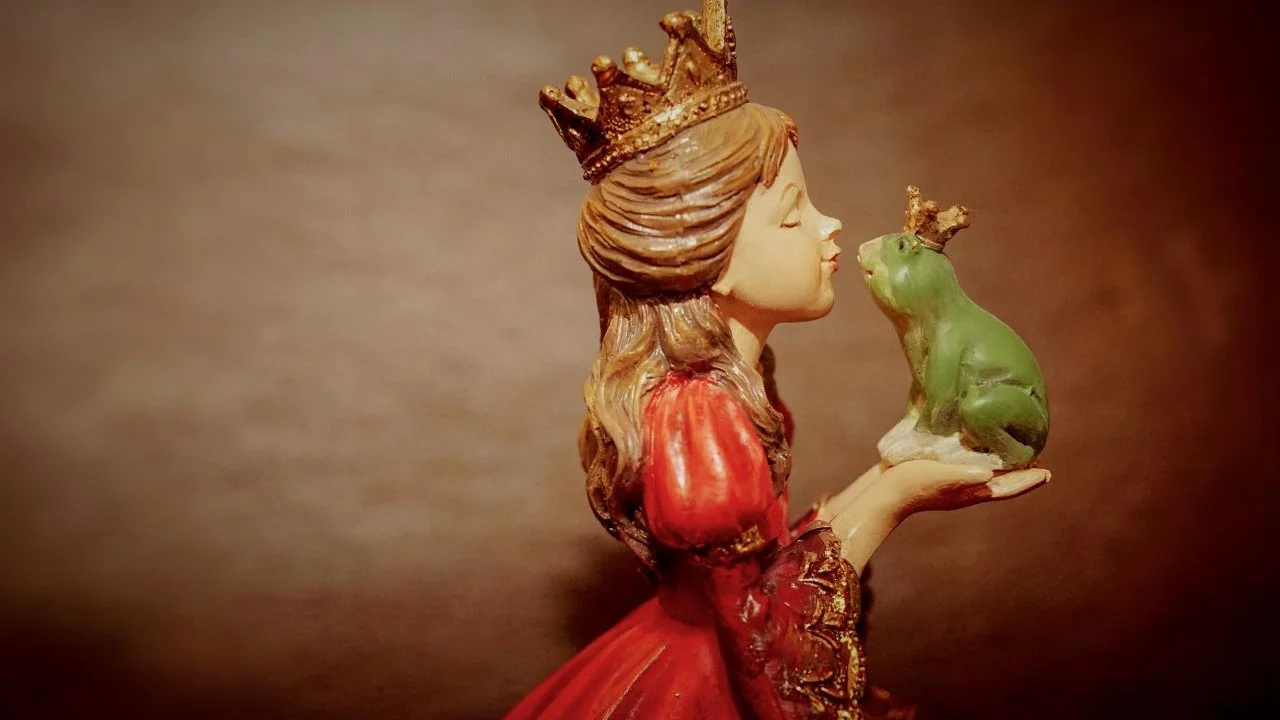
Water imagery works because it creates meaning without turning the conversation into biology. It sets a tone rather than explaining mechanics, allowing families to keep the topic gentle and private.
Why water appears so often in stories
- It stands for beginnings and transitions, not anatomy.
- It is widely understood across cultures.
- It connects to everyday experiences like ponds, fields, spring, and returning animals.
Children found in the water
The idea that new life emerges from water appears in many traditions, including the Bible. One well-known image is baby Moses in a basket among the reeds of the Nile, protected until he is found. Water here is not an explanation, but a threshold between the unknown and life.
Where the baby-carrying stork image may have started
There is no single origin story. Common explanations point to a mix of European folk beliefs, older mythological themes, and later reinforcement through illustration and mass media. One frequently cited overview connects the motif to earlier myth traditions involving birds and children. Live Science: What’s behind the myth that storks deliver babies?
The stork in medieval symbolism
In medieval Europe, the stork was often treated as a symbol of purity, loyalty, and fertility. At the same time, humorous sayings circulated, such as being bitten by the stork as a way of saying a baby was on the way. Humour was always part of the motif, which helped it spread and endure.
Adebar: a bearer of good fortune
Adebar is an old German name for the stork that appears in folklore and poetic language. The exact etymology is debated, but in popular tradition it aligns well with the stork’s role as a messenger of good news.
This is why storks still appear as birth symbols today. A wooden stork placed on a lawn or near a home is not an explanation, but a visible way to congratulate a family.
How the stork entered global pop culture
The stork’s presence in films, cartoons, and video games worldwide is no accident. It is instantly recognizable, culturally positive in many places, and communicates the idea of a new baby without words. That makes it ideal for visual storytelling.
How the motif spread
- 1839: Hans Christian Andersen uses the motif in The Storks, helping spread it through literature.
- 19th century: Fairy tales are collected, printed, and translated, stabilizing the stork as a baby-bringer.
- Late 19th to early 20th century: Postcards and birth announcements standardize the image of a stork carrying a bundled baby.
- 1941: Dumbo introduces the stork delivery scene to a wide cinema audience.
- 1946: Baby Bottleneck turns the idea into a satire about baby delivery logistics.
- 1995: Super Mario World 2: Yoshi’s Island opens with a stork transporting Baby Mario.
- 2016: Storks makes the legend itself the central plot of an animated film.
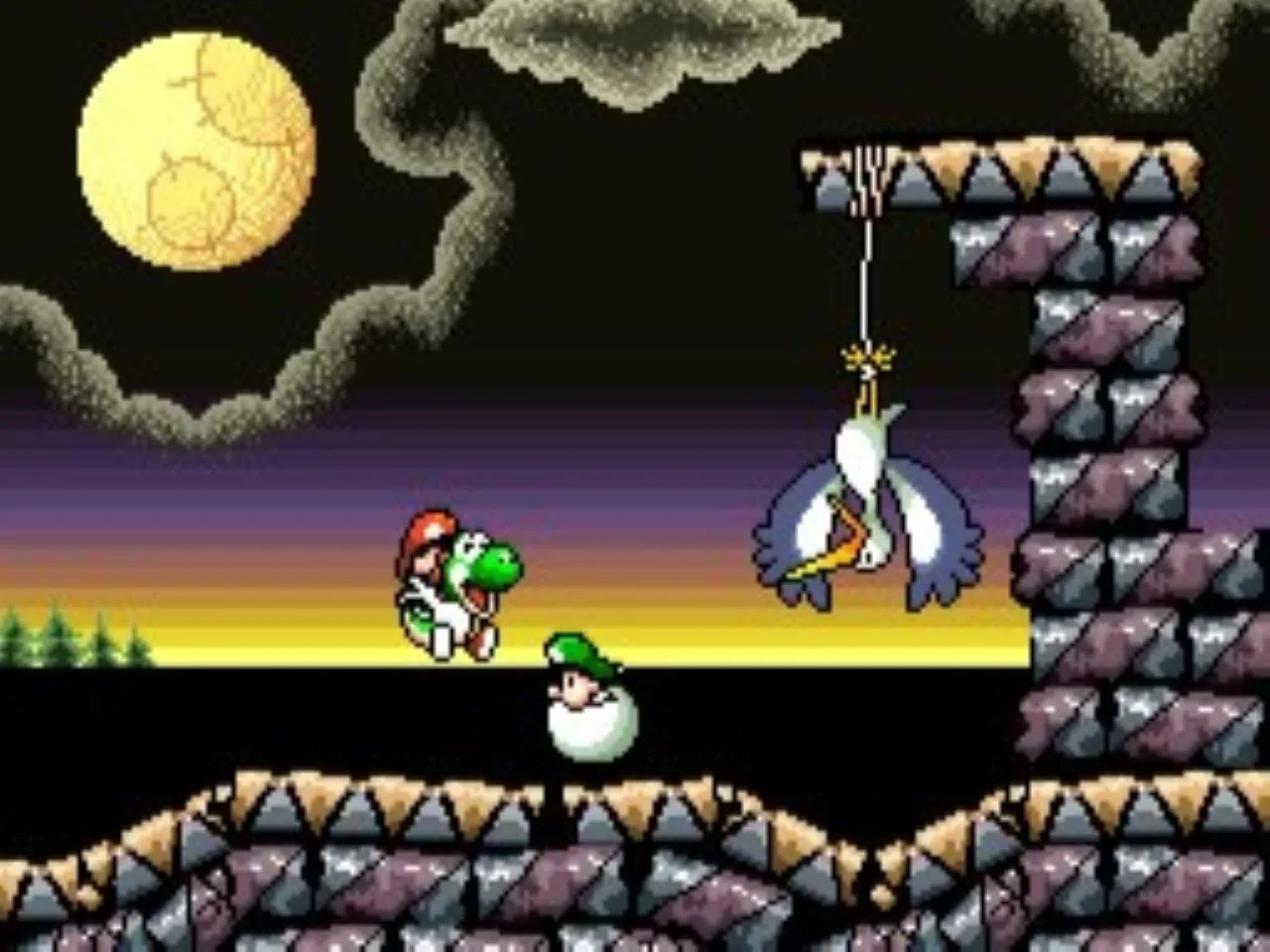
These depictions work because they cross language and culture. Even people unfamiliar with the original folklore usually understand what the stork represents within moments.
From Klapperstorch to RattleStork
The legend travels well, but the German word Klapperstorch is unusually specific. It combines klappern, “to clatter,” with Storch, “stork,” and echoes the bird’s real beak-clattering. A literal translation quickly loses the sound, wink, and character that make the original memorable.
RattleStork is not a dictionary translation. It is a standalone name for the app and company, inspired by the German figure while remaining distinctive in English.
The idea behind the name matters more than a word-for-word match: a familiar image of family-building and a new beginning. For the non-fairytale side of origin stories, read the history of sperm donation.

Conclusion
Why does the stork bring babies? Its nests were visible above rooftops, its return in spring suggested renewal, and the story offered a gentle answer to a child's big question. The result is not a biological explanation, but a piece of cultural history: the baby-bringing stork.
Keep reading
For more about modern origin and family stories, continue with these two articles.