Do I have an STI? How to get clarity after sex, a hookup, or a condom slip
When worry hits after sex, a symptom quiz will not help, but a clear plan will. This article shows you how to assess risk realistically, make sense of symptoms, and time testing so you actually get answers.


First, breathe: anxiety is common, not a diagnosis
After a new partner or a condom slip, your mind can jump into alarm mode. Suddenly every sensation feels suspicious. Many people google symptoms, find worst-case lists, and feel even more anxious.
The problem is that STIs are often symptom-free at first, and many symptoms after sex are non-specific. So you will not get reliable clarity from symptom searching or reassurance threads. What helps is a simple plan.
What people usually mean by “sexually transmitted disease”?
Most of the time, people mean sexually transmitted infections, or STIs. That includes bacterial infections like chlamydia, gonorrhea, and syphilis, and viral infections like HIV, hepatitis, or HPV.
Many STIs are treatable, some are curable, and others can be managed very well. For a calm overview, see WHO: Sexually transmitted infections (STIs).
60-second check: how risky was it really?
You do not need every detail, you need the decisive points. Answer these questions honestly and the situation usually becomes much clearer.
- Was there vaginal or anal sex without a condom the entire time?
- Was there oral sex with contact with semen or vaginal fluids?
- Were there visible cuts, blood, or very rough friction?
- Do you have new symptoms that are getting worse or not improving after a day or two?
- Are you mainly looking for reassurance, or do you need a clear medical decision?
The more yes answers you have, the more it makes sense to plan actively. If hardly any point applies, an STI is often less likely, and the focus can shift more toward irritation, bladder issues, or a microbiome imbalance.
Symptoms after sex: common causes that are not STIs
Many symptoms show up exactly when you pay close attention. On top of that, sex can irritate mucous membranes, shift the microbiome, and cause tiny injuries, even without an infection.
Irritation and tiny tears
Burning, mild redness, or a sore feeling right after sex is often friction, dryness, or a new activity. It can feel scary, but it is not automatically an STI sign.
Bladder and urinary tract
If burning with urination and frequent urgency are the main symptoms, a urinary tract infection may be more likely than an STI. For first orientation, see Bladder pain after sex.
Microbiome changes, yeast, bacterial shifts
Itching, discharge, or odour is often yeast or a shifted vaginal microbiome. That can also happen after stress, new products, or sex. For orientation, see Discharge.
Reaction to products
New condoms, lube, or scented products can irritate sensitive tissue. If symptoms keep happening after a specific product, switching to a gentle, fragrance-free option can help.
Situations that more often mean a real STI risk
Risk is not the same as a diagnosis. But there are situations where testing or medical advice is more often useful than in others.
Unprotected vaginal or anal sex
If there was no barrier protection throughout, testing can make sense even if you have no symptoms. Many bacterial infections stay unnoticed at first.
A condom tore or slipped
Then the time without protection counts. The risk is often smaller than it feels, but a clear plan helps: what is time-critical, what can wait, and when is a test actually informative?
Oral sex without protection
Oral sex can transmit infections, and the throat can be affected. If you get mouth or throat symptoms afterward or you have frequent new partners, it can belong in your testing plan. If you are specifically wondering about oral sex and STIs, see Can you get sick from a blowjob?.
Contact with visible wounds or blood
If there was blood or you had open sores, getting medical advice sooner is a good idea. This is especially true if you believe HIV could realistically be an issue.
Skin contact outside the condom area
Condoms reduce the risk of many STIs a lot. They do not protect perfectly in every scenario from infections that can spread through skin contact. That does not mean condoms are useless, it means prevention sometimes needs more than one tool. A short overview is available at NHS: Condoms.
What you can do right now: a calm plan instead of spiraling?
- Stop endless symptom googling. Instead, write down the date, what happened, and whether there was a mishap.
- Use protection consistently from now on until you have clarity. That prevents new worries.
- If pregnancy is possible and protection failed, look into emergency contraception promptly. A starting point is Morning-after pill.
- If you believe there was a relevant HIV exposure, get medical advice immediately. There is HIV post-exposure prophylaxis that should be started as soon as possible and no later than 72 hours after exposure.
For details on HIV post-exposure prophylaxis, see CDC: nPEP recommendations (2025).
Testing without guesswork: how to plan it
STI testing is not just one standard test. Depending on what happened, different body sites matter. And some tests are not very reliable immediately after sex. A good plan combines test type, timing, and sometimes a repeat test.
What tests are typically used
- Urine or a swab for some bacterial infections, depending on the site
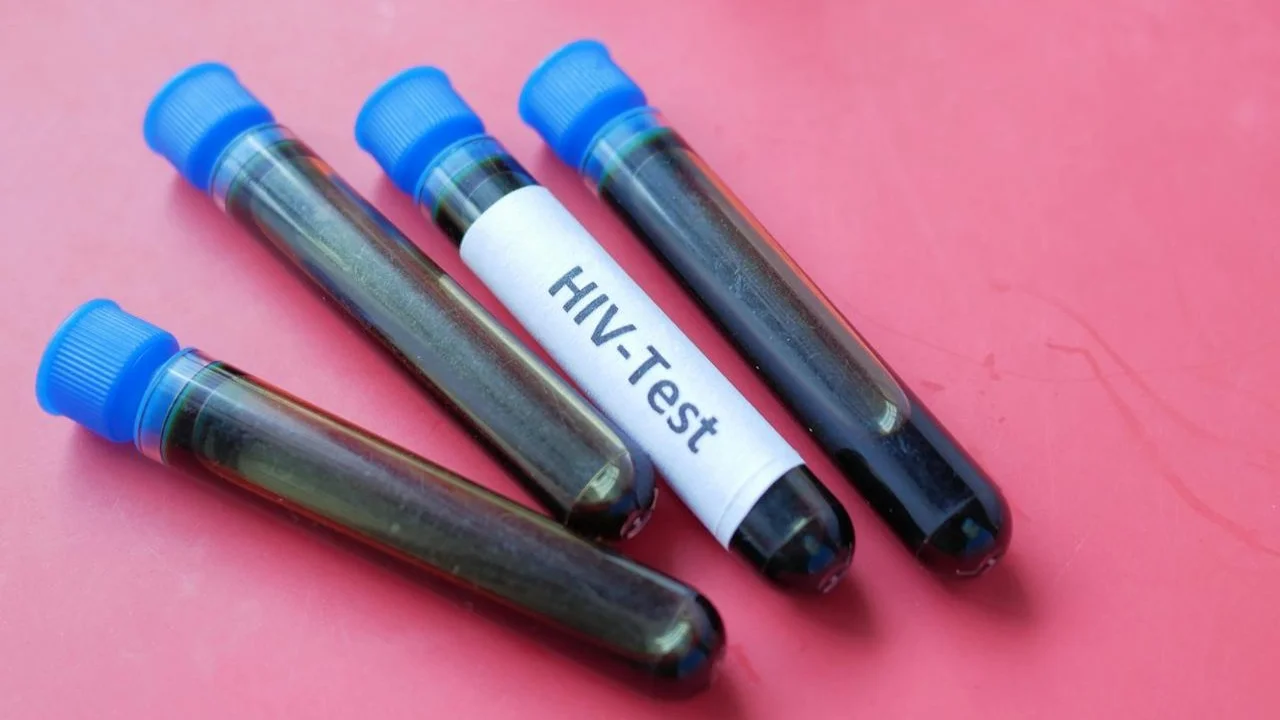
- Blood tests for certain infections like HIV or syphilis
- Throat or rectal swabs if those sites were involved
Why timing matters
A negative result can be reassuring, but testing too early can look negative even though there is not enough to detect yet. In practice, that often means: test when it is meaningful, and repeat later if recommended.
What to say at a clinic
You do not need a long story. One sentence is enough: date, type of sex, condom yes or no. Then a clinician at a family doctor’s office or a walk-in clinic can tell you which tests make sense now and whether a repeat test is advised later.
A good overview of who should get tested and common testing approaches is CDC: Getting Tested for STIs.
If you have frequent risks
If unprotected situations happen repeatedly, prevention is often a better long-term answer than repeating the same fear cycle. Depending on your situation, PrEP may be worth looking into.
Until you know: what makes sense for sex?
Until results are back or symptoms are clarified, it is often less stressful to protect consistently or choose sex that will not trigger new worries afterward.
- If you have sex, use condoms reliably and correctly.
- If you have significant symptoms, sores, or blisters, a pause is often best until it is checked.
- If oral sex was involved and you develop throat symptoms, mention it when planning testing.
How to bring it up without drama?
The conversation often feels harder than the test. It gets easier when you frame it as health planning, not blame.
- I want to sort this out calmly and I am planning a test. How do you handle it?
- Have you had testing recently or a diagnosis I should know about?
- Until things are clear, I would only have sex with a condom. Does that work for you?
You do not owe anyone details. But you can set clear boundaries if safety matters to you.
When to seek medical help or advice?
Get support if symptoms are new and persistent, if you have severe pain, or if you cannot calm down after an unprotected encounter. It is especially important to get checked for pelvic pain, fever, severe pain with urination, visible sores or blisters, noticeable skin changes, or if you are pregnant or might be.
Even without symptoms, testing can make sense after unprotected sex with a new partner or if you simply need clarity. That is not overreacting, it is normal health care.
Conclusion
If the fear of an STI shows up after sex, a plan beats panic: assess the situation, act fast on time-critical issues, plan testing well, and use protection until you have clarity.
If you want to keep reading
These articles match your question and can help with the next steps.