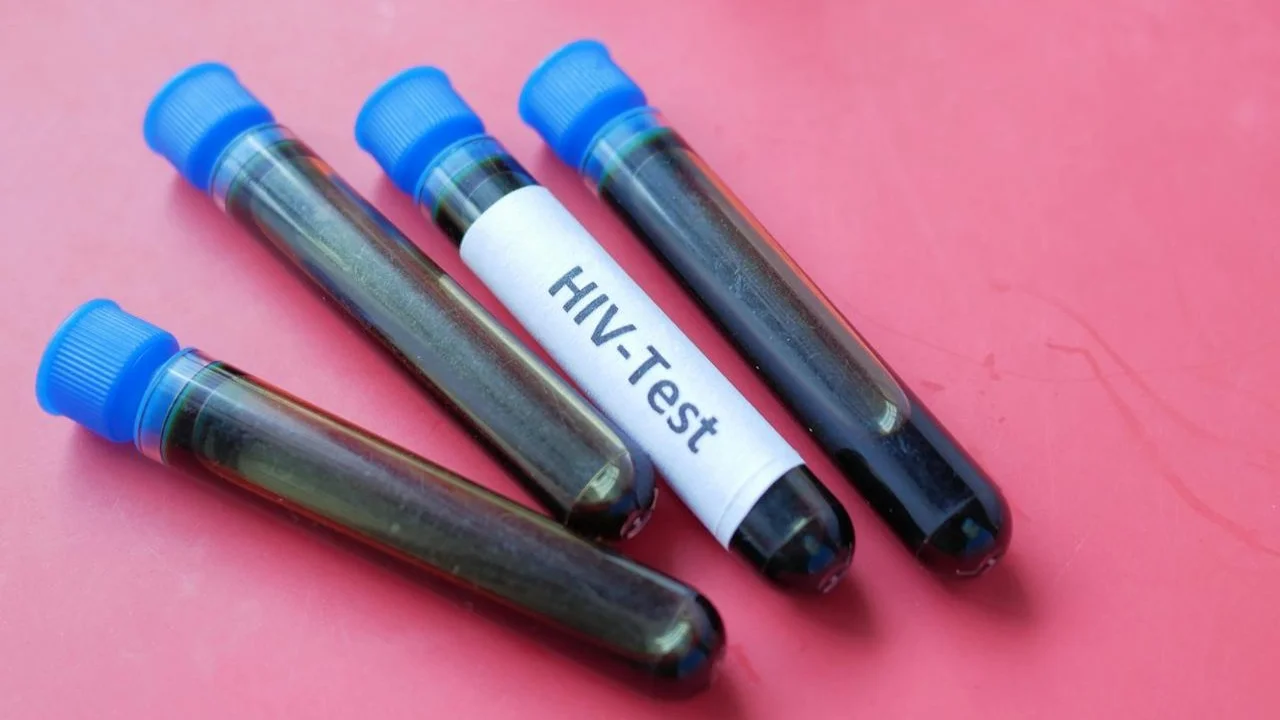
STIs from Blowjobs: What the Real Risk Is and How to Protect Yourself
You can get a sexually transmitted infection from a blowjob. The risk is often lower than with vaginal or anal sex, but it is not automatically zero. What matters most is where the infection is, whether there are sores or irritated tissue, and whether infectious fluids are involved. This guide explains the real risks without panic and without false reassurance.


The Short Version
Yes, STIs can be passed on during a blowjob. Contact between mucous membranes, tiny cuts in the mouth or on genital skin, visible or invisible sores, and contact with infectious fluids can all matter.
That does not mean every situation is equally risky. Oral sex is not automatically high risk, but it is also not a magically safe zone where protection and testing never matter.
How STIs Spread During Blowjobs?
Many infections are not spread by saliva alone. The bigger factors are direct contact with mucous membranes, irritated skin, semen, pre-cum, blood, or inflamed tissue. That is why mouth sores, bleeding gums, canker sores, and freshly irritated tissue matter more than many people think.
The CDC clearly states that oral sex can spread STIs. Infections can affect the mouth and throat or the penis and urethra, often without obvious symptoms right away. CDC: STI Risk and Oral Sex
Canada’s public health guidance also treats oral contact as part of STI risk and prevention discussions, especially for HPV and other infections that can affect the mouth and throat. Canada.ca: HPV and Oral Risk Information
Who Is at Risk During a Blowjob?
Both people can be at risk. The person giving oral sex has contact with the penis, glans, genital skin, and fluids. The person receiving oral sex has contact with the other person’s mouth, saliva, throat, and any sores or inflammation there.
So the key question is not just who is giving and who is receiving. The key question is where the infection is located. A throat infection can be passed on, and so can an infection on the penis, foreskin, glans, or in the urethra.
Which STIs Matter Most in Real Life?
Not every STI behaves the same way. In everyday life, the ones that matter most are the infections that spread well through skin contact, mucous membrane contact, or infectious fluids.
Gonorrhea and Chlamydia
Both can infect the throat and stay there without causing obvious symptoms. That is one reason they matter so much during oral sex. If you notice throat symptoms, discharge, or burning with urination after oral sex, it is worth thinking beyond irritation or a random cold.
If you want a calmer overview of the topic, the guide on chlamydia, symptoms, and testing can help.
Syphilis and Herpes
Syphilis and herpes become especially relevant when sores, blisters, ulcers, or irritated areas are involved. The problem is that these changes are easy to miss or explain away.
HPV and Hepatitis B
HPV is extremely common and often underestimated because many infections cause no immediate symptoms. Hepatitis B can also be sexually transmitted. For both of these, prevention matters more than panic, and vaccination is a real tool.
Canada’s sexual health information also notes that HPV can affect the mouth and throat, not just the genital area. Canada.ca: Human Papillomavirus
HIV from Blowjobs: Why the Fear Is Often Bigger Than the Actual Risk
For many people, HIV is the first thing that comes to mind during oral sex. The medical picture is more nuanced. The overall risk is considered low to very low, but low is not the same as impossible. Blood contact, obvious mouth injuries, and exposure to infectious fluid under unfavourable conditions matter the most.
HIV.gov explains that oral sex carries much less risk than vaginal or anal sex. Saliva alone does not transmit HIV. And if a person with HIV is on effective treatment and has a durably undetectable viral load, HIV is not passed on through sex. HIV.gov: How Is HIV Transmitted
If HIV is your main concern, it helps to understand when an HIV rapid test actually makes sense and when it is still too early.
What Raises the Risk During a Blowjob?
- mouth sores, canker sores, bleeding gums, or recently irritated tissue
- visible skin changes, inflammation, or wounds on the penis or glans
- contact with blood
- ejaculation in the mouth when the mouth lining is irritated or injured
- new or multiple partners without clear conversations about symptoms, testing, and protection
- assuming that no symptoms means no infection
A common real-life mistake is underestimating irritation in the mouth. Aggressive brushing, flossing right before sex, or a fresh mouth injury are not tiny details to ignore.
Protection That Actually Works in Real Life
Protection does not have to feel clinical or moralizing. It just needs to fit the situation and lower uncertainty.
- Condoms lower risk significantly, especially for infections spread through sexual fluids.
- If something is sore, inflamed, or visibly irritated in the mouth or on the genitals, taking a break is often the best choice.
- HPV and hepatitis B are two areas where vaccination can make a real difference.
- Testing after a condom failure or before a new sexual setup gives more clarity than vague reassurance.
- Conversations about protection usually go better before sex than in the middle of a tense moment.
If a condom slips off or breaks, the next step is not blame. It is a clear assessment of pregnancy and STI risk. That is where the guide on what to do after a condom problem can help.
Do Not Forget HPV and Hepatitis B?
Many people focus only on HIV during oral sex. In practice, other prevention topics are often more useful to address early, especially HPV and hepatitis B.
For HPV, vaccination is the biggest preventive tool. Canadian public health guidance explains that HPV can affect the mouth and throat and that prevention matters even when symptoms are absent. Canada.ca: HPV Prevention and Risks
Hepatitis B is another area where vaccine status matters more than guessing later about one specific encounter.
When Testing After Oral Sex Makes Sense?
Testing makes sense especially when symptoms show up, when there was a condom failure, when a new partner is involved, or when you both want more clarity before having unprotected sex. The location of contact matters. Depending on the situation, a throat swab may be more relevant than testing somewhere else.
Many throat infections cause few or no symptoms. That is one reason oral gonorrhea and chlamydia are easy to miss if you only wait for obvious signs.
If there is an acute HIV concern involving blood contact or a clearly higher-risk situation, this is not something to crowdsource online. The CDC describes PEP as an emergency option that needs to be started no later than 72 hours after a qualifying exposure. CDC: Preventing HIV with PEP
Warning Signs After Oral Sex That Should Not Be Ignored
Not every symptom means an STI. But some signs are strong reasons not to just wait and hope.
- unusual discharge from the penis or urethra
- burning when you pee
- new blisters, sores, or painful spots on the lips, mouth, or genitals
- throat pain after a risk situation that is hard to explain in another way
- rash, fever, or swollen lymph nodes together with a possible exposure
These symptoms do not prove one specific diagnosis, but they are good reasons to stop self-reassuring and get checked.
What Symptoms Cannot Tell You on Their Own?
A scratchy throat after oral sex is not automatically an STI. But the absence of throat symptoms is not proof that everything is fine either. The same goes for burning, mild discharge, redness, or small skin changes.
The safer way to think about it is simple: take symptoms seriously, do not talk yourself out of visible changes, and when in doubt get tested or checked rather than trying to diagnose yourself from one symptom.
If you also want the female oral-sex version of this topic, the guide on STIs from oral sex on a vulva covers the same logic for cunnilingus.
Myths and Facts About STIs from Blowjobs
- Myth: Oral sex is automatically safe. Fact: The risk is often lower, but it is not zero.
- Myth: Only the person giving the blowjob can get infected. Fact: Both people can be affected depending on where the infection is.
- Myth: If nothing looks wrong, everything is fine. Fact: Many STIs in the throat or early stages cause few or no obvious symptoms.
- Myth: HIV is always the main issue with blowjobs. Fact: In everyday life, other STIs are often more relevant than HIV.
- Myth: Saliva itself is what makes blowjobs dangerous. Fact: The bigger issues are mucous membrane contact, sores, blood, and infectious fluids.
- Myth: Mouthwash makes oral sex safe. Fact: Mouthwash does not replace protection or testing.
- Myth: A steady partner automatically means no risk. Fact: Risk depends on actual sexual contacts, symptoms, testing, and agreements.
- Myth: Condoms are overkill for oral sex. Fact: They can lower risk a lot and are a reasonable protection option.
- Myth: Bleeding gums are just a tiny detail. Fact: Irritated mouth tissue is a plausible risk factor and belongs in the risk assessment.
- Myth: If nothing happens right away, the encounter was safe. Fact: Many infections show up later or never cause clear symptoms at all.
Bottom Line
STIs can be spread during a blowjob. The situation is usually less dramatic than many people fear, but much less harmless than the idea that nothing happens during oral sex. A realistic approach means paying attention to symptoms and sores, not mocking protection, using vaccines when relevant, and getting tested after a condom failure or when something feels off.
Keep Reading
More on infection risks and planning testing after oral sex.