Vasectomy: procedure, how it works, risks, and follow-up
A vasectomy is a small surgical procedure for permanent birth control. This article explains why people choose it, how the procedure is done, what happens after, and what to think about if you may want children later.

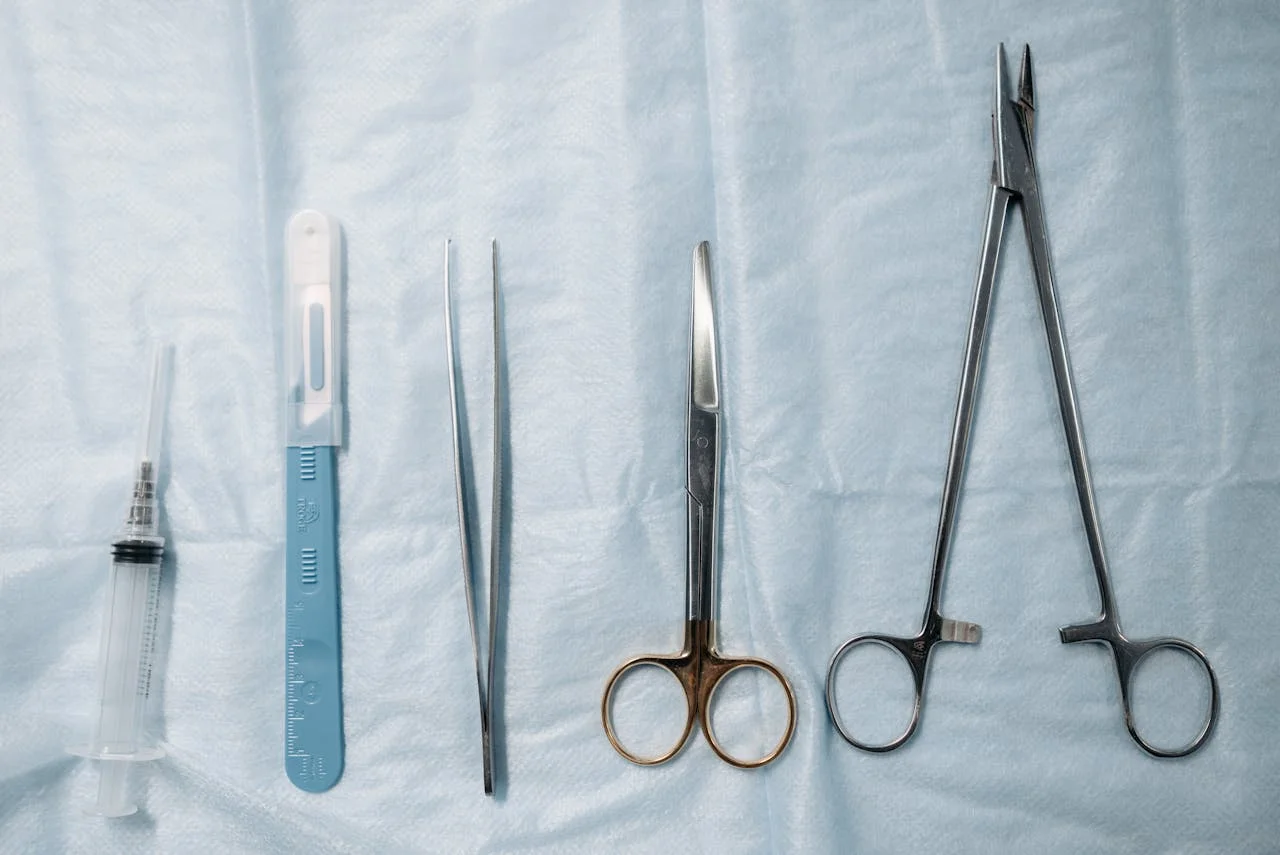
Quick overview
- A vasectomy blocks the path of sperm into the semen and is meant as permanent contraception.
- The procedure is usually done with local anesthetic and can be performed as an outpatient procedure.
- You are not protected right away after the operation. You must keep using contraception until you are cleared.
- Ejaculation still happens, but later it normally contains no sperm.
- If you might want children later, fertility restoration or a fertility treatment with ICSI are possible options.
Why many people choose a vasectomy?
The decision is rarely about one single reason. Most people are looking for less day-to-day effort, clear family planning, and a contraception method that does not have to be thought through again every month.
- No more daily or cycle-based birth control to organize.
- More peace of mind because pregnancy is dealt with long term.
- No hormones needed as the contraception solution.
- Less coordination in couple life when both people support the same decision.
That is why many people experience vasectomy not as a big event, but as a small operation with a major effect on everyday life. Medically it is short; organisationally it still deserves careful thought.
What is a vasectomy?
In a vasectomy, the vas deferens are interrupted so sperm can no longer enter the semen. The testes continue to make sperm, but the sperm are no longer transported out through the usual route. NHS: What happens during a vasectomy
The important point is expectation: vasectomy is intended as permanent contraception. It is not designed so that it can simply be reversed later without a separate procedure. You still ejaculate, and for many people day to day life changes less than the name of the operation might suggest. NHS: Patient information on vasectomy
What should be clarified before the procedure?
- Decision certainty: vasectomy is meant to be permanent, so the wish should be stable.
- Health and medication: existing conditions, bleeding risks, and regular medication should be discussed.
- Follow-up: you should know when the semen test is planned and how long you must keep using contraception.
- Later family plans: if you are not sure, talk first about vasectomy reversal and ICSI.
A good consultation takes the decision seriously without making it sound dramatic. That is exactly what the current AUA guidelines on vasectomy and fertility restoration are for. AUA Guideline Part I and AUA Guideline Part II
How does the procedure work?
- Local anesthetic: the scrotum is numbed so the procedure is usually not painful.
- Small access: the skin is opened or punctured only slightly, depending on the technique.
- Blocking the vas deferens: the vas deferens are cut or sealed so sperm can no longer pass through.
- Closure: the small access is closed again, often with fine stitches or without a visible stitch.
Many procedures are done as outpatient treatment. The goal is always the same: sperm should no longer reach the semen. How quickly you feel back to normal depends mostly on your own healing and the advice of the team treating you.
Which technique and occlusion methods are used?
Experienced centers often use minimally invasive access techniques, usually without a classic scalpel incision. For occlusion, different methods are used depending on the center, for example cautery, ligation, or a combination with fascial interposition. Which option is used in your case depends on the center and the team's experience. Evidence-based vasectomy techniques
For you, the name of the method matters less than the result: the vas deferens must be blocked reliably, and the follow-up test must later be read correctly. That combination is what makes vasectomy so reliable in practice.
What is normal in the first few days?
- Mild pulling or a pressure feeling in the scrotum.
- Temporary swelling or a small bruise.
- More sensitivity when sitting, walking, or wearing tight clothing.
- A few days of taking it easier, especially if your work is physical.
In this phase, rest is usually preferred over strain. If symptoms get clearly worse instead of better, if fever appears, or if the wound looks abnormal, it should be checked by a doctor.
When does the vasectomy work?
The vasectomy does not work immediately. After the operation, sperm can still remain in the system, so you must keep using other contraception until you are medically cleared. AUA Guideline Part I
Follow-up testing is often done after several weeks, commonly around 8 to 16 weeks after the procedure. A fresh, uncentrifuged sample is considered successful if it shows no sperm, or only rare non-motile sperm, or fewer than 100,000 non-motile sperm per milliliter. PVSA review
Practically, that means: do not go by how it feels, wait for the clearance. That is exactly what the follow-up semen analysis is for.
How safe is the method?
Vasectomy is one of the most reliable contraception methods. Protection is very high, but not immediate and not absolute. That is why the procedure itself is not the only important part; the follow-up matters just as much.
In rare cases, the vas deferens can reconnect later. That is why the follow-up analysis remains important even if the procedure itself felt straightforward. The current literature describes vasectomy as highly effective, but not as a method without exceptions. NHS: Risks, effectiveness, and follow-up PVSA review
In practice, the method works best when the operation is done properly and the clearance after the sperm test is taken seriously. That is where most misunderstandings happen, not in the procedure itself.
What risks and side effects are there?
- Temporary pain, swelling, or bruising.
- Wound healing problems or an infection.
- Rare ongoing pain in the scrotum or around the vas deferens.
- Very rare later reconnection of the vas deferens.
A special form of ongoing discomfort is post-vasectomy pain syndrome. It is rare, but real, and should not be played down. Large international data also show that infections after vasectomy are uncommon, roughly around 1 percent. Mayo Clinic: Post-vasectomy pain syndrome Infection risk after vasectomy
Does a vasectomy change testosterone, libido, or sex?
A vasectomy does not change hormone levels or sexual function. Erections still happen, libido remains, and ejaculation still works. The visible difference is mainly that semen later no longer contains sperm. NHS: Sex after vasectomy
Many misunderstandings come from mixing up contraception and fertility. A vasectomy does not change sexual experience itself; it changes the path of the sperm.
Myths and facts
- Myth: you are infertile immediately after the vasectomy. Fact: only the follow-up test shows whether the method is effective.
- Myth: vasectomy changes testosterone or libido. Fact: it is a contraception procedure, not a hormone procedure.
- Myth: sex is over after the operation. Fact: erections, desire, and ejaculation usually stay the same.
- Myth: vasectomy protects against STI. Fact: you still need protection against sexually transmitted infections.
Who should think it through especially carefully?
Careful counseling is especially important if you are uncertain about wanting children later, are going through a major life change, or feel pushed into the procedure. More time to think is also sensible if you are very young or have not fully accepted the permanent nature of the decision.
That does not mean the procedure is ruled out for these groups. It only means the decision should be made consciously, calmly, and without pressure. That reduces later regret far better than any rushed decision.
If you want to keep the option of biological parenthood open, you should also talk in advance about vasectomy reversal and ICSI.
Which questions are worth asking at the consultation?
- Which technique does the center use, and why?
- When is the first and when is the decisive follow-up test planned?
- How long exactly must I keep using contraception?
- What should I do if the semen analysis still shows sperm?
- What is included in the price, and what costs extra?
- What is the plan if I later want children after all?
If you ask these questions in advance, you usually get better information and a much clearer sense of your own path.
What should you budget for?
The cost depends on what is included in the package: consultation, procedure, anesthetic, aftercare, semen analysis, and possible additional appointments. That is why a written quote with clear line items matters more than a rough starting price.
- Is the initial consultation included in the price?
- Are the follow-up test and semen analysis included?
- Are there extra charges for anesthesia or a special technique?
- How is it billed if additional checks are needed?
For a non-urgent procedure, transparency is worth a lot. A clear quote prevents unpleasant surprises later and makes comparing centers much fairer.
What matters after the operation?
- Keep using contraception until the follow-up confirms clearance.
- Take it easy for the first few days and do not lift heavy things if the team advises that.
- Seek medical advice if swelling increases, fever develops, pus appears, pain becomes severe, or the wound worsens quickly.
- Do not skip the scheduled semen test, even if you already feel fine.
If you want to understand how the follow-up is interpreted, our overview of the semen analysis helps. It shows why clearance depends on clear laboratory results, not just on how you feel.
Can a vasectomy be reversed later?
A vasectomy is intended as permanent contraception. If you later develop a wish for children, the main options are vasectomy reversal or a fertility treatment with sperm retrieval and ICSI. Which option makes more sense depends on time, findings, and the goals in the relationship.
You can read more in the article on vasectomy reversal and in the overview of ICSI. Anyone who already knows that later flexibility matters should think through those routes before the procedure.
Bottom line
Vasectomy is a very reliable, small, and usually well-tolerated method of permanent contraception. If you understand the procedure, the required follow-up, and the rare risks, you can make the decision much more calmly and avoid most misunderstandings.
Read more
These articles help you make sense of contraception, follow-up, and later alternatives.