Latex-free or latex: burning after condom use, what is harmless and what is a warning sign?
Burning or itching after condom use is common. Most often it is linked to friction, lubrication, additives, or pre-existing irritation. A true latex allergy is rare. This article helps you categorize causes and move step-by-step through a clear assessment plan.

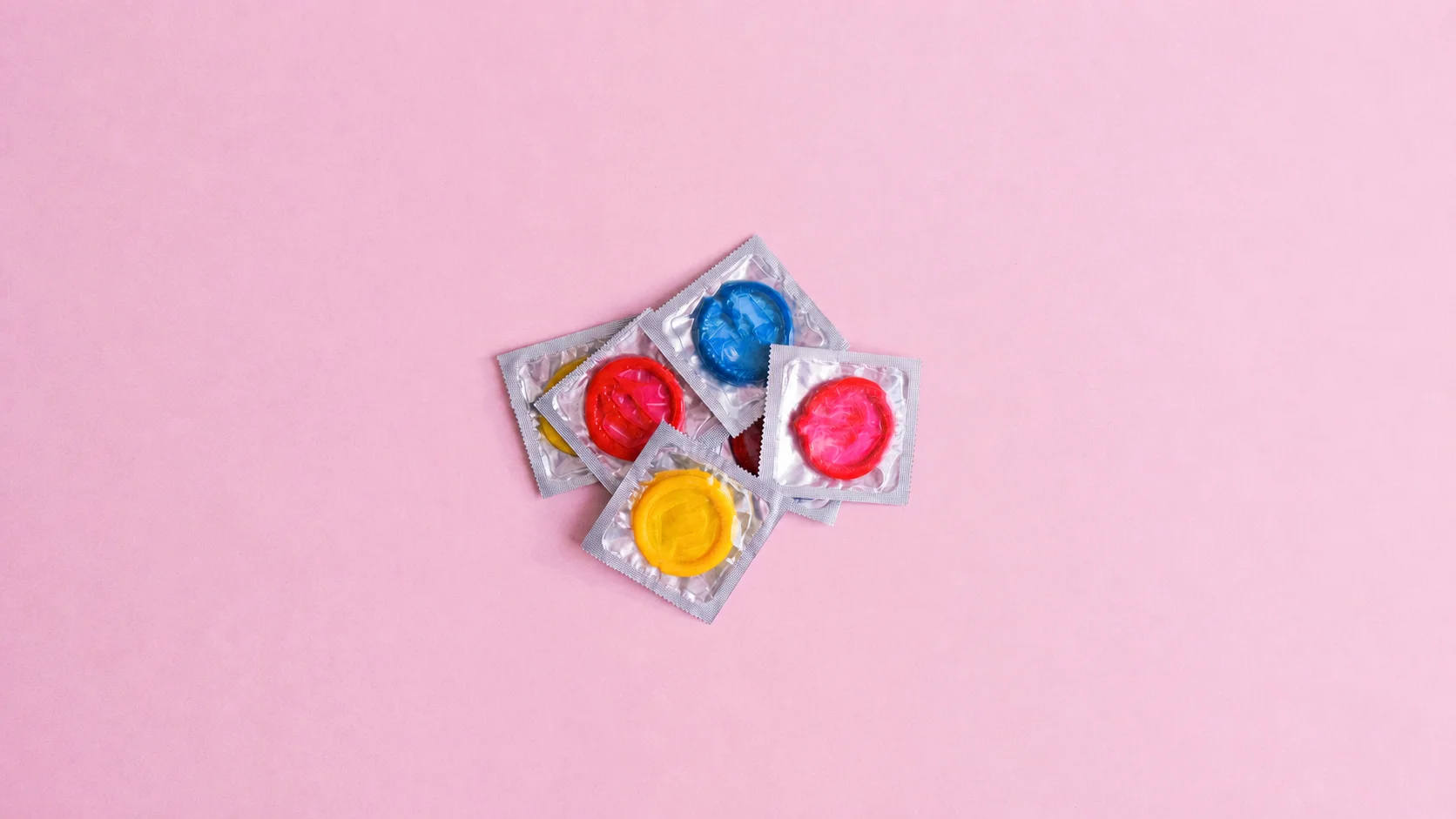
What latex-free really means?
Latex-free usually refers to the condom material. Latex-free condoms are a practical alternative when latex intolerance is suspected or when irritation continues despite other adjustments.
Many people expect fewer symptoms right away. That is often not the case, because the main cause is usually not the material itself but friction, low moisture, additives, or existing mucosal sensitivity.
The German S2k guideline on non-hormonal contraception mentions non-latex condoms as an option for latex allergy, with polyisoprene and polyurethane as common alternatives. AWMF guideline: Non-hormonal contraception
What causes are most common?
In practice, the frequent triggers are:
- Friction because the contact is not adequately lubricated.
- Long or very intense activity without breaks.
- Fit issues: condom too tight or too loose. See Fit and right condom size.
- Additives in condom, packaging, or lubricant.
- Pre-existing mucosal sensitivity from dryness, infection, or skin reactions.
These factors often occur together. If you look for only one cause, you can easily end up in the wrong direction.
Latex allergy: rare, but serious enough to address
A real latex allergy is possible, but less common than irritation patterns linked to friction or irritants. Typical signs include recurrent itching, redness, burning after latex contact, or swelling soon after exposure.
The reaction can remain local or, in very rare cases, become systemic. That is why a structured allergy assessment is useful when suspicion is strong, rather than switching products without direction.
The German Allergy Information Service describes typical reaction patterns and distinguishes immediate from delayed-type reactions. Allergy Information Service: Latex allergy
Lubrication: a major lever, often the decisive one
Good lubrication is one of the most effective first moves, and often works better than an immediate material change.
If you want a practical sequence, try this:
- Simple water-based products without fragrance.
- No strong flavors, no warming effect, no additional “chemistry-feel” boosters.
- Do not switch products repeatedly within the same week.
- Reduce spermicide use when you are sensitive.
Additives that feel pleasant at first can, for many people, trigger irritation over time rather than relieve it.
Hygiene: not everything that sounds clean is beneficial
Overhygiene is an underestimated amplifier. Aggressive soaps, intimate washes, douches, and frequent disinfection can weaken the mucosal barrier.
Often less is better: wash gently with water, avoid rubbing, avoid flushing after sex, and do not use perfume in the genital area afterwards.
If symptoms persist after these measures, that is a strong signal that the underlying trigger is not “cleanliness” alone.
Rule out infection before changing material
Burning accompanied by unusual discharge, odor, pain while urinating, fever, or lower abdominal pain should first be assessed for infection. Infections such as chlamydia are especially important in this context.
An existing infection is not neutralized by condom use. It can also make symptoms more visible because the mucosa is already sensitive.
In that case, the focus is on the underlying cause and medical assessment, not just the condom material.
Latex-free materials in practice: what actually matters
Polyisoprene and polyurethane behave differently in daily use. The best result does not depend on the label alone, but on the combination of size, lubrication, fit, and application technique.
- Polyisoprene is often perceived as similar in feel to latex and is often more forgiving in comfort and fit.
- Polyurethane is often thinner and stable in many situations, but may feel uncomfortable sooner with poor fit.
In every case, protection depends on correct use and full deployment, not only on the material label. CDC: Primary prevention methods (condom use)
Practical 14-day test plan: how to gain clarity
A structured test turns intuition into usable information. Give yourself two full weeks on purpose:
- Week 1: one stable context, one neutral product, no switching of lubricant, brand, or condom.
- Week 2: change only one variable, for example lubricant or material, not both.
- Record date, product, duration, accompanying symptoms, discharge, odor, severity, and whether symptoms appeared early, mid-session, or later.
- If symptoms shift consistently with one variable, that factor is likely important.
- If symptoms stay unchanged regardless of variable or warning signs appear, a medical assessment is indicated.
The goal is not a perfect experiment but visible patterns and less guessing.
What to do if this article does not fully answer your questions?
Usually the next step is not another product purchase, but a clear conversation with healthcare professionals.
It is already useful to prepare a short log with:
- precise timeline (when, how often, intensity),
- exact product details (condom material, package, lubricant),
- accompanying symptoms (discharge, odor, pain, itching),
- special concerns like pregnancy or STI prevention goals.
That saves time in many clinics and makes assessment more targeted.
Myths and facts: common thinking errors in condom use and irritation
- Myth: Latex-free is automatically the best solution. Fact: It is often just one step in a cause analysis.
- Myth: If you feel burning, you should avoid sexual activity. Fact: Without warning signs, this is not automatically necessary; decisions should remain health- and safety-conscious.
- Myth: A difficult experience is always an allergy. Fact: It is often friction, lubrication, or local irritation.
- Myth: More lubricant always stops burning. Fact: Not with every product class; especially fragranced or effect gels can still irritate.
- Myth: A single episode is not a sign of a longer pattern. Fact: Recurring patterns over several weeks are clinically relevant.
When you should see a doctor?
Do not wait if one of these patterns occurs repeatedly or clearly:
- Burning for several days despite stable products.
- Strong redness, swelling, hives, or breathing problems.
- New or unusual discharge, blood traces, pain while urinating.
- Fever or pelvic pain together with local symptoms.
A structured medical assessment is then more efficient than weeks or months of unguided self-testing.
Conclusion
Burning after condom use is not an emergency signal by itself, but it is often a clear and understandable irritation pattern. In many cases, friction, lubrication, fit, or baseline sensitivity are more relevant than the material label. Latex-free is useful when a true latex issue is present, but it does not replace a structured cause assessment; with a testing plan, careful observation, and clear medical thresholds you usually gain clarity much faster.
More reading
If irritation persists after condom use, these articles can help you compare material, technique, and medical follow-up.