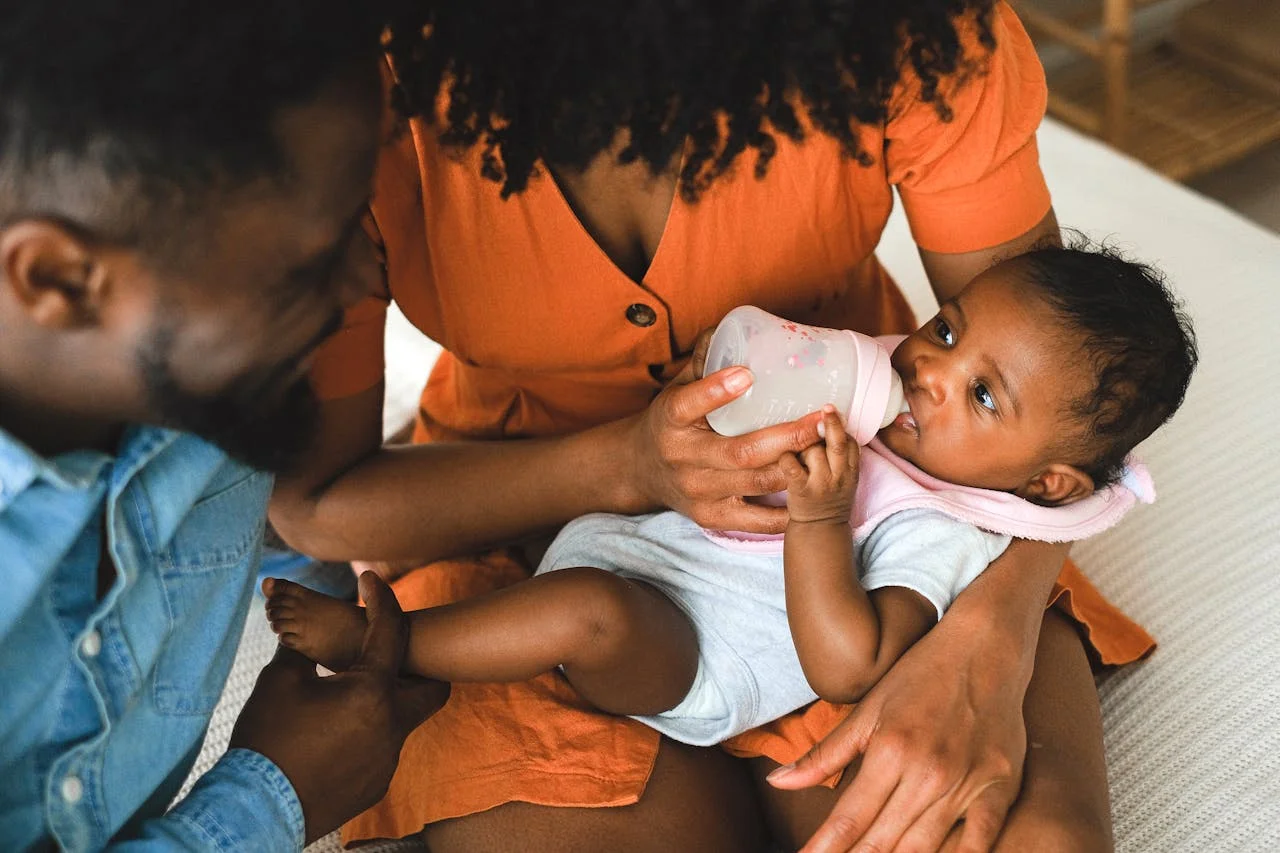
Cannabis during pregnancy and breastfeeding: THC, CBD, smoking, vaping, edibles, risks, and support
Cannabis can seem like the more practical option when nausea, sleep problems, or stress take over. During pregnancy and breastfeeding, what matters is not whether a product feels natural, but whether THC or other ingredients can reach the baby and how uncertain dose, product quality, and effects are in real life. This article explains the main risks, methods of use, breastfeeding questions, and realistic next steps.

Quick orientation
Medical organizations recommend not using cannabis during pregnancy and breastfeeding. The reason is not morality but risk combined with uncertainty: THC can cross the placenta and pass into breast milk, while products, potency, and additives vary widely.
The key practical point is simple: there is no reliably safe threshold at which cannabis in pregnancy or breastfeeding can be called harmless. That applies to smoking, vaping, dabbing, oils, drops, and edibles alike.
A brief official summary is available from the CDC. CDC: Marijuana Use and Pregnancy
What cannabis means here and why that matters?
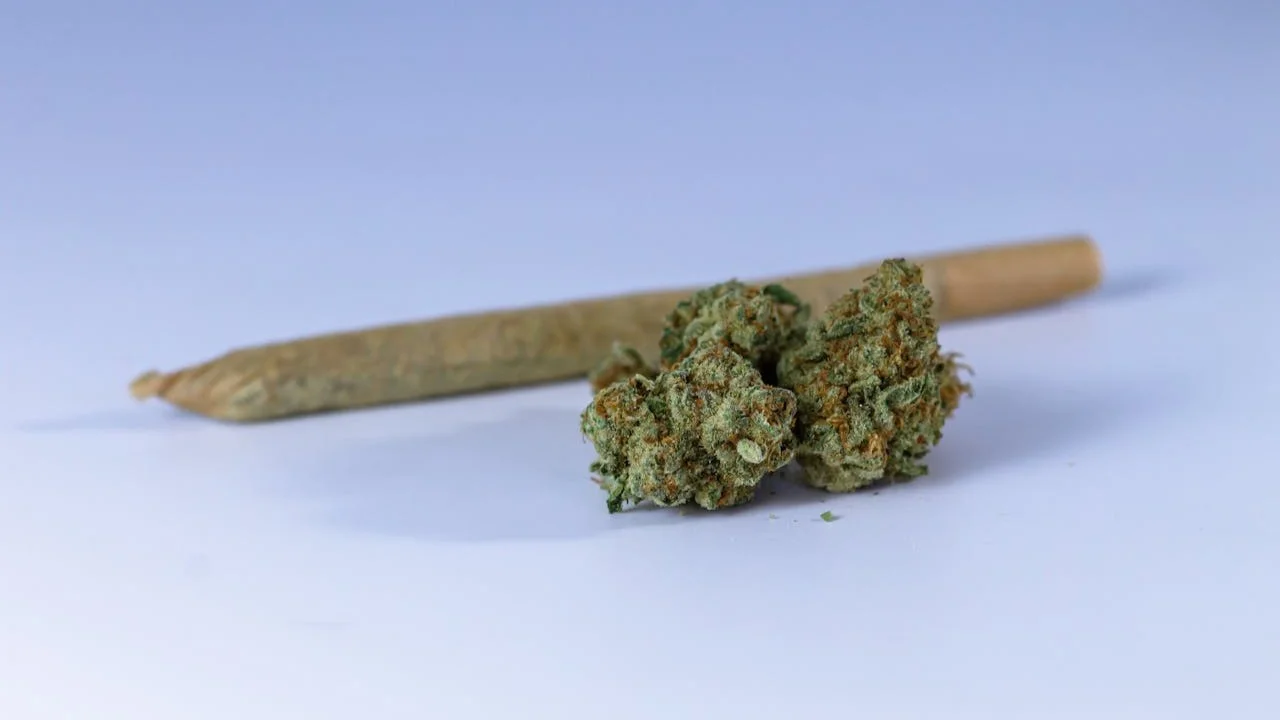
Cannabis is not one uniform product. In practice, this usually means THC-containing flower, hash, vapes, concentrates, oils, or infused foods. THC is the main psychoactive component. CBD is often marketed as gentler, but gentler does not mean safe, especially during pregnancy and breastfeeding.
One problem is product reality. Labels do not always match what is actually being used. That includes THC strength, possible contaminants, carrier substances in vape products, and CBD products that may not truly be THC-free.
So the question is not just whether someone uses cannabis, but what exactly they use, how often, in what form, and whether it is combined with tobacco, nicotine, or other substances.
What happens in the body?
THC and the placenta
THC is fat-soluble and can cross the placenta. ACOG describes THC as placental-transfer capable and notes reported fetal concentrations of roughly ten percent of maternal concentrations, depending on dose, frequency, and route of use. Source: ACOG: Cannabis Use During Pregnancy and Lactation
Breastfeeding and breast milk
Breastfeeding raises a different but related issue because exposure may not be one-time but repeated over days, weeks, or months. Current ACOG guidance recommends avoiding cannabis while breastfeeding, while also noting that ongoing use does not automatically rule out breastfeeding. In practice, that means no minimizing, but also no panic decisions.
If you want more context for that part, Breastfeeding or not breastfeeding can help because it frames infant feeding decisions without moral pressure.
Smoke adds its own burden
When cannabis is smoked, exposure to active compounds comes with extra exposure to smoke and combustion byproducts. If cannabis is mixed with tobacco, that adds another risk layer. Secondhand smoke is not a minor detail either, especially in the home, bedroom, or car.
What studies now show more robustly?
Older debates often felt blurry because tobacco, alcohol, stress, diet, and social factors frequently overlapped. Newer reviews have done a better job accounting for these confounders. A 2025 updated systematic review and meta-analysis in JAMA Pediatrics still found higher adjusted odds of low birth weight, preterm birth, and small for gestational age among pregnancies with cannabis exposure.
That does not mean every exposure automatically leads to a bad outcome. It does mean the pattern is stable enough to support a clear precautionary recommendation. That is why the lowest-risk option during pregnancy and breastfeeding is a pause.
If numbers help you anchor the issue, the adjusted odds ratios in that meta-analysis were 1.75 for low birth weight, 1.52 for preterm birth, and 1.57 for small for gestational age. Those are not panic numbers, but they are strong reasons not to wave the issue away.
What the broader research picture says?
It also matters what the evidence looks like across many reviews rather than in a single paper. A 2024 evidence map and overview from Australia and New Zealand reviewed 89 studies and reviews and likewise concluded that prenatal cannabis exposure was linked to harms across many fetal growth and neonatal outcomes, supporting the recommendation to avoid cannabis in pregnancy. Source: Munn et al., Australian and New Zealand Journal of Obstetrics and Gynaecology
What is useful about that review is not only the direction of the results but the honesty about the gaps. Some later developmental outcomes remain mixed or lower certainty. That is not a reason for reassurance. It is a reason for caution, because the better-supported short-term and perinatal risks are already enough to justify avoiding exposure.
What is better established and what remains less clear?
Not every question about cannabis in pregnancy has the same quality of evidence. The most solid evidence now concerns birth weight, small for gestational age, and preterm birth. Less clear and methodologically harder are many long-term questions such as attention, behavior, learning, or mental health later in childhood.
That is not because those areas are proven safe. It is because long-term research has to deal with many confounders over time, including family context, other substance exposure, stress, poverty, sleep, and access to care. For counseling in real life, one conclusion is enough: the better-established short-term and perinatal risks already make cannabis during pregnancy and breastfeeding hard to justify.
If you come across a single reassuring study headline, it is worth asking what outcome was measured, when in pregnancy exposure happened, whether use was self-reported or test-confirmed, and how carefully tobacco and other factors were handled. One reassuring result does not cancel the larger evidence pattern.
Methods of use and their typical pitfalls
Smoking
Smoking combines THC exposure with smoke exposure. The dose per puff is also hard to predict. If cannabis is mostly used at night, under stress, or together with tobacco, that often shows how strongly routine and relief-seeking have become part of the pattern.
Vaping, dabbing, and concentrates
Vaping avoids classic combustion, but that is not a free pass. Concentrates and vape products can deliver very high THC levels. Product quality and additives also matter. One practical problem is that vaping can feel cleaner and more manageable, which can make frequent use easier.
Edibles, drinks, and infused foods
Edibles often take longer to kick in and may last longer. Many people redose because nothing seems to happen at first, then end up more intoxicated than planned. During pregnancy and breastfeeding, that matters because anxiety, falls, accidents, and circulation problems can all become part of the picture.
Oils, drops, and capsules
These products can feel more discreet and more medical. That can create the false impression that they are automatically safer. The real problem remains the same: limited safety data, inconsistent product quality, and exposure that cannot be made harmless just by putting it into a bottle or capsule.
Secondhand smoke and the environment
If someone else is smoking around you, that still matters. A clear home rule is better than repeated debates: not indoors, not in the car, and no exceptions around the baby.
Why many people use cannabis and why that should be taken seriously?
For many people, this is not about partying or indifference. It is about nausea, sleep problems, stress, anxiety, pain, or the sense that cannabis is the one thing that briefly helps them slow down. That is exactly why a moralizing tone usually fails. If cannabis has become part of self-regulation, people need better alternatives, not just a lecture.
The key is to identify the underlying driver. Behind cannabis use there may be severe pregnancy nausea, poor sleep, an anxiety disorder, depressive symptoms, or a fixed habit loop. The clearer the driver, the more realistic the plan for stopping gets.
If the bigger issue is habit, substances, and routine generally, Alcohol, nicotine, cannabis, and sugar is also useful because it explains how patterns of relief and normalization build up.
Pregnancy and breastfeeding are not identical, but the direction stays the same
During pregnancy the main question is what reaches the fetus through the placenta and how exposure may affect development and birth outcomes. During breastfeeding the focus shifts somewhat toward THC in breast milk, repeated exposure through everyday feeding, and how to combine safety, bonding, infant feeding, and a realistic pause.
That does not make breastfeeding less important. It just means the counseling has to be a little more nuanced. The basic direction stays the same: do not minimize the issue, aim to stop use, and make infant feeding decisions with clear support rather than urgency and guilt.
Can cannabis help with pregnancy nausea?
Some people do report temporary relief, but temporary relief is not the same as safe or recommended. Current ACOG guidance states that cannabis does not have an established medical role in pregnancy or the postpartum period and that providers should look for better-studied alternatives instead. Source: ACOG: Cannabis Use During Pregnancy and Lactation
If nausea or vomiting is severe, that is not a reason to experiment with vapes or edibles. It is a reason for structured medical assessment. The issue is not just what provides brief relief, but what is sustainable and safer for both parent and baby.
When medical cannabis is part of the picture?
The situation gets more complicated when cannabis is framed as medical rather than recreational, for example for pain, insomnia, or mental health symptoms. That is where clean risk-benefit thinking matters most. Calling something medical does not mean it is well studied for pregnancy and breastfeeding.
If medical cannabis has been prescribed or seriously considered, it should come up early and openly with the OB-GYN, midwife, or primary care clinician. The goal is not to downplay symptoms. It is to find an option with a stronger safety profile or closer monitoring during pregnancy and breastfeeding.
An important warning sign: cannabinoid hyperemesis
A particularly tricky pattern is cannabinoid hyperemesis syndrome. This means recurrent, sometimes severe vomiting with more regular cannabis use. It is deceptive because cannabis may first feel like it helps nausea, then later seems to worsen the overall pattern.
A recent case series on cannabinoid hyperemesis syndrome in pregnancy described exactly that pattern: repeated vomiting, abdominal pain, symptom relief with hot showers or baths, and improvement after stopping cannabis. Source: Hanley et al., Obstetric Medicine
In practice, if nausea does not improve with cannabis, keeps coming back, or seems linked to repeated hot bathing, cannabinoid hyperemesis syndrome should be considered and medically evaluated.
What a realistic pause can look like?
The best plan is usually not dramatic. It is concrete. Remove triggers from your immediate environment, set clear cannabis-free spaces, tell the people who matter, and replace the function cannabis has been serving as early as possible. If use is mostly tied to sleep, stress, appetite, or emotional decompression, that specific gap needs to be addressed.
A practical starting point is often: no more use from today, no products within easy reach, no smoking in the home or car, and a scheduled visit with an OB-GYN, midwife, primary care clinician, or substance use counselor if the pause is not holding up.
What to bring up in a medical appointment?
Many conversations go poorly not because support is unavailable, but because everything stays vague. It helps to say clearly what form you use, how often, what you use it for, and what happens when you try to stop. That saves time and usually leads to a more useful plan.
- What form you use: joint, vape, edible, oil, or mixed with tobacco.
- What you mostly use it for: nausea, sleep, anxiety, stress, pain, or appetite.
- What happens when you stop: irritability, insomnia, panic, cravings, or repeated vomiting.
- What support you need most right now: symptom control, counseling, mental health care, or help planning infant feeding.
The more directly those points are laid out, the easier it is to turn a loaded topic into a workable care plan.
Help in the United States without a guilt spiral
If stopping is harder than expected, that is not proof of weakness. It is a signal that support makes sense. OB-GYN offices, midwives, primary care, behavioral health support, and substance use counseling can all help frame the situation honestly and build a practical next step.
A clear German-language explanation of drugs in pregnancy is available from the Bundesstiftung Mutter und Kind. For the U.S. public health angle, the CDC is the most accessible starting point, and state-level guidance may also matter depending on where you live.
Legal and regulatory context in the United States
In the United States, cannabis laws vary by state, while federal law still treats non-approved cannabis differently from state recreational or medical systems. That legal complexity does not change the medical recommendation to avoid cannabis in pregnancy and breastfeeding.
Because legal and child-welfare implications can vary by state, it is worth asking local providers what screening, documentation, and follow-up practices look like where you receive care. The medical message stays the same even when the legal details differ.
When to actively plan medical advice?
A conversation belongs on your calendar if you cannot sleep without cannabis, if stopping brings on panic, severe agitation, or withdrawal-like symptoms, if you keep relapsing, or if severe nausea, mood symptoms, or anxiety are also part of the picture.
The earlier these issues are named openly, the easier it usually is to organize support and protect daily functioning and infant care planning.
Conclusion
Cannabis during pregnancy and breastfeeding is not mainly a moral issue. It is an exposure issue shaped by uncertain dose, inconsistent product quality, and increasingly solid evidence linking use with adverse perinatal outcomes. That is why the most reasonable course is still a pause, a clear look at what the cannabis is doing for you, and support early if stopping is difficult.
Keep reading
These articles fit if you want more context on breastfeeding, other substances, or practical next-step decisions.