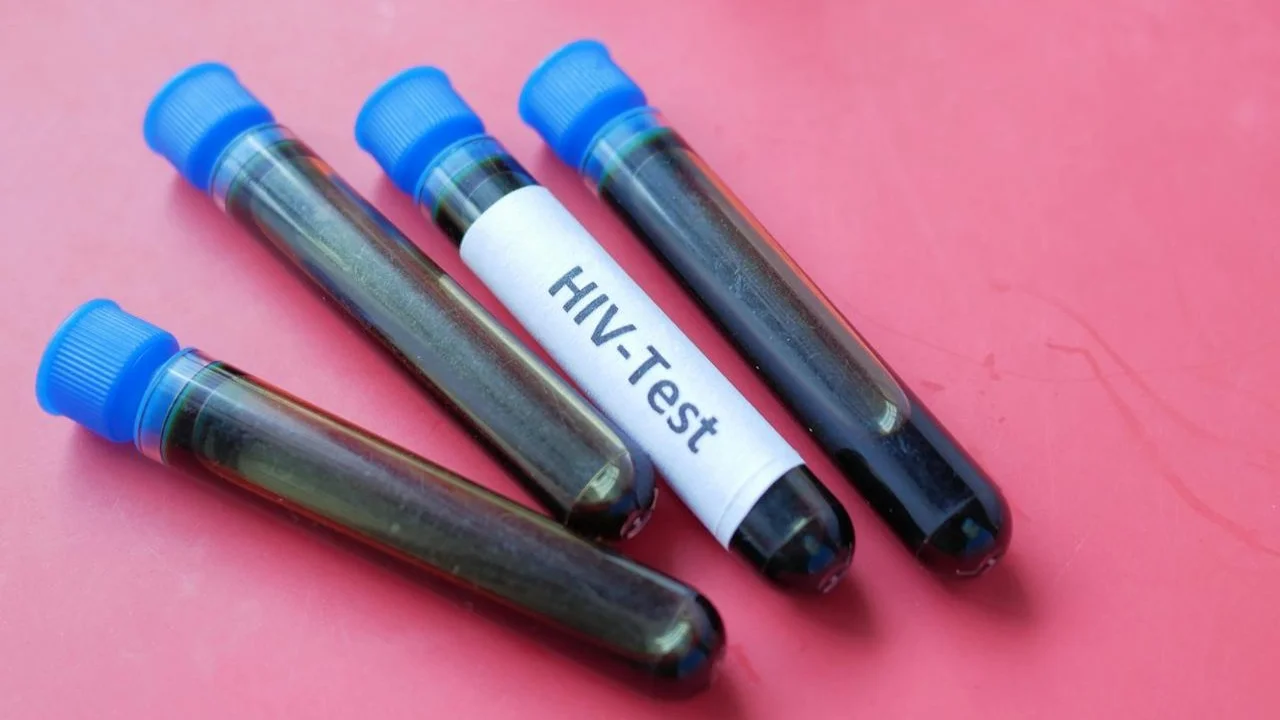
STDs and sperm donation: screening, testing, and genetic risks explained simply
Donor screening is mainly about reducing the risk of STDs and other infections, and lowering certain genetic risks before treatment. This guide explains which tests matter, why timing and quarantine are crucial, how to read results, and which checklist helps you compare sperm banks with private arrangements.


What this is really about: reducing risk, not promising certainty?
Most people want a clear answer: what gets tested, and how safe is it. Good screening can make donor sperm very safe, but it can never be a guarantee. Every test depends on timing, the method used, and what happens between testing and use.
That is why screening is not just a lab sheet. It is a process with rules: when to test, what to do after risk exposure, and when material can be released.
This article does not replace medical advice. If a result is unclear or there was a risk exposure, talk to a clinician for the safest plan.
The building blocks of reliable screening
In practice, several layers work together. The biggest difference between a sperm bank and a private arrangement is often not a single test, but how consistently the process is followed.
- Medical history and risk questions, such as symptoms, new partners, travel, and relevant medical background.
- Blood tests for major viral infections and syphilis.
- Testing for bacterial STDs, especially chlamydia and often gonorrhea.
- Quarantine and repeat testing, or an equivalent release process that reduces the risk of a new infection.
- Documentation and traceability so results, dates, and samples clearly match.
When you evaluate an offer, ask for the release logic, not only the test list: how do they avoid missing a very recent infection?
Which STDs and infections are central for donor sperm?
The focus is on infections that can be serious, often start without symptoms, and must be excluded before use. Many programs follow a core panel plus optional additions.
Core panel: hard to justify skipping
- HIV 1 and 2
- Hepatitis B
- Hepatitis C
- Syphilis
- Chlamydia, typically via molecular testing from urine or a swab
Add-ons depending on risk, recipient profile, or program
- Gonorrhea, often via molecular testing
- CMV, especially relevant in pregnancy contexts
- HTLV, in some regions or risk profiles
- Additional targeted workup after symptoms or travel exposures
If you are working privately, this distinction helps: the core panel should be non-negotiable, and add-ons should be a medical risk decision.
Why timing matters: molecular tests, antibodies, and window periods?
Tests are snapshots. Depending on the infection and the method, there can be window periods where a new infection is not yet reliably detected. That is why reputable programs combine methods and use repeat testing.
The key is not only which test was done, but also when it was done and how the interval between testing and use is managed.
Quarantine and release: the second safety layer
Quarantine means the sample is frozen and only released after later testing or an equivalent safety process. The goal is to reduce the chance that a very recent infection slips through between donation and use.
In private setups, quarantine only helps if both sides follow clear rules and keep documentation.
Reading results: what you should expect to see
For practical decision-making, you want method, date, and lab name, not just a vague negative. Ask whether testing was molecular or antibody-based and how borderline results are handled.
If documentation is incomplete, it is easy to end up with false reassurance.
The sperm washing myth: what it can and cannot do
Processing can be one part of a lab workflow, but it does not replace negative testing and a release strategy. As a standalone safety proof, it is not sufficient.
Genetic risks: what screening can do, and what it cannot
Many programs use carrier screening and matching rules to reduce certain genetic risks. Panels differ, and they are not a guarantee because not every variant or scenario is covered.
What matters is the exact panel used and the matching logic in practice.
Sperm bank vs private donation: where risk often shows up
Risk often comes from gaps between tests: unclear rules, pressure, missing repeat testing, and weak documentation. The safer private setups are those with a process that is as strict as a professional program.
Separating expectations from evidence also reduces conflict later on.
Myths and facts: STDs in sperm donation
Myth: a negative test means zero risk
Fact: without proper timing, repeat testing, and clear rules, there is still a window.
Myth: rapid tests are enough as proof
Fact: for donor sperm decisions, method, date, and documented lab results matter more than convenience.
Myth: trust is a medical safety plan
Fact: trust helps communication, but safety comes from testing strategy, rules, and documentation.
Questions you should get answered in writing
The clearer the answers, the less you rely on gut feeling. Ideally, you get the essentials as documents, not only in chat messages.
- Which tests were done, on which dates, and in which lab?
- Which methods were used, for example molecular testing or serology?
- Were there risk exposures or symptoms since testing, and what happens then?
- How are quarantine and release handled, and what repeat testing is required?
- Which genetic tests are included, and how does matching work?
- How is documentation stored and kept traceable?
Good documentation reduces medical risk and prevents misunderstandings.
Bottom line
STDs and infections in sperm donation are reduced most reliably through a clean process: the right tests, the right timing, clear rules between testing and donation, and a release strategy that can catch new infections. If you understand that logic, you can compare options and ask questions that produce evidence instead of reassurance.
Keep reading
More on choosing a donor, health records, and family planning.