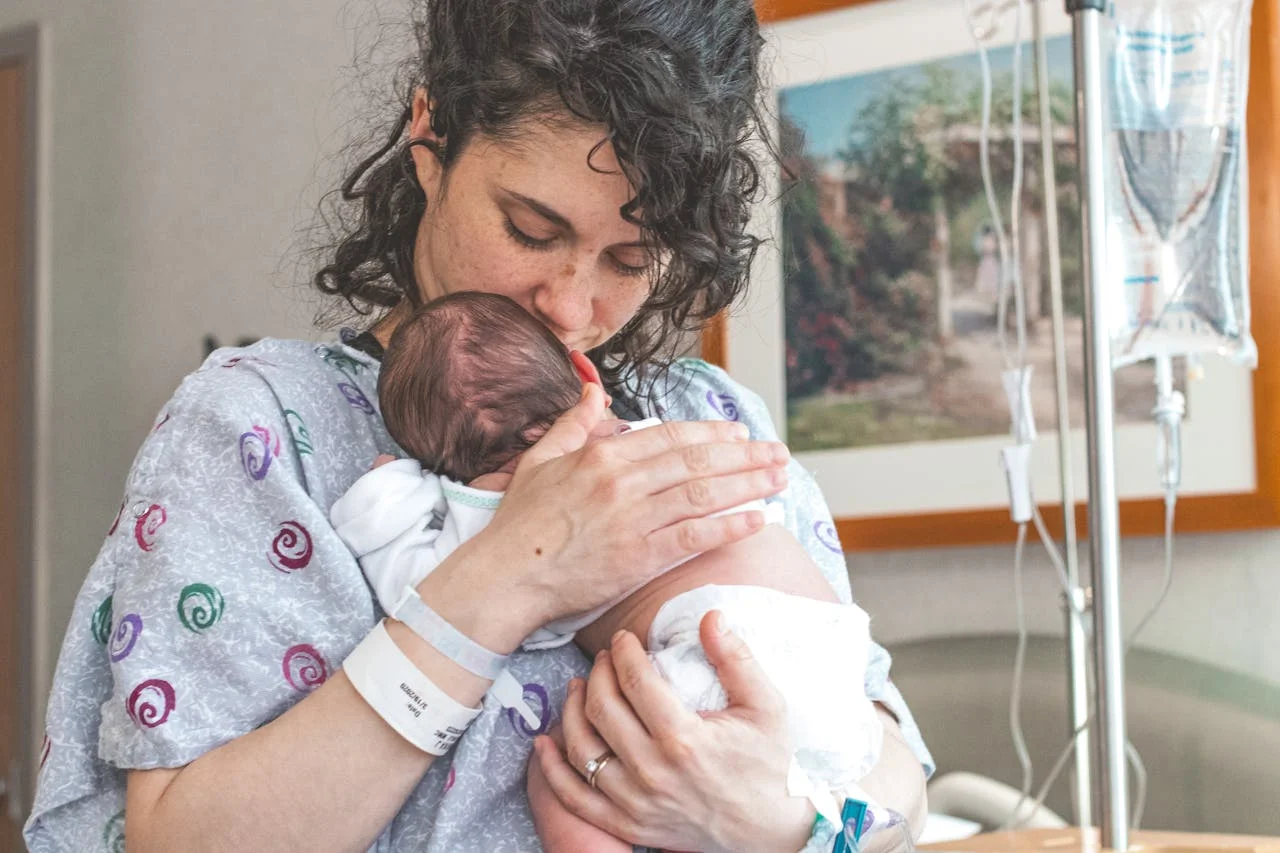
Preterm birth: causes, warning signs, and treatment
A preterm birth is a birth before 37 completed weeks of pregnancy. You will learn which warning signs matter, how risk is assessed, and which measures can help protect the pregnancy and your baby as well as possible.


What does preterm birth mean?
A preterm birth is any birth before 37 completed weeks of pregnancy. Whether it becomes a smaller or a major medical issue depends mainly on how early the baby is born and which additional problems occur. WHO
This article does not replace medical advice. If you have symptoms that could indicate preterm labor, it is safer to get checked right away.
Which types are there?
In everyday care, preterm birth is often classified by gestational week. This helps put risks into perspective and plan the right level of care.
Extremely preterm (before 28 weeks)
- Very high risk of breathing problems and other organ immaturity.
- Care is usually in a specialized neonatal unit.
- Follow-up care is especially important.
Very preterm (28 to 31 weeks)
- Breathing support and close monitoring are often needed.
- Outlook depends strongly on gestational age and accompanying factors.
Moderate and late preterm (32 to 36 weeks)
- Monitoring is often shorter, but the risk of adaptation difficulties after birth remains higher.
- For example, temperature regulation, blood sugar, or jaundice issues can be more common.
Why does a preterm birth happen?
There is rarely one single trigger. Preterm birth often starts spontaneously, for example with early contractions or an early rupture of membranes. Sometimes birth is also started earlier for medical reasons, or delivered by cesarean section, if the parent or baby would otherwise be at risk.
In the hospital the goal is usually the same: assess the risk correctly, prevent complications, and, if possible, gain time so important protective measures can take effect.
Risk factors: what can increase the risk
Some factors increase risk, others are modifiable. Typical risk factors include:
- A history of an earlier preterm birth or late pregnancy losses.
- Multiple pregnancy. Read more in Twins, triplets, and multiples.
- A very short cervix.
- Infections, for example urinary tract infections or inflammation in the genital tract.
- Bleeding and placental problems.
- Pregnancy conditions such as preeclampsia or diabetes.
- Smoking and other avoidable exposures.
Preterm birth can also happen without any obvious risk factor. That makes it even more important to know and take warning signs seriously.
Warning signs: when you should get checked right away
Many symptoms during pregnancy are harmless. For the following signs, timely evaluation is advisable:
- Regular, painful contractions or a tight abdomen that keeps coming back.
- Strong downward pressure or a new, noticeable pelvic floor sensation.
- Lower back pain that comes in waves and increases.
- Bleeding.
- Sudden fluid loss or suspicion of amniotic fluid.
- Fever or a clear feeling of being unwell.
When in doubt, it is better to go to a hospital or contact your care team once too often. With heavy bleeding, obvious fluid loss, or very severe pain, evaluation should be immediate. In the US, people often contact their OB-GYN or the labor and delivery triage team for advice.
What happens in the hospital if preterm labor is suspected?
The goal is to clarify the situation quickly and, if necessary, gain time. Typical steps include:
- Examining the cervix, often including ultrasound.
- Monitoring contractions and the baby, depending on the situation.
- Lab tests and swabs if an infection is possible.
- Risk assessment of whether birth is likely in the next few days.
- Planning whether transfer to a perinatal center is appropriate.
If a very early birth is likely, every hour can matter. Then it is often about completing the most important medical steps in the right order.
Diagnostics: cervical length and the fetal fibronectin test
Two commonly used tools are a transvaginal measurement of cervical length and a fetal fibronectin test from vaginal secretions. They cannot predict the future with certainty, but they can help estimate short-term risk more accurately and avoid unnecessary admissions. PubMed
Options for a short cervix: progesterone, cerclage, or pessary
If the cervix is clearly shortened, different options may be considered depending on history and gestational age. Commonly discussed options are vaginal progesterone, a cerclage, or a cervical pessary. Which option fits best should be decided individually because the starting situation and risks can vary greatly. PubMed
Good decisions rarely come from a single measurement. It helps to bring your findings and questions to your appointment and clarify the goal with your care team, for example prolonging pregnancy or reducing acute risks.
Acute treatment: buying time and preparing the baby
If birth is likely, the focus is often on gaining a few crucial days to enable measures that can improve the baby’s outlook.
- Short-term tocolysis can help gain time for the next steps.
- Antenatal corticosteroids support lung maturation when an early birth is expected. PubMed
- Magnesium sulfate is described in many guidelines for neuroprotection before very early birth. PubMed
- If medically possible, transfer before birth to a perinatal center can improve care.
Whether and which medications make sense depends on gestational age, triggers, and the overall situation. The key is that treatment fits your situation, not that as much as possible is done.
Birth and care: what matters after delivery
Preterm babies often need support with breathing, temperature, and feeding. Modern neonatal care aims to be as gentle as possible, for example with non-invasive breathing support, careful thermal management, and a step-by-step nutrition plan.
Skin-to-skin contact, also known as kangaroo care, can additionally help support stability and bonding. PubMed
Long-term outcomes and follow-up
Many babies catch up, especially after a moderate or late preterm birth. Still, follow-up matters because development, vision, hearing, and breathing can more often need attention in babies born early. Good follow-up does not mean constant fear, but recognizing problems early and supporting them in a targeted way.
If you are in the time after birth right now, the articles Postpartum period and Postpartum bleeding can help you put common symptoms into context.
Support for families
Beyond medical care, support for parents is important. Many hospitals offer psychosocial support, lactation counseling, and follow-up programs. Organizations such as EFCNI can also provide helpful information and contacts.
Conclusion
Preterm birth is an umbrella term for very different situations. If you know the warning signs, get evaluated early, and have close follow-up when risk is higher, that already helps a lot. Modern obstetrics and neonatal care can do a great deal today, and good follow-up supports development step by step.
Keep reading
Related topics about pregnancy risks and the time after birth.