Latex-free or latex: burning after condom use, what is common and what is a warning sign?
Burning or itching after using a condom is common. Most often this is due to friction, lubrication, additives, or a pre-existing irritation. A real latex allergy is uncommon. This article helps you sort causes and follow a clear assessment path.

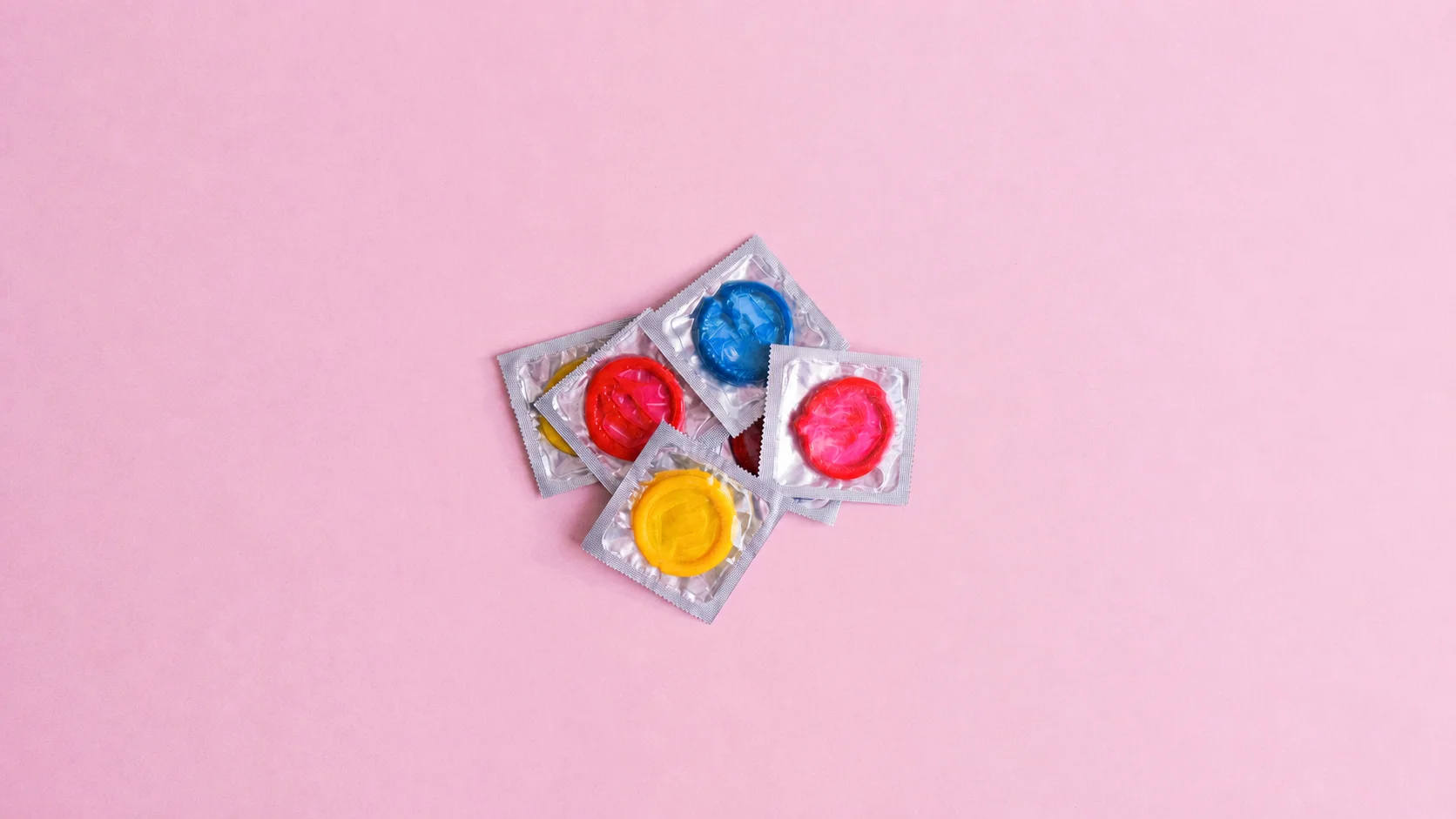
What latex-free really means?
In practice, latex-free means the condom is made from a material without natural latex. Latex-free condoms are a useful option when latex intolerance is suspected or when irritation continues despite other adjustments.
Many people expect a quick improvement. That is often not the case because the main trigger is usually not the material but friction, dryness, additives, or existing mucosal sensitivity.
The German guideline for non-hormonal contraception notes non-latex condoms as an option with latex allergy, including polyisoprene and polyurethane. AWMF guideline: Non-hormonal contraception
What causes are most common?
In clinics and practice, frequent causes include:
- Friction from insufficient lubrication at the contact point.
- Very long or intense sessions with no breaks.
- Fit issues: too tight or too loose. See Fit and right condom size.
- Additives in the condom, packaging, or lubricant.
- Existing mucosal sensitivity from dryness, infection, or a skin reaction.
These factors often come together. If you focus on only one factor, you can misidentify the actual driver.
Latex allergy: rare, but not to be ignored
A true latex allergy can happen, but is less common than irritation patterns from friction or chemicals. Typical symptoms are recurring itch, redness, burning after latex contact, or swelling shortly after exposure.
The reaction can be local or, in rare cases, systemic. That is why a structured allergy check is advisable when suspicion is strong, instead of switching products without a plan.
The Allergy Information Service describes typical reaction patterns and the difference between immediate and delayed-type reactions. Allergy Information Service: Latex allergy
Lubrication: a major lever, often the most useful one
Choosing good lubrication is one of the strongest first steps and is often more useful than changing material immediately.
Use this sequence:
- Simple water-based product, no added fragrance.
- No strong flavours, no warming effect, no extra “performance” sensations.
- Do not switch multiple products in a single week.
- Cut down on spermicide if you are sensitive.
Additives that feel good for one use can, over repeated use, cause irritation rather than relief.
Hygiene: not everything “clean” is beneficial
Overdoing hygiene is a common hidden factor. Aggressive soaps, intimate washes, douching, and frequent disinfection can weaken the mucosal barrier.
Practical approach: wash gently with water, avoid rubbing, avoid flushing after, and avoid perfume in the genital area.
If symptoms continue after this, it is a clear sign that the core cause is probably not hygiene alone.
Check for infection before changing material
If burning comes with unusual discharge, bad smell, pain on urination, fever, or lower abdominal pain, assess infection first. Infections such as chlamydia are especially important in this context.
An infection is not solved by condom use alone and can amplify symptoms when the mucosa is already sensitive.
In that situation, the focus is treating the underlying issue through medical assessment.
Latex-free materials compared: what matters in real life
Polyisoprene and polyurethane act differently. The best comfort does not only depend on the label but on size, lubrication, fit, and technique.
- Polyisoprene is often described as latex-like and often feels more comfortable in fit for many users.
- Polyurethane is often thinner and stable in many settings, but poor fit can become uncomfortable more quickly.
In every case, prevention depends on correct use and full deployment, not just material choice. CDC: Primary prevention methods (condom use)
Practical 14-day test plan: how to gain clear answers
A structured plan turns guesswork into observable patterns. Reserve two weeks:
- Week 1: one stable setting, one neutral product, no switching of lubricant, brand, or condom.
- Week 2: change only one variable, for example lubricant or material, but not both together.
- Keep a note of date, product, duration, accompanying symptoms, discharge, smell, severity, and whether symptoms were early, middle, or late.
- If symptoms move with one variable, that variable is likely significant.
- If symptoms stay constant despite changes or warning signs develop, book a medical check.
The goal is not perfect test precision, but clear patterns and less uncertainty.
What to do if this article is not enough yet?
The next step is often not another product purchase but a focused consultation with clinical staff.
A short prepared note is useful:
- exact timeline (when, how often, intensity),
- exact product details (condom material, package, lubricant),
- accompanying symptoms (discharge, smell, pain, itching),
- goals such as pregnancy and STI prevention.
That saves consultation time and helps the clinician triage better.
Myths and facts: common errors in condom use and irritation
- Myth: Latex-free is automatically the best option. Fact: It is usually one step in a broader assessment.
- Myth: Once burning happens, no sexual activity is possible. Fact: Without warning signs, this is not always true and must be assessed case by case.
- Myth: A bad session is always allergy. Fact: Most often it is friction, lubrication issues, or local irritation.
- Myth: More lubricant always helps. Fact: Not for every type, especially flavoured or warming formulas can still irritate.
- Myth: A single event is never significant. Fact: Repeating patterns over a few weeks can be clinically important.
When you should seek medical assessment?
Do not wait if one of these patterns repeats or is clearly strong:
- Burning lasting several days despite unchanged products.
- Pronounced redness, swelling, welts, or breathing issues.
- New or unusual discharge, blood traces, pain while urinating.
- Fever or pelvic pain with local symptoms.
Structured assessment is usually more effective than weeks of uncontrolled self-testing.
Conclusion
Burning after condom use is usually not an emergency but often a clear irritation pattern. In many cases, friction, lubrication, fit, or pre-existing sensitivity are more important than material choice alone. Latex-free is useful when a real latex issue is present, but it does not replace a structured cause check; with a plan, careful observations, and clear medical thresholds, you usually get clearer answers faster.
More reading
If irritation after condom use continues, these posts can help you review materials, technique, and next medical steps.