Postpartum period after birth: physical changes, recovery, and warning signs
After birth, your body and daily routine are both adjusting. Bleeding, afterpains, wound soreness, milk coming in, sweating, and fatigue are often normal in this phase as long as the overall trend is toward improvement. This article lays out the common changes in the postpartum period, shows what makes daily life easier, and points out the warning signs you should not ignore.

What the postpartum period medically means?
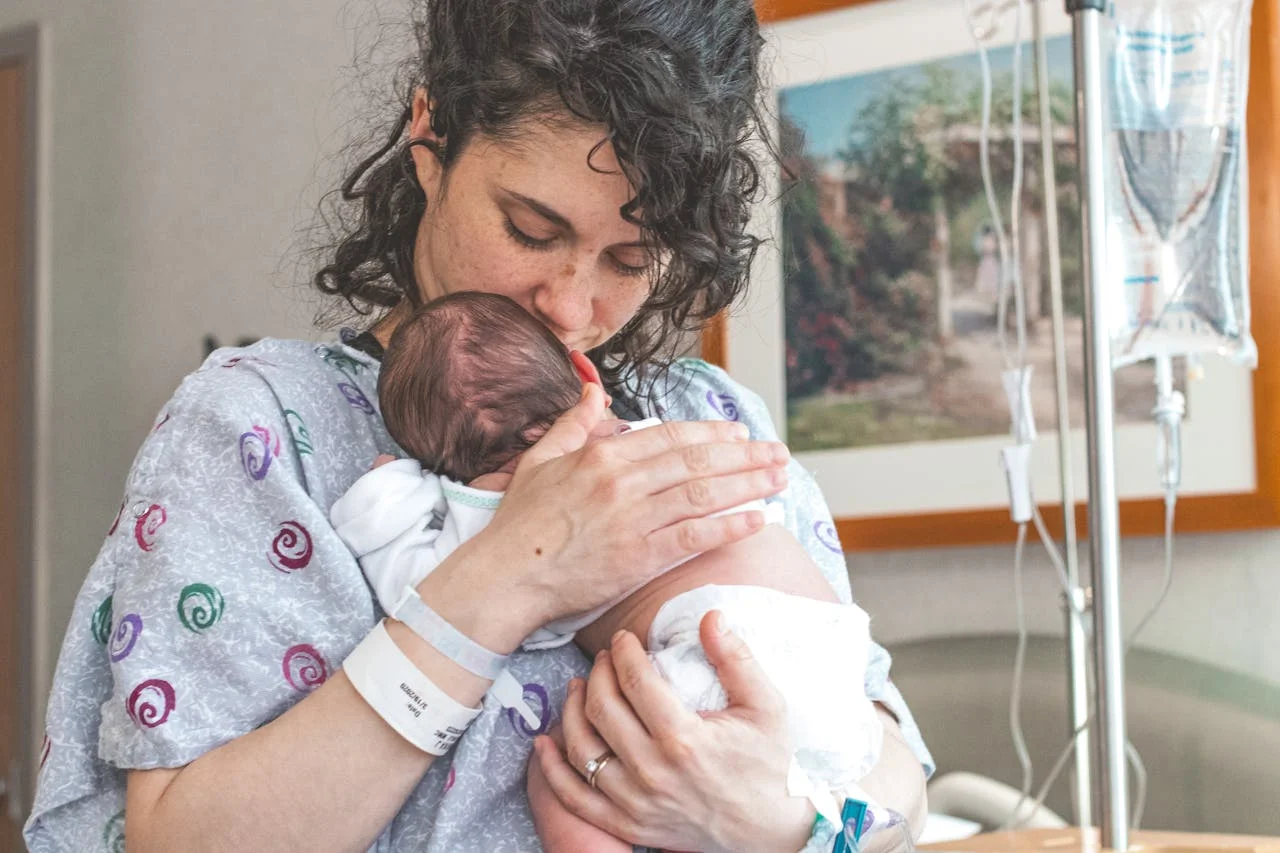
The time right after birth is usually called the postpartum period. It often covers the first six to eight weeks, because many healing and adjustment processes are happening at the same time.
These include the uterus shrinking back down, the placental wound healing, hormones readjusting, lochia changing, and recovery after birth injuries or a caesarean birth. It is no surprise that this phase can feel physically large.
A factual overview of what is typical in the postpartum period is available on Gesundheitsinformation.de. Gesundheitsinformation.de: After birth in the postpartum period
The main physical changes after birth
Uterine involution and afterpains
Afterpains are contractions of the uterus that support involution and help limit bleeding from the placental wound. They can feel like strong period cramps and are often most noticeable in the first few days. Breastfeeding can make them more pronounced because the hormones released then stimulate the uterus.
Heat, a comfortable position, short rest periods, and a calmer daily rhythm often help. If the pain suddenly increases or comes with fever, it should be checked by a healthcare professional.
Postpartum discharge and what it says about healing
Lochia is wound fluid from the uterus. Over the following weeks it usually changes in amount and colour: often bloody at first, then brownish, and lighter towards the end.
What matters is the trend: overall less rather than more, no unpleasant smell, and no combination with fever or increasing lower abdominal pain. Health information sources specifically recommend watching this pattern so inflammation is not missed. familienplanung.de: Postpartum discharge (lochia)
In the postpartum period, tampons are usually not a good idea because they can increase the risk of infection. Postpartum pads are the safer choice while healing is still under way.
Healing in the perineal area
After a perineal tear, an episiotomy, or smaller mucosal injuries, sitting, passing urine, and the first bowel movement are often uncomfortable. It usually gets better if you take pressure out of the situation and do not pack the day too tightly.
- Sitting often feels better with side-lying, soft supports, and frequent changes of position.
- While passing urine, lukewarm water over the genital area can reduce the stinging.
- For a bowel movement, time, enough fluids, and softer stools are better than straining.
Warning signs are worsening pain, marked redness, weeping, a foul smell, or the feeling that the wound is opening.
Caesarean scar and abdomen
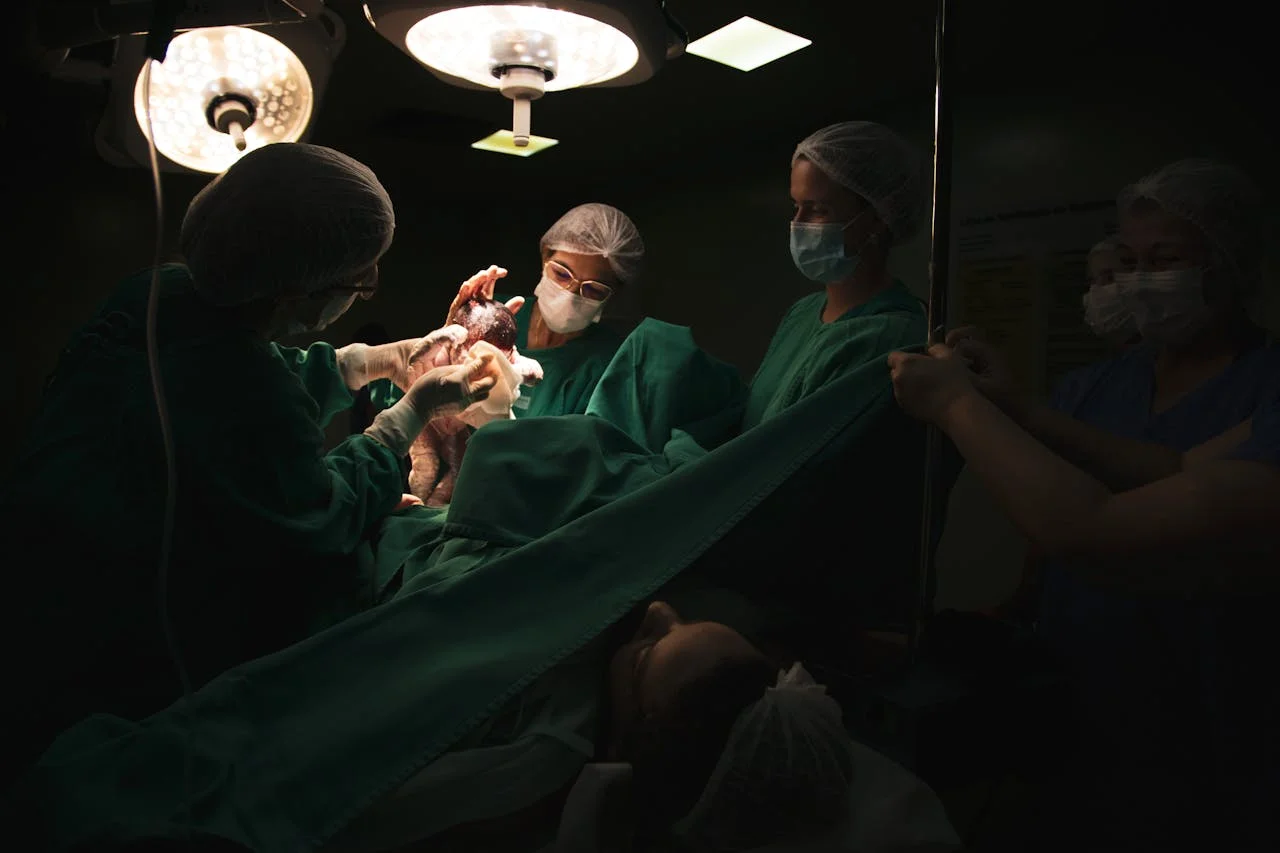
After a caesarean birth, recovery from the operation is added to the return-to-normal process. At the start this usually means short walks, good pain control, careful getting up, and realistic expectations about what your body can do. A scar may look calm on the outside while healing is still going on inside.
If pain increases clearly, the scar becomes very red, starts to ooze, or fever appears, prompt assessment is sensible.
Breasts, milk coming in, and clogged ducts
In the first few days the breasts can become very full. Then latching may feel harder because the areola is firmer. Often less effort and more relief help: feeding more often, trying different positions, expressing a little milk, and keeping the feeding set-up calm.
A hard, painful area may point to a clogged duct. If fever and a strong flu-like feeling come with it, it should be assessed promptly.
Sweating, shaking, and circulation
Many people sweat much more during the first nights because the body is adjusting hormones and shedding fluid. Shaking can also happen shortly after birth. The key question is whether you feel broadly stable or whether fever, chills, or severe weakness are showing up as well.
Belly, pelvic floor, and digestion
The abdomen may stay soft or protruded for longer because the uterus, abdominal wall, and connective tissue all need time. The pelvic floor has also been heavily loaded. A downward pressure feeling, uncertainty when coughing, or temporary incontinence is therefore not unusual.
Constipation is also common in the postpartum period. Less movement, fear of pain, fluid shifts, and sometimes medicine all play a role. Drinking enough, warm meals, a bit of movement, and avoiding straining are usually helpful.
A good medical overview of pelvic floor and bowel problems after birth is also available in a specialist review. PubMed: Pelvic floor and bowel problems after birth
What actually makes day-to-day life easier?
Most postpartum discomfort does not spiral because someone has not read enough; it spirals because too much happens too soon. Treat the first days like recovery after a major physical effort.
What makes everyday life steadier
- A fixed rest spot with water, snacks, a charger, tissues, pads, and a hot water bottle
- Food that is easy to reach and help that does not need to be arranged on the fly
- Visit rules that protect sleep, feeding, and rest
- A clear contact route for questions about bleeding, wounds, feeding, or mood
What to avoid if possible
- Cleaning, tidying, or long trips too early
- Ignoring pain out of habit or pride
- Judging the bleeding only by colour and ignoring the trend
- Carrying everything alone when support is part of the care
The NHS also offers a clear overview of physical changes after birth. NHS: Your body after the birth
When you should not wait?
These signs can point to serious complications. If they appear, seek medical help promptly.
- Very heavy bleeding that soaks pads quickly, or a sudden clear increase after things had improved
- Fever, chills, foul-smelling lochia, or a strong flu-like feeling
- Severe headache, vision changes, chest pain, shortness of breath, or a very fast heartbeat
- Severe lower abdominal pain that does not settle or gets worse
- Pain, redness, or swelling in one leg
- Thoughts of harming yourself or the baby, or a feeling that you are no longer safe
The CDC is also helpful for the official framing of warning signs after birth. CDC: Urgent maternal warning signs
Myths and facts about the body after birth
- Myth: Pain is part of the deal and must be endured. Fact: Ongoing or severe pain is often a sign that something should be adjusted or treated.
- Myth: Lochia is just like a long period. Fact: Lochia is uterine wound healing and often follows a typical pattern.
- Myth: The abdomen should quickly look the way it did before. Fact: Involution is individual and connective tissue needs time.
- Myth: Sweating is always harmless. Fact: Night sweats can be normal, but fever and a flu-like feeling are a different issue.
- Myth: Recovery means hard training. Fact: In the first weeks, dosing, healing, and a pelvic floor that can reliably carry load are what matter.
Your mental health matters too
Sadness, irritability, and feeling overwhelmed can happen in the first days. If low mood lasts, is very intense, or anxiety and insomnia dominate daily life, getting help early makes sense. The CANMAT guideline stresses that perinatal mood and anxiety disorders during pregnancy and after birth are medically relevant and should be actively considered. PubMed: Perinatal mood and anxiety disorders
It is also important to distinguish between the usual baby blues and more serious postpartum depression. Gesundheitsinformation.de explains this clearly. Gesundheitsinformation.de: Postpartum depression
If thoughts come up about harming yourself or the baby, or if you no longer feel safe, get help immediately.
Intimacy and sex after birth
Sexuality is also part of recovery after birth. In the first weeks many people notice dryness, a different body feeling, less desire, or uncertainty because hormones, sleep loss, healing, and new responsibility all come together.
Medically, intimacy should return based on healing and comfort, not calendar pressure. If bleeding, the perineum, a scar, or the pelvic floor are still tender, patience, lubricant, and an open conversation are usually more useful than a fixed date. PubMed: Sexual well-being after birth
Conclusion
The postpartum period is not a short in-between phase but a time of involution, wound healing, hormonal adjustment, and a new daily routine. Much of it is normal even when it feels unfamiliar, but if bleeding is heavy, fever appears, pain increases, or warning signs show up, do not wait. Get help early.
Read next
If you want to place the time after birth in a wider context, these articles help with bleeding, wound healing, involution, and caesarean birth.