Sperm cramps: When an internet meme becomes a health question
The term sperm cramps is associated with an internet meme about supposed male period cramps. The expression has been documented since 2022 and now turns up in serious-sounding health articles, too. It is not a recognized diagnosis. The phenomenon illustrates how jokes, uncertainty and health information can become mixed together.

What to know
- The sperm cramps meme has been documented since 2022 and refers jokingly to supposed male period cramps.
- The term sperm cramps does not refer to a distinct, medically recognized condition.
- Some health articles apply the term to other symptoms. This does not make the meme evidence of a disease.
- The term has not been shown to originate with AI; a persuasive AI explanation is not medical evidence.
- Real pain deserves care. Sudden, severe testicular pain requires immediate medical assessment.
What is the sperm cramps meme about?
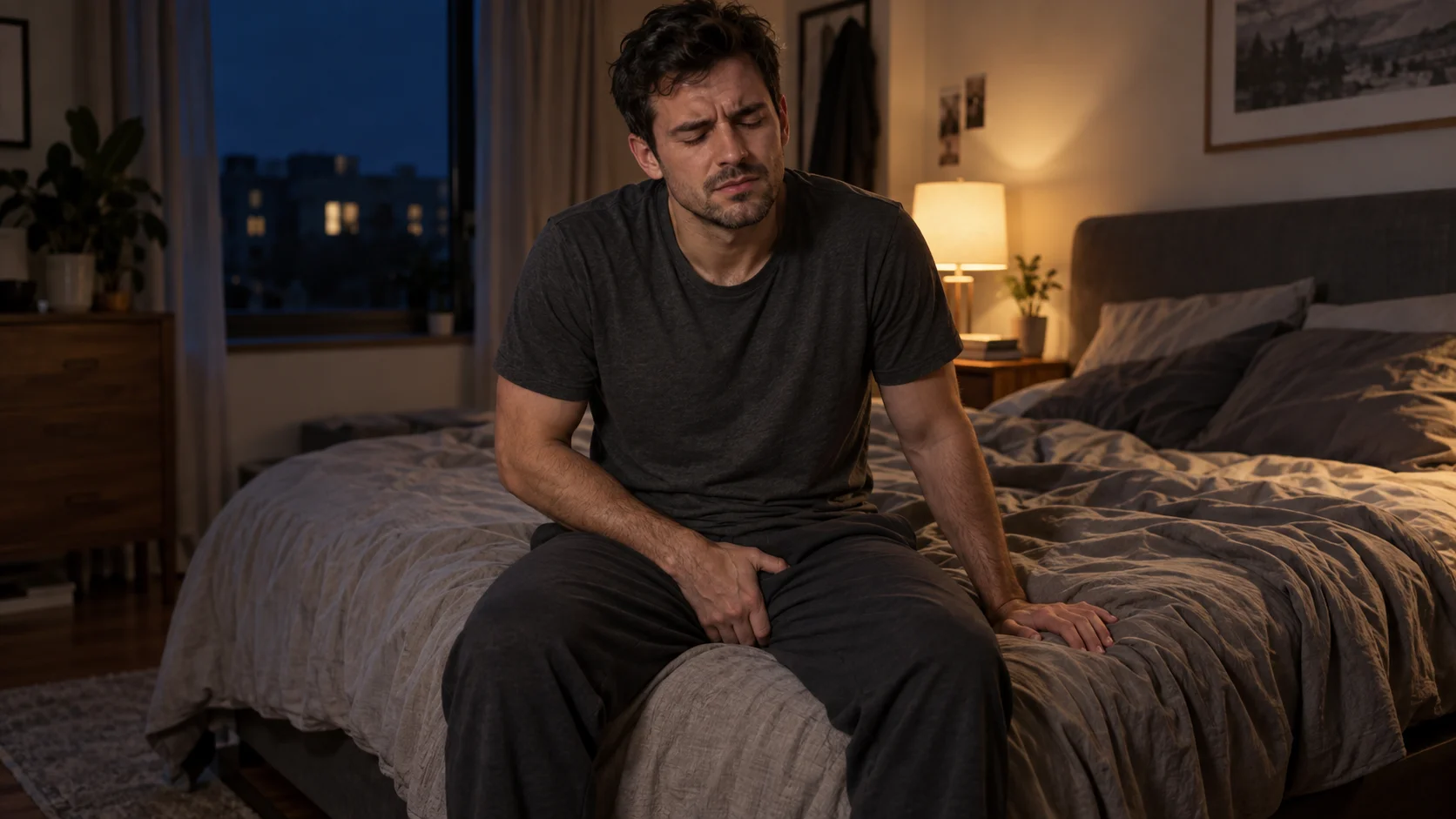
The meme portrays sperm cramps as a supposed counterpart to menstrual cramps. Videos commonly feature exaggerated acting: men hold their abdomen or groin and pretend they have a similarly regular problem. The exaggerated seriousness is part of the humour.
When a post is seen without its meme context, it can be confusing. A joke can become a genuine question: does this condition really exist? At that point, entertainment and health information become mixed up.
What is documented about its circulation
The meme archive Know Your Meme cites a TikTok video from 4 October 2022 as an early example. Its caption read “We have cramps also”. Other posts adopted the idea and compared the supposed symptoms to period pain.
An article published by Berita DIY on 2 December 2022 was already covering the same clip as a TikTok trend. It shows that the expression was circulating beyond the original posts then. It does not settle who first used the wording.
How the joke becomes a question about health
The shift is particularly apparent in the Berita DIY article. Starting with the meme about men, it then explains the expression through cramps after ejaculation into the vagina. The Healthline page used for that explanation, however, discusses symptoms in the receiving person. The article changes between different bodies and situations.
A Doctronic health article is another example. It calls the term informal, then uses it to discuss pain after ejaculation and possible urological causes, among other concerns. These pages illustrate how the expression is reused as a broad label. They do not establish one defined condition with that name.
Other health portals and clinic websites also use the expression. Apollo 24|7 identifies its sperm cramps guide as written and reviewed by physicians. A German-language estethica clinic page first states that the term is not used medically, then gives sections on symptoms, causes and relief. You may therefore encounter the expression on medical providers' websites as well.
This format can suggest that the wording is an established medical term: the title, causes list and treatment advice look like an ordinary health guide. The important questions are which symptoms are being described and what evidence supports the information. Use of the same term on several sites does not make it a distinct diagnosis.
How might AI and search results contribute?
AI can compound the confusion by building a fluent explanation around an unclear expression. The general risk is documented: NIST describes confidently delivered false statements as a problem with generative AI. Reasoning and references that appear to fit may also be wrong.
With sperm cramps, that is a possible way to amplify confusion, not a demonstrated origin. The pages identified do not establish how many articles were made with AI or their contribution to the term's reach. A prominent search result is not evidence of medical recognition either.
Open the source and look at what it actually discusses. Does it provide evidence for the claimed term, or cover a different symptom that simply sounds similar?
Putting the internet phenomenon in context
Three questions are useful when you come across the expression:
- Is the post a joke with pretend symptoms or an account of a real experience?
- Does it describe the same situation throughout, or move between period pain, testicular pressure and pain with ejaculation?
- Does the linked source address the actual claim, or only a similar expression?
This approach lets you understand the joke while critically assessing a medical claim. Not every post is deliberately misleading. If it explains an illness or recommends treatment, however, the details need to be accurate.
A brief medical distinction
The meme label offers little help with real symptoms. From a medical perspective, these situations are worth separating:
- Pain during or after ejaculation
- Painful ejaculation is a documented symptom with different possible causes. Cleveland Clinic provides a medical explanation. Recurring or significant symptoms should be assessed.
- Pressure after prolonged arousal without orgasm
- This is often called blue balls. It usually means temporary discomfort; severe or persistent pain should not be dismissed with that label. A urological explanation helps distinguish it from other situations.
- Sudden, severe testicular pain
- This may be an emergency, including testicular torsion. Go to an emergency department immediately, especially with nausea or vomiting. The UK's NHS also identifies testicular pain that persists at rest as an urgent warning sign.
Our article about pain after sex offers further guidance for symptoms beyond the meme. A debate about whether an internet expression is medically accurate should not keep you from seeking assessment for real pain.
Conclusion
The sperm cramps phenomenon is documented online: a meme about supposed male period cramps resurfaces in different health explanations. There is evidence of the expression's spread, but not of a distinct condition bearing that name. Understanding the joke, checking sources carefully and describing real symptoms clearly are sensible ways to respond.
Related reading
These articles put real symptoms into context when they are confused with the meme online.