Afterpains after childbirth: why they occur and when it's too much
Afterpains are cramp-like lower abdominal pains in the postpartum period caused by the uterus contracting and shrinking back after birth. Many people notice them especially during breastfeeding; some hardly feel them. This article explains what happens in the uterus, how afterpains typically feel, which measures really help, and which warning signs are not consistent with normal afterpains.

What afterpains are?
Afterpains are contractions of the uterus after childbirth. Over the days and weeks after delivery, the uterus gradually returns towards its pre-pregnancy size. This involution can feel like period pain or like short, recurring labour-like cramps.
Afterpains are not only pain. They also help reduce bleeding in the uterus and can be related to lochia because the area where the placenta was continues to contract.
Why afterpains occur?
After birth the uterus is considerably enlarged and well perfused. Rhythmic contractions firm the tissue, compress blood vessels, and support involution. That is the basic biological reason behind afterpains.
Why breastfeeding can increase afterpains
Breastfeeding triggers natural signals that cause the uterus to contract more. Many people therefore notice noticeably stronger cramps when latching or during a milk let-down reflex. This is a common, typical connection. NHS: Your body after birth, involution and cramp-like pains
Who is more likely to feel stronger afterpains
- People who have given birth before often report stronger afterpains than with their first birth
- Those who breastfeed notice afterpains more often around feeding times
- A full bladder or constipation can increase pressure in the lower abdomen and make cramps feel worse
How afterpains typically feel?
Normal afterpains are wave-like pains in the lower abdomen that come and go. Many describe a pulling sensation centrally behind the pubic bone or a diffuse cramping, sometimes radiating to the back or groin.
A typical pattern is stronger pain in the first days, then gradually less. During breastfeeding these pains can briefly flare up in those first days and then subside. If the overall trend is toward less pain, this is more consistent with normal afterpains.
Afterpains and lochia
Some people notice that lochia becomes temporarily heavier or looks a bit redder during or immediately after breastfeeding. This can be related to the uterus working more strongly during that time. NHS: Lochia and changes during breastfeeding
What helps with afterpains?
The goal is not to eliminate every discomfort but to reduce pain to a level that allows you to sleep, breastfeed, eat and move. Afterpains are often underestimated because they are invisible to others.
Gentle measures that often help
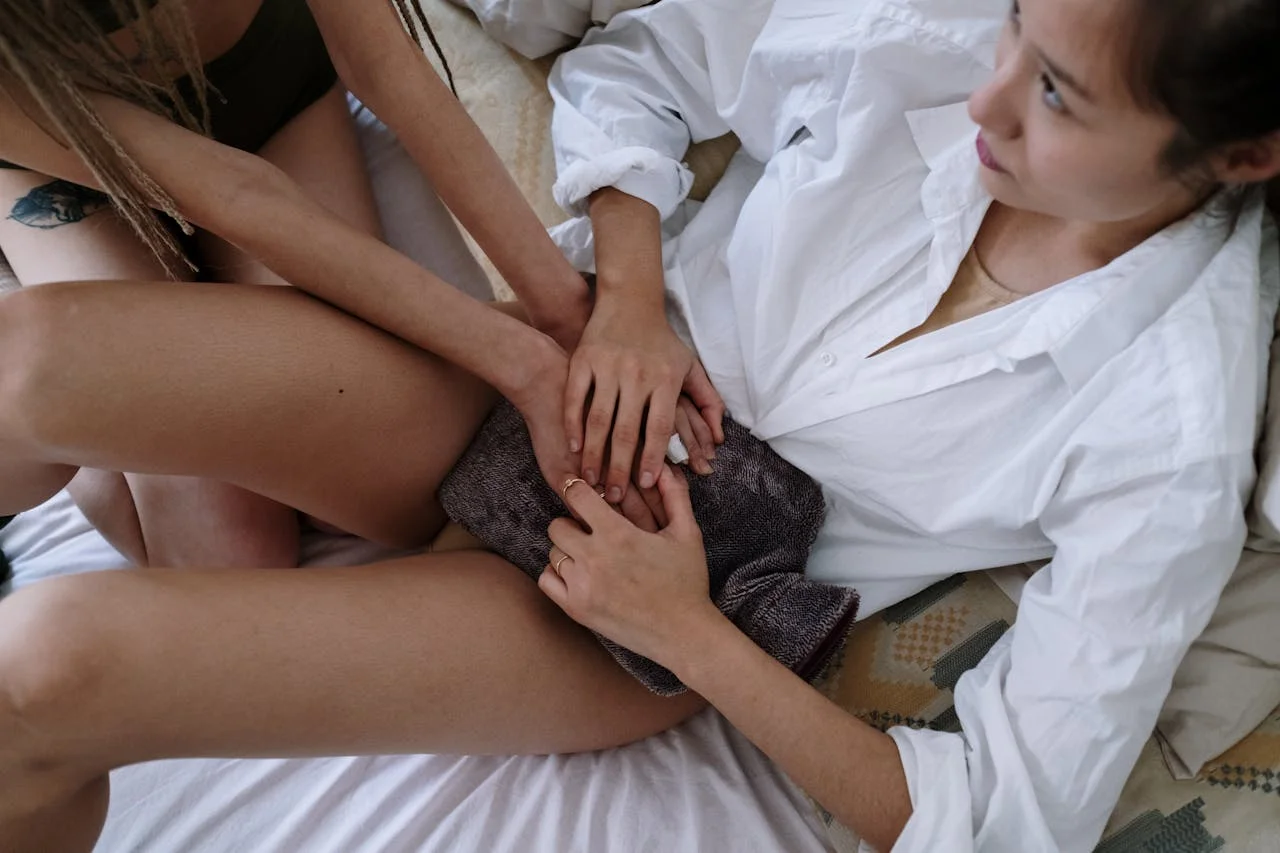
- Heat on the lower abdomen, for example a hot water bottle or a warm cherry pit pouch
- Changing positions instead of lying still, short walks around the home if it feels comfortable
- Emptying the bladder regularly, since a full lower abdomen can increase pressure
- Calm breathing during pain peaks, similar to breathing through period cramps
Ibuprofen, acetaminophen and breastfeeding
Many people need pain relief in the first days, and this is common in the postpartum period. For those who breastfeed, ibuprofen and acetaminophen are commonly used first-line options because only small amounts pass into breast milk and they are widely used in practice. ACOG lists ibuprofen and acetaminophen as typical first-line medications for postpartum pain in people who are breastfeeding. ACOG: Postpartum pain management
If you have specific questions about dosing, preexisting conditions, stomach problems, asthma, clotting issues, or other medications, an individualized assessment is important. The LactMed database describes ibuprofen as a preferred option during breastfeeding because the amounts in breast milk are very low. LactMed: Ibuprofen during breastfeeding
When afterpains no longer seem normal?
The key point is not whether you have pain, but whether the overall picture fits involution. Afterpains are usually wave-like, more central, often triggered by breastfeeding, and improve over time. If the pain becomes more intense, is constant, or is accompanied by other warning signs, it is less likely to be normal afterpains.
Warning signs you should have checked promptly
- Fever, chills, or a pronounced feeling of being unwell
- Foul-smelling lochia or increasing tenderness of the uterus to touch
- Pain that gets stronger day by day instead of lessening
- Heavy bleeding, large clots, or a sudden marked increase in bleeding after previous improvement
- One-sided, sharp pain that does not come and go in waves
- Severe pain when passing urine, blood in the urine, or difficulty emptying the bladder
Think about bleeding and lower abdominal pain together
Sometimes the issue is not the cramp itself but a combination of increasing bleeding, bad odour, and lower abdominal pain. This can indicate an infection or other causes and should be medically evaluated. The RCOG also outlines warning signs for increasing bleeding in the postpartum period. RCOG: Heavy bleeding after birth, warning signs
Common confusions
Afterpains are not the only cause of lower abdominal pain after birth. Especially in the first weeks many things can feel similar. Sorting by patterns can help.
Digestion and the pelvic floor
Constipation, gas, and an irritated pelvic floor can cause pressure and cramps that feel like uterine pain. If the pain is more related to eating, bowel movements, or gas, that can be a clue.
Urinary tract
Irritation, infection, or problems emptying the bladder completely can cause lower abdominal pain and should be taken seriously, especially if burning, frequent urge, or fever are present.
Birth injuries
Pain from a perineal tear or sutures is located more at the vaginal opening or perineum and gets worse when sitting, standing up, or using the toilet, whereas afterpains are usually described as deeper lower abdominal cramps. Both can occur at the same time.
Practical plan for daily life in the postpartum period
Many cope better if they do not reassess every pain. A simple, repeatable plan can help, especially during nights with frequent breastfeeding.
- Have heat ready before you lie down
- Drink and empty your bladder before you lie down for a longer period
- Take pain medication before the pain is at its worst, following the recommendation you were given
- Choose a breastfeeding position that relieves pressure on the lower abdomen and back
- If you are unsure, keep a record of timing, intensity, and accompanying symptoms
If you feel you cannot sleep because of the pain, cannot breastfeed, or are afraid of each new wave, that is a good reason to seek help. It's not about enduring; it's about ensuring a safe recovery.
Conclusion
Afterpains are a common sign that the uterus is working and involuting after birth. They are often strongest in the first days and can be more noticeable during breastfeeding. If the overall course improves, this is more consistent with normal afterpains. If pain increases or warning signs such as fever, foul odour, or heavier bleeding appear, these should be evaluated promptly by a clinician.
Read more
If you want to understand the postpartum period as a whole, these articles fit especially well.