Latex-free or latex: burning after condom use, what is normal and what is a warning sign?
Burning or itching after condom use is common. Usually it is linked to friction, lubrication, additives, or an existing irritation. A true latex allergy is less frequent. This article helps you sort the causes and run through a clear stepwise check.

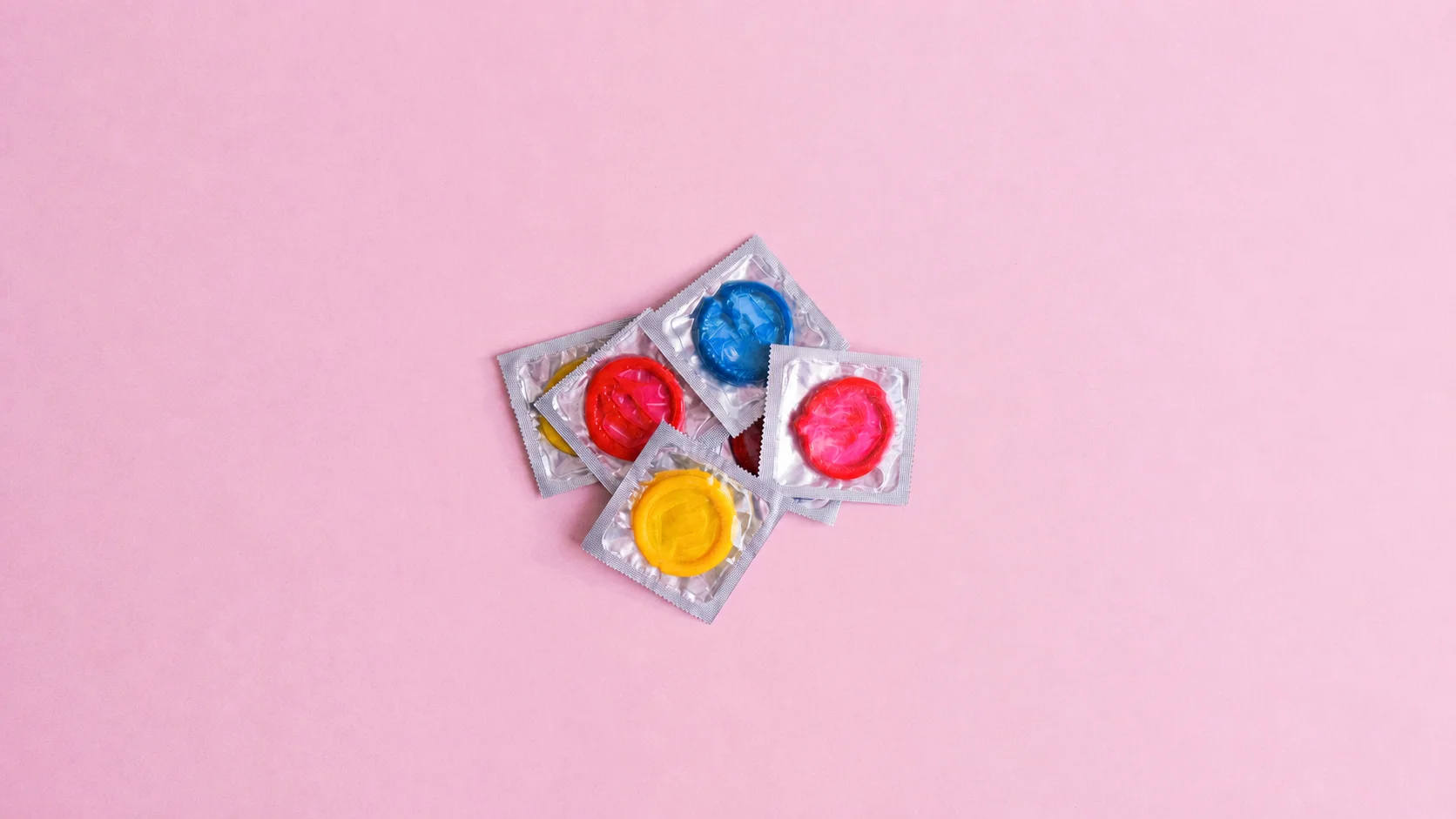
What latex-free really means?
In everyday use, latex-free mainly refers to the condom material. Latex-free condoms are a practical option when latex intolerance is suspected or symptoms continue despite other adjustments.
Many people expect immediate improvement. That is often not the case, because the core trigger is often not the material itself but friction, dryness, additives, or pre-existing mucosal sensitivity.
The German S2k guideline on non-hormonal contraception mentions non-latex condoms as an option for latex allergy, especially polyisoprene and polyurethane. AWMF guideline: Non-hormonal contraception
What causes are most common?
In practice, the frequent triggers are:
- Friction because there is not enough lubrication.
- Long or very intensive activity without breaks.
- Fit issues: condom too tight or too loose. See Fit and correct condom size.
- Additives in condoms, packaging, or lubricants.
- Existing mucosal sensitivity due to dryness, infection, or skin reactions.
These often occur together. Looking at only one factor can push your conclusion in the wrong direction.
Latex allergy: rare, but should be taken seriously
A real latex allergy is possible, but is less common than irritation patterns linked to friction or irritants. Typical signs are recurring itch, redness, burning after latex contact, or swelling soon after exposure.
The reaction can be local or, in rare cases, systemic. In those cases a structured allergy workup is important rather than switching products without direction.
The German Allergy Information Service outlines typical reaction patterns and distinguishes immediate from delayed-type reactions. Allergy Information Service: Latex allergy
Lubrication: a major lever, often the deciding one
Good lubrication is often one of the strongest first steps, usually more useful than a sudden material change.
Try this practical sequence:
- Use a simple water-based product with no fragrance.
- No strong flavours, no warming effect, no extra “chemistry-feel” effects.
- Do not swap product classes several times in one week.
- Reduce spermicide use if symptoms appear sensitive.
Additives that feel pleasant at first may, for many people, trigger irritation over time instead of helping.
Hygiene: not everything that sounds clean is helpful
Over-hygiene is often an underestimated contributor. Harsh soaps, intimate washes, douching, and frequent disinfecting can weaken the mucosal barrier.
In many cases, less is more: wash gently with water, avoid rubbing, avoid rinsing afterwards, and avoid perfume in the intimate area.
If symptoms remain after that, it is a strong signal that the root cause is not cleanliness alone.
Check for infection before changing material
If burning is accompanied by unusual discharge, odour, pain during urination, fever, or lower abdominal pain, first assess infection. Infections such as chlamydia are especially important in this context.
An infection is not neutralised by condom use, and can increase symptoms because mucosa is already sensitive.
In that situation, the focus is the underlying condition, not only the choice of material.
Latex-free materials in real life: what actually matters
Polyisoprene and polyurethane behave differently in real life. The best outcome depends less on the label than on size, lubrication, fit, and application technique.
- Polyisoprene often feels more like latex and is often easier for comfort.
- Polyurethane is often thin and thermally comfortable, but less elastic, so correct size and use matter more.
In every case, effective protection depends on correct use and full deployment, not only on the material label. CDC: Primary prevention methods (condom use)
Practical 14-day test plan: how to get clear patterns
A structured plan changes intuition into usable information. Reserve two weeks:
- Week 1: one stable context, one neutral product, no switching of lubricant, brand, or condom.
- Week 2: change only one variable, for example lubricant or material, not both.
- Track date, product, duration, companion symptoms, discharge, smell, severity, and when during the session symptoms appeared.
- If symptoms shift consistently with one variable, that variable is likely meaningful.
- If symptoms stay unchanged regardless of variables or warning signs appear, seek medical assessment.
Goal is not perfect experimentation but visible patterns and less guesswork.
What to do if this article still leaves you uncertain?
Usually the next step is not another product purchase, but a clear consultation with health professionals.
Prepare a short log with:
- timing details (when, how often, severity),
- exact product names (condom material, package, lubricant),
- associated symptoms (discharge, odour, pain, itching),
- specific prevention priorities, including pregnancy or STI prevention.
This often saves time at clinics and makes assessment much more targeted.
Myths and facts: common misunderstandings in condom use and irritation
- Myth: Latex-free is automatically the best solution. Fact: It is often one step in a broader cause assessment.
- Myth: If burning happens, you should stop sexual activity altogether. Fact: Without warning signs, this is not always necessary and depends on your situation.
- Myth: Every bad experience is an allergy. Fact: Friction, lubrication, or local irritation are common causes.
- Myth: More lubricant always solves burning. Fact: Not with every class of products, especially fragranced or effect products.
- Myth: One mild episode is never meaningful. Fact: Repeating patterns over several weeks are clinically meaningful.
When to seek medical assessment?
Do not delay if one of these patterns appears repeatedly or clearly:
- Burning for several days despite stable products.
- Pronounced redness, swelling, welts, or breathing trouble.
- New or unusual discharge, traces of blood, pain when urinating.
- Fever or pelvic discomfort together with local symptoms.
A structured assessment is usually more efficient than weeks of unmanaged self-testing.
Conclusion
Burning after condom use is not automatically alarming but is often a manageable and understandable irritation pattern. In many cases, friction, lubrication, fit, or baseline sensitivity are more important than the material label. Latex-free is appropriate when there is a clear latex issue, but it does not replace a structured cause assessment. With a test plan, careful observation, and clear medical thresholds, you usually get orientation much faster.
More reading
If irritation after condom use remains, these posts support your assessment of material, technique, and medical follow-up.