HIV in Everyday Life: What Really Matters After a Diagnosis in Canada
This article is for people living with HIV after diagnosis in Canada and looks at what really matters in daily life, relationships, work, travel, and self-image. For the basics on transmission, symptoms, and testing, start with the companion article HIV.

What this article covers?
For many people, the first reaction to a diagnosis is not the virus itself, but fear of what daily life will look like. This article starts there: not with the basics of HIV, but with how to stay steady, keep perspective, and turn the diagnosis into something manageable.
If you want to read again how HIV is transmitted, which symptoms can occur, and how tests should be interpreted, the companion article HIV is the right place to start. Here, the focus is deliberately on living with the diagnosis.
Treatment, follow-up, and consistency
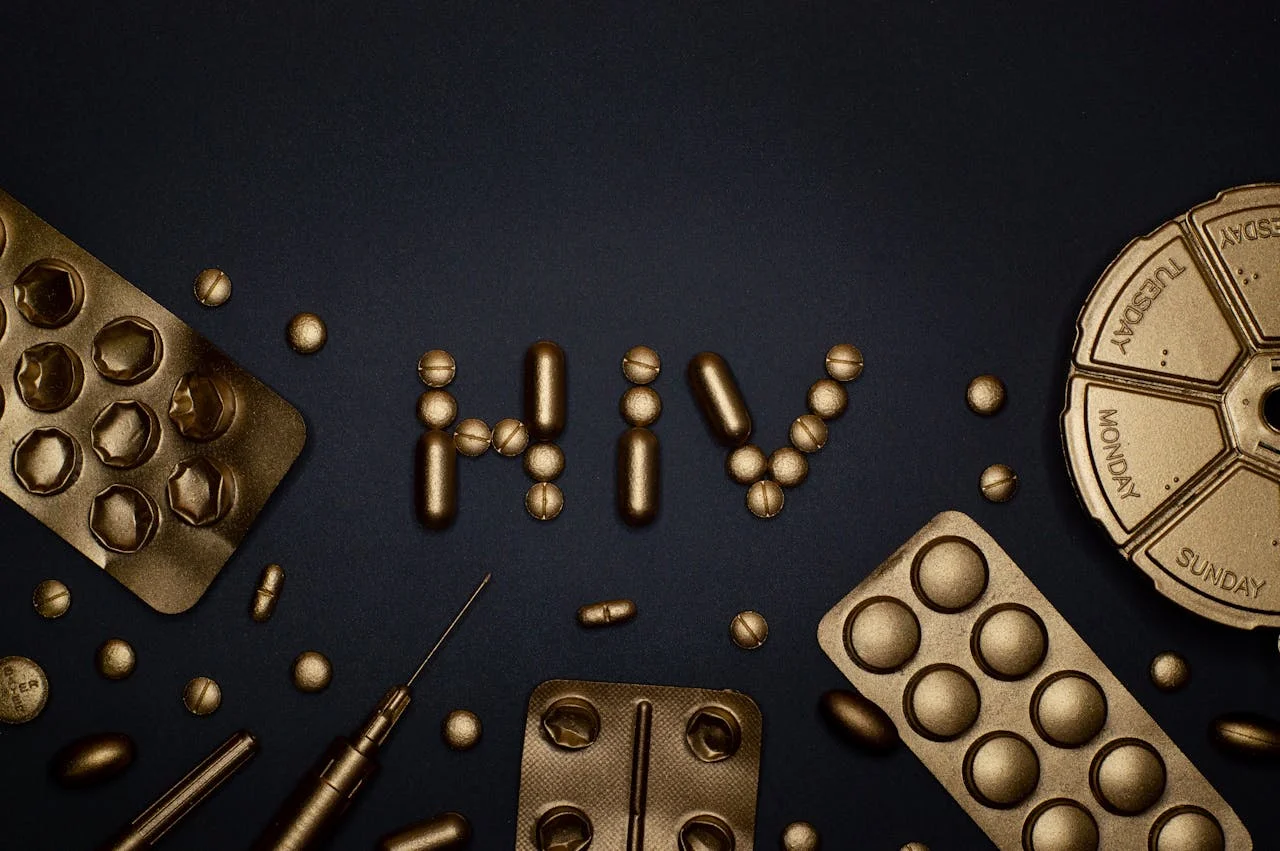
The biggest day-to-day anchor is antiretroviral therapy, or ART. It only works well when it is taken regularly and monitored medically. That sounds simple, but it is exactly why many people with HIV can now live in a predictable way. In Canada, that often means keeping your family doctor or a sexual health clinic in the loop and checking Health Canada guidance when you need it. HIV.gov: HIV Treatment Overview
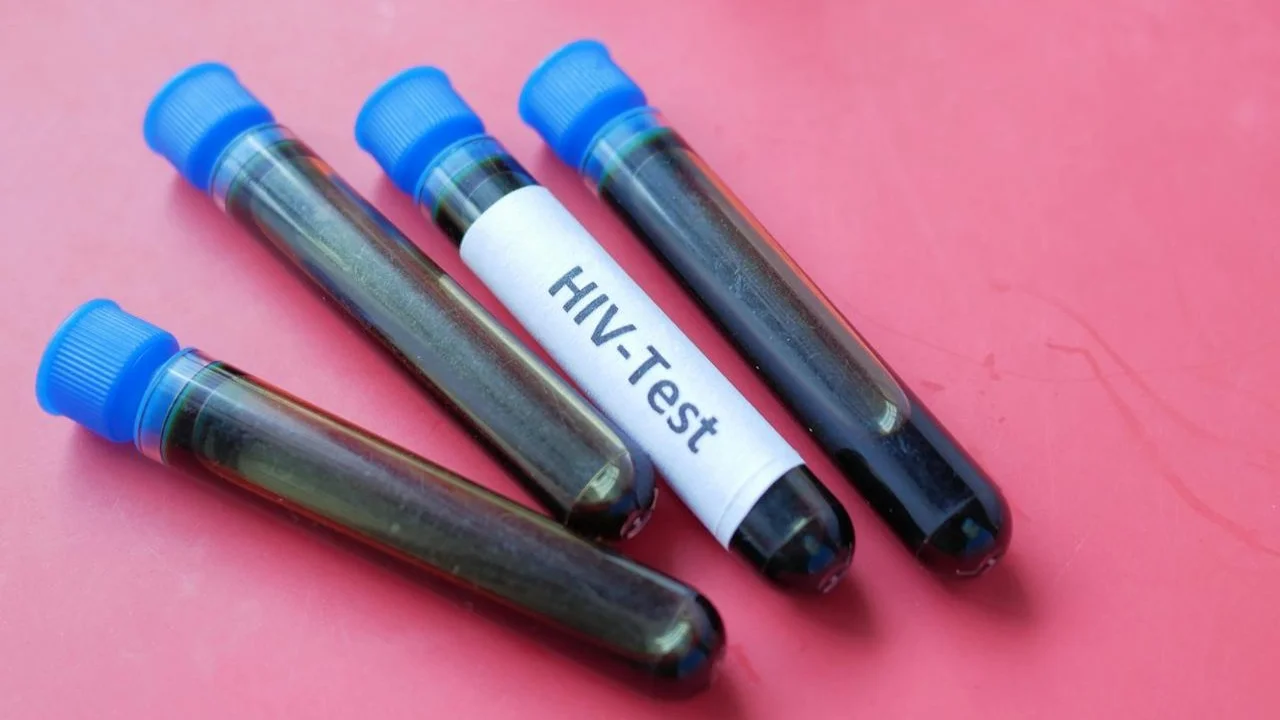
Check-ups are part of regular care, not a sign of weakness. They help keep an eye on viral load and immune status, catch side effects early, and adjust treatment properly. If you keep appointments and medication organised, everyday life usually feels steadier rather than more stressful.
Perfection is not the goal. The goal is a routine that works in real life, not just on paper.
Relationships, sex, and disclosure
In everyday life, HIV often shows up first as a relationship question. When do I tell someone? What does it mean for sex? How do I deal with a partner's fear or uncertainty? There is no one-size-fits-all answer, but a sensible frame helps: clear information, honest language, and no rushed judgments.
When viral load stays undetectable under effective treatment, HIV is not passed on sexually. That is the key point for many couples, because it moves the issue from fear to a medically measurable reality. HIV.gov: Viral suppression
Disclosure does not mean you have to tell everyone everything. It means speaking to the people directly affected by your situation, and not letting shame or panic lead the conversation.
For practical next steps, see also the articles on HIV self-test, PrEP for HIV, and PEP after possible HIV exposure.
Work, family, travel, and privacy
HIV does not automatically affect your workplace or your whole family. Many people are very deliberate about who they tell and who they do not. That is not hiding; it is a normal way of protecting privacy and deciding who actually needs to know.
The important thing is not to let fear push you into social isolation. Not every contact has to become a major conversation. Often it is enough to talk through the medical situation with a small circle of trusted people or a counselling service, then keep the rest of life moving normally.
Travel and longer days away from home can still work as long as medication, refills, and appointments are planned ahead. People who prepare usually travel with less stress than people who have to improvise at the last minute.
When fear, shame, or exhaustion sets in?
A diagnosis can be emotionally heavy. Many people deal with shame, constant overthinking, or the urge to monitor themselves all the time. That is understandable, but it is not a good long-term state. Life gets easier when the diagnosis is not left to sit in your head alone.
Helpful things include fixed routines, reliable support, a manageable social circle, and a realistic plan for questions. People who try to carry everything alone often wear themselves out faster than they need to. Sometimes one conversation with the care team, a counselling service, or a trusted person who listens without judging is already a relief.
Stigma, low mood, and social barriers can make treatment harder. That is why support is not a luxury, but part of good care. PubMed: Health disparities in HIV care and strategies for improving equitable access to care
What helps day to day?
The best solutions are often not dramatic, but simple: a reminder for doses, calendar appointments, a fixed place for documents, and a plan for questions about risks or side effects. Those everyday details are what make the difference between constant stress and some real calm.
- Take medicine at roughly the same time each day
- Keep follow-up appointments and lab results on your radar
- When a new risk happens, do not spiral; test sensibly instead
- Speak clearly with partners and care staff instead of guessing
- Do not forget about other STIs, because HIV is only part of the picture
- Plan for medicine, refills, and contacts when you travel
- Write down side effects right away instead of hoping you will remember later
If you are unsure what the next step is after new symptoms or a new risk, start with the general overview of HIV and then look at the specific risk. For practical protection questions, the right follow-up reads are HIV self-test, PrEP for HIV, and PEP after possible HIV exposure.
What tends to make things harder?
In daily life, the biggest problems often do not come from the diagnosis itself, but from bad habits around it. Catching these patterns early can save a lot of stress.
- Putting doses off until the routine becomes messy
- Keeping side effects or worries to yourself for too long
- Reading a new forum opinion every day instead of using one trusted source
- Hiding the diagnosis completely and cutting yourself off from other people
- Treating every small doubt like an emergency when a calm next step is enough
Myths and facts about day to day living
In everyday life, old assumptions often cause more trouble than the medical facts themselves. A short correction helps.
- Myth: You cannot work normally with HIV. Fact: With treatment and a steady routine, work is often very possible.
- Myth: You have to tell everyone. Fact: You decide who hears about it, and when.
- Myth: Every symptom means something serious. Fact: Symptoms are often vague and can be explained by stress or other causes.
- Myth: A good life with HIV is only possible for a few people. Fact: Good treatment and good support make a huge difference in daily life.
- Myth: U=U is just a slogan. Fact: When viral load stays suppressed, HIV is not passed on sexually.
- Myth: A positive result means you have to rebuild your whole life. Fact: More often, it is about structure, reliability, and support than about a completely new life.
Conclusion
Living with HIV today is mainly about keeping treatment reliable, reading information correctly, and not letting fear run relationships. When you turn the diagnosis into a routine, you gain far more stability than if you keep pushing it away or dramatise it. The medical basics belong in the companion article HIV; the day-to-day part after diagnosis belongs here.
Read more
If you want to move back to the medical basics or over to the practical protection topics, these are the most useful next reads.