
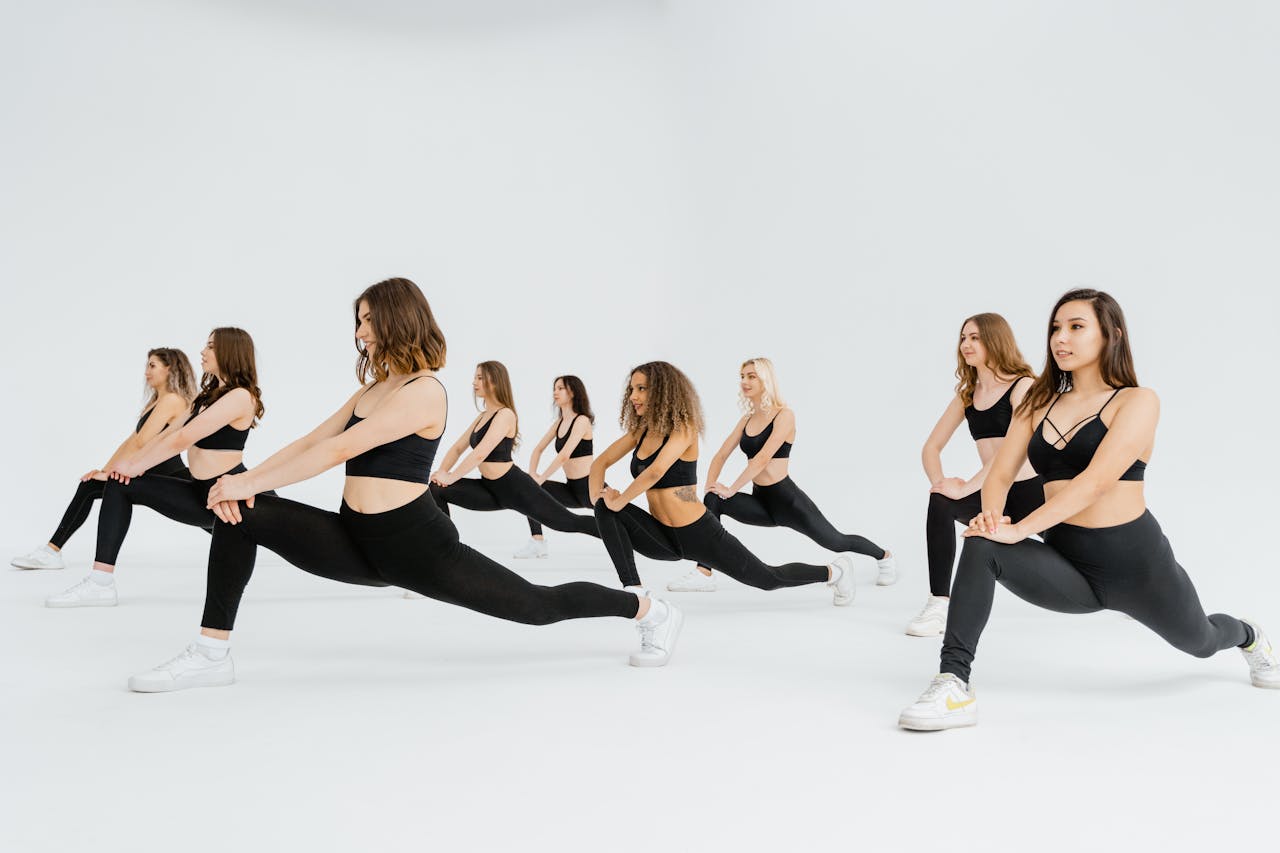
What the pelvic floor has to do after childbirth?
The pelvic floor is a layer of muscle and connective tissue at the base of the pelvis. It supports the bladder, uterus and bowel, helps maintain continence, and plays a role in sexual function and core stability.
Pregnancy and childbirth strain this system from above and below at the same time. Muscles can be overstretched, nerves irritated and tissues swollen. For that reason, feelings of pressure, weakness or an unsteady sense of the body after birth are not automatically signs of permanent damage.
Common symptoms after childbirth
Many complaints in the first weeks are mainly signs of healing, swelling and fatigue. What matters is the course over time: does it improve step by step, stay the same, worsen, or do new symptoms appear?
Pressure and heaviness downward
A feeling of pressure, as if everything is being pulled downward, can occur after childbirth. It is often worse after long periods of standing, carrying, or toward the end of the day. Sometimes there is also a foreign-body sensation in the vagina.
Urine leakage or urgency
Many experience stress incontinence, meaning urine leakage when coughing, sneezing, laughing or jumping. Others have urgency, the sudden need to get to the toilet. Both are common and treatable.
Pain, scar pulling, and sex
Pain can come from healing, dryness, scar tissue, muscle tension or overload. It is important not to push through pain and not to return too early to activities that trigger it every time.
Difficulty holding stool or gas
Problems holding gas or stool should be taken especially seriously, even if it is uncomfortable to talk about. Early help is worthwhile because targeted therapy can make a big difference.
What can be normal in the first weeks and what is more concerning?
Immediately after childbirth the pelvic floor is temporarily less resilient for many people. Swelling, wound healing and sleep loss change sensation and control. This is a phase where doing less is often more.
More typical in the first weeks
- Mild downward pressure, especially in the evening
- Urine loss with coughing or sneezing that gradually becomes less frequent
- Difficulty sensing the pelvic floor muscles
- Pain or pulling around scars that slowly decreases
More reason for assessment
- Noticeable foreign-body sensation or a visible bulge in the vagina
- Loss of stool or inability to hold gas
- Urine leakage that does not improve after weeks or significantly limits you
- Severe pain, fever, or rapid worsening
Recovery: helpful, but no quick fix
Postpartum recovery is not a repair completed in a few sessions. It is the starting point for coordination, strength, relaxation and load management. Some people feel quick progress, others need longer, especially after a complicated birth, a longer recovery period or when several complaints are present at once.
Quality matters. The pelvic floor must not only be able to contract, but also to relax again. And it must work during everyday activities, not only when lying down.
There is good evidence that pelvic floor training can help, especially for incontinence. A Cochrane review describes pelvic floor muscle training as a common and effective intervention to prevent and treat incontinence around pregnancy and after birth. Cochrane review in PMC: Pelvic floor muscle training
When physical therapy is helpful?
Physical therapy is especially useful when you want more than general postpartum exercises, if you have a specific problem or if you are not making progress. The main advantage is a proper assessment of coordination, strength, relaxation, breathing, abdominal wall, scars and everyday loading.
Common reasons for specialized pelvic floor physical therapy
- Incontinence that has not clearly improved after a few weeks
- Marked pressure or suspicion of prolapse
- Pain, scar pulling or pain during sex
- Problems with bowel control, inability to hold gas or stool
- Feeling that you cannot activate the pelvic floor or that you only ever tighten it
- Returning to sport and getting symptoms during activity
NICE recommends pelvic floor training as a central measure to prevent and treat pelvic floor dysfunction and emphasises that long-term training can be beneficial. NICE: Pelvic floor dysfunction recommendations
What good physical therapy looks like?
At the start there is usually a conversation and an assessment: birth, pain, bladder, bowel, sex, sport and daily life. Then the therapist checks breathing, the abdominal wall, posture, scars and the ability to contract and relax the pelvic floor. Good treatment is not just standard exercises, but guidance, load management and a plan that fits your daily life. Studies on guided pelvic floor therapy with biofeedback show measurable benefits over simple home training for postpartum stress incontinence. Study on biofeedback and PFMT after birth
- Understanding which symptom is currently dominant
- Learning to notice when tightening and when letting go is useful
- Practising breathing and pressure management in everyday situations
- Building load for walking, lifting, sport and sex step by step
- Adjusting exercises when needed instead of simply doing more of the same
In some cases digital support can be an add-on, but it does not fully replace the first in-person assessment.
Prolapse: what it is and how it may feel
A prolapse means that organs in the pelvis shift more downward, for example the bladder, uterus or bowel. This is not always dramatic. Many people have mild forms and mainly symptoms that come and go.
Typical signs
- Pressure, heaviness, or pulling downward
- Foreign-body sensation in the vagina
- Symptoms worse after long standing, carrying, or toward the end of the day
- Sometimes problems with passing urine or stool
Conservative measures such as pelvic floor training, load adjustment and, when needed, a pessary can often improve symptoms. Review of pelvic floor training for prolapse. If you notice a palpable or visible bulge, it should be assessed by a doctor or a physiotherapist.
Everyday life and load: why less is sometimes more
Many complaints are not caused by too little exercise, but by too much downward pressure and too rapid progression. Carrying, prolonged standing, early jogging, jumping or intense abdominal training can increase downward pressure.
Practical principles that often help
- Increase load like climbing stairs, not like a jump
- Use symptoms as feedback, do not ignore them
- Where possible, support coughing and sneezing with a stable stance
- Avoid constipation because straining puts a lot of pressure on the pelvic floor
The return to sport should be gradual. That fits current recommendations that use symptom screening and graded load progression in the first year after birth. Delphi consensus on exercise in the first year after birth. If new complaints appear after activity, that is not failure, but a sign that the body needs more time or a different sequence.
When you should get assessed promptly?
You do not have to wait until something becomes unbearable. Early assessment often saves months. This is especially true if your daily life is limited or you feel things are getting worse.
Assessment is advisable if
- you cannot hold stool well or gas escapes uncontrollably
- you notice a clear bulge or a strong foreign-body sensation
- you have pain that increases or prevents sleep
- you have problems with urination, for example you cannot empty completely
- you see no clear improvement in incontinence after weeks
Even after a cesarean birth the pelvic floor can cause symptoms because pregnancy and pressure load affect the whole pelvis and trunk. Birth mode alone does not reliably explain complaints.
Read more

Conclusion
The pelvic floor after childbirth is often not weak or broken, but overloaded, irritated and uncertain in coordination. Postpartum recovery is a sensible starting point, but it is not enough for every problem. If pressure, incontinence or prolapse symptoms persist or limit you, specialized physical therapy is not a luxury but a very practical solution.

